Contents
When water damage hits, you need to act fast, but the first steps aren’t always obvious. You can remove visible water, yet hidden moisture may continue spreading into walls, floors, and insulation. Damage repair experts use specialized tools to detect hidden moisture, limit mold growth, and protect structural integrity. They also document losses for insurance and help guide repairs. The real difference often starts with identifying problems before surfaces appear dry.
Key Takeaways
- They stop water damage quickly, reducing further structural harm and repair costs.
- They detect hidden moisture in walls, flooring, and cabinets before it causes bigger problems.
- They use professional equipment to remove water and dry affected areas thoroughly.
- They help prevent mold by repairing damage fast and lowering indoor humidity.
- They document damage and repairs, supporting insurance claims and restoration planning.
What to Do First After Water Damage
If your home has water damage, act fast to limit further harm and protect your safety. First, stop the source if you can, then cut electricity to affected areas only when it’s safe.
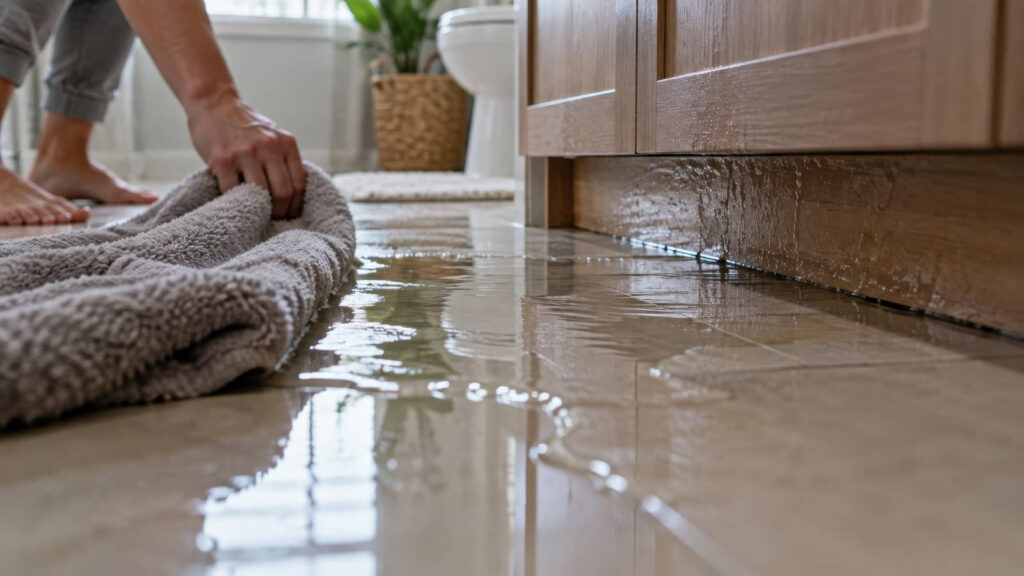
Next, move people, pets, and valuables away from wet zones, and document the damage for your insurance claim. Your emergency response should include opening windows for airflow and using fans only if no standing water can reach outlets.
Take basic safety precautions: wear boots, gloves, and a mask if debris or contaminants are present. Remove light furnishings from damp flooring, and blot, don’t scrub, surfaces.
Stay with your household, follow local guidance, and call water damage repair experts when conditions feel unstable. You’re not handling this alone; trained help keeps your space safer and recovery on track.
What Water Damage Experts Can Spot
Water damage experts can spot problems that aren’t obvious at first glance, including hidden moisture inside wall cavities, under flooring, and behind cabinets.
You get a trained assessment that checks structural materials, insulation, trim, and subfloors for hidden issues before they spread. They use moisture meters, thermal imaging, and inspection techniques to identify areas you might miss, helping you understand the full scope of damage.
That matters because water can weaken framing, swell drywall, and leave long term effects that don’t show up right away.
With a pro on your side, you’re not guessing—you’re making informed decisions with your home’s recovery team. This careful process helps you protect your space, reduce surprises, and feel confident that nothing important gets overlooked.
How Water Damage Repair Stops Mold
After water damage, fast repair helps stop mold before it takes hold by removing moisture and drying affected materials thoroughly. You protect your home by having damaged surfaces inspected, cleaned, and restored before spores can spread.
Technicians identify hidden damp spots in walls, subfloors, and insulation, then use targeted drying to lower humidity and limit growth. This process supports mold prevention and helps keep your air quality healthier for everyone inside.
You also reduce the chance of musty odors, staining, and structural deterioration when you act quickly. With expert care, you’re not handling the problem alone; you’re joining a team that knows how to restore safe, dry living spaces and help your household feel comfortable again.
Why Flood Cleanup Needs Professional Equipment
Flood cleanup needs professional equipment because standard household tools can’t remove all standing water, hidden moisture, and contamination quickly enough.
You need high-capacity extractors, air movers, dehumidifiers, and moisture meters to protect your home and speed up flood restoration. These professional tools reach under flooring, inside wall cavities, and into porous materials where dampness lingers and bacteria grow.
With the right equipment, you reduce structural swelling, prevent odor, and keep repairs on track. You also gain a clearer plan, since experts can measure drying progress and adjust treatment fast.
That means you’re not guessing or wasting time with weak results. Instead, you’re working with a team that helps your space dry safely, thoroughly, and with confidence.
How Experts Fix Roof Leak Damage
When a roof leak causes damage, experts start by tracing the source of the intrusion. Then they remove compromised materials, dry affected areas, and repair any structural or insulation issues.
You’ll usually see them use leak detection tools to pinpoint hidden entry points around flashing, vents, and seams. After that, they assess the extent of moisture in the decking, attic, and drywall, so nothing gets missed.
They replace damaged roofing materials with compatible products, seal gaps, and restore ventilation to prevent future condensation. You can count on them to document each step and coordinate cleanup with the rest of your team, which helps you feel informed and included.
Their process protects your home’s structure, reduces mold risk, and gets your roof back to dependable condition.
Frequently Asked Questions
How Long Does Water Damage Repair Usually Take?
Water damage repair usually takes three days to several weeks, depending on severity. You’ll need drying techniques, mold remediation, inspections, and repairs; our team guides you through each step so you’re supported.
Will My Insurance Cover Professional Water Damage Repairs?
Usually yes, if you carry water damage insurance and the cause is covered. You’ll still need to check coverage limits, deductibles, and exclusions. Your adjuster can confirm what your policy pays for.
Can I Stay Home During the Repair Process?
You can sometimes stay home, but 1 in 50 homes files water-damage claims yearly. You’ll need to manage safety concerns, and your repair process may involve noise, drying equipment, and limited access.
How Much Does Hiring Water Damage Experts Cost?
Hiring water damage experts usually costs $1,500 to $5,000, depending on cost factors like damage severity and service types. You’ll get clear estimates, skilled cleanup, and a team that helps you feel supported throughout recovery.
Do Water Damage Repairs Include Replacing Flooring?
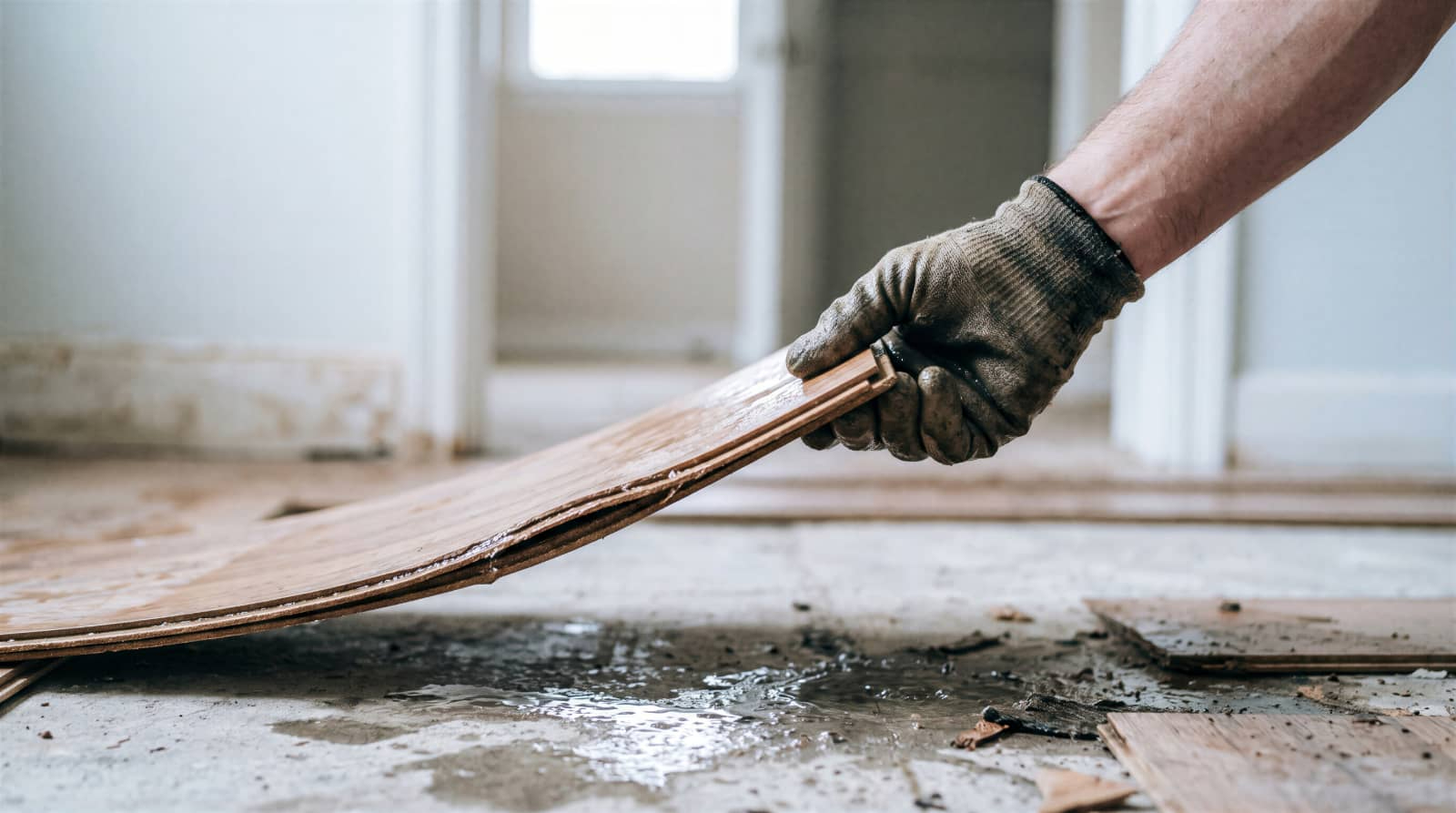
Yes, you’ll often need flooring replacement after water damage, depending on moisture levels and material type. You can choose flooring options during restoration, and experts use restoration methods to save what’s salvageable and protect your home.
Final Thoughts
When water damage hits, you need to act fast. You’ll shut off the source, then call experts who can see the hidden wet spots you can’t. With thermal tools, moisture meters, and industrial dryers, they clear out trapped water before mold takes root. If a roof leak has left stains or sagging boards, they’ll restore the structure and document everything for your claim. You get a dry, steady home again—safe, sound, and ready to breathe.