Contents
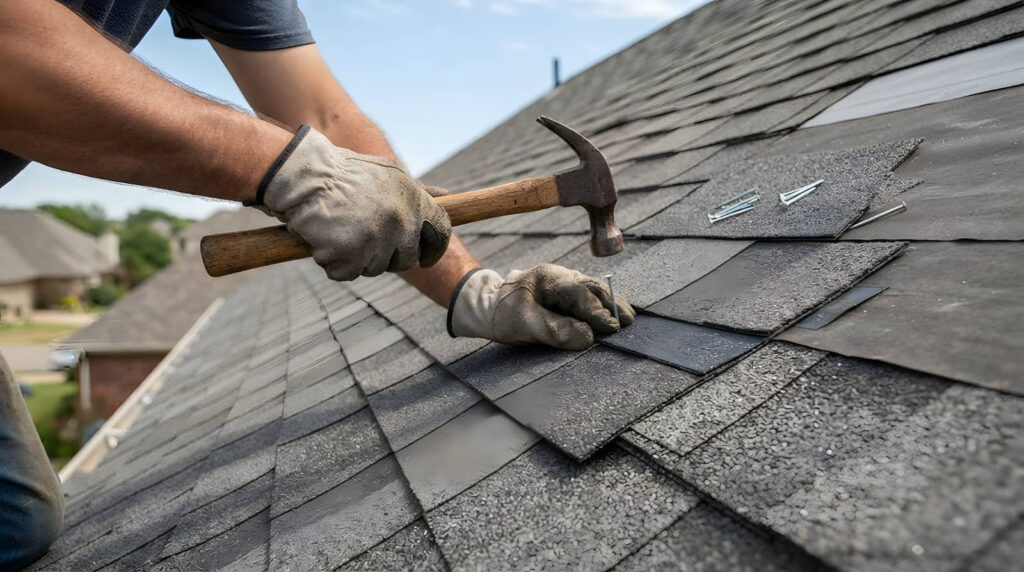
Many homeowners underestimate the impact pests can have on roofing structures. Termites and rodents, for instance, can silently weaken your roof, leading to significant damage and safety hazards. When you’re repairing your roof, addressing these pest issues simultaneously is essential. It not only protects your investment but also enhances your home’s overall safety. Learn how integrating pest control with your roofing project can save you money and prevent future complications.
Key Takeaways
- Implementing pest control during roof repairs prevents future infestations that could compromise roof integrity and overall home structure.
- Addressing pest issues upfront reduces long-term maintenance costs and protects your investment in roof repairs.
- Pest control ensures a healthy living environment, minimizing health risks associated with infestations.
- Regular inspections and preventive measures enhance roof durability and functionality, extending its lifespan.
- Collaborating with pest control professionals during repairs fosters comprehensive strategies for ongoing pest management.
Understanding the Importance of Pest Control in Roof Repairs
When you’re planning roof repairs, it’s essential to evaluate pest control, as ignoring this aspect can lead to more significant problems down the line. Understanding pest behavior is vital; pests can compromise your roof’s integrity, leading to costly repairs.
For instance, termites and rodents often seek shelter in hidden spaces of your roof, causing structural damage that isn’t immediately visible.
By addressing pest control during your repair process, you not only safeguard your investment but also maintain a healthy living environment. Implementing preventive measures, like sealing entry points and using pest repellents, can deter infestations and reduce long-term maintenance costs.
Moreover, a pest-free space enhances your roof’s durability and functionality. Prioritizing pest control isn’t just about immediate fixes—it’s about fostering a secure and stable home for you and your family.
Make informed choices to protect both your roof and your peace of mind.
Common Pests Found in Roof Spaces
Your roof can be a haven for various pests, each posing unique threats to its structure and your home. Identifying these common roof pests early on is vital to maintaining a safe living environment.
Here are some of the most frequent invaders you might encounter:
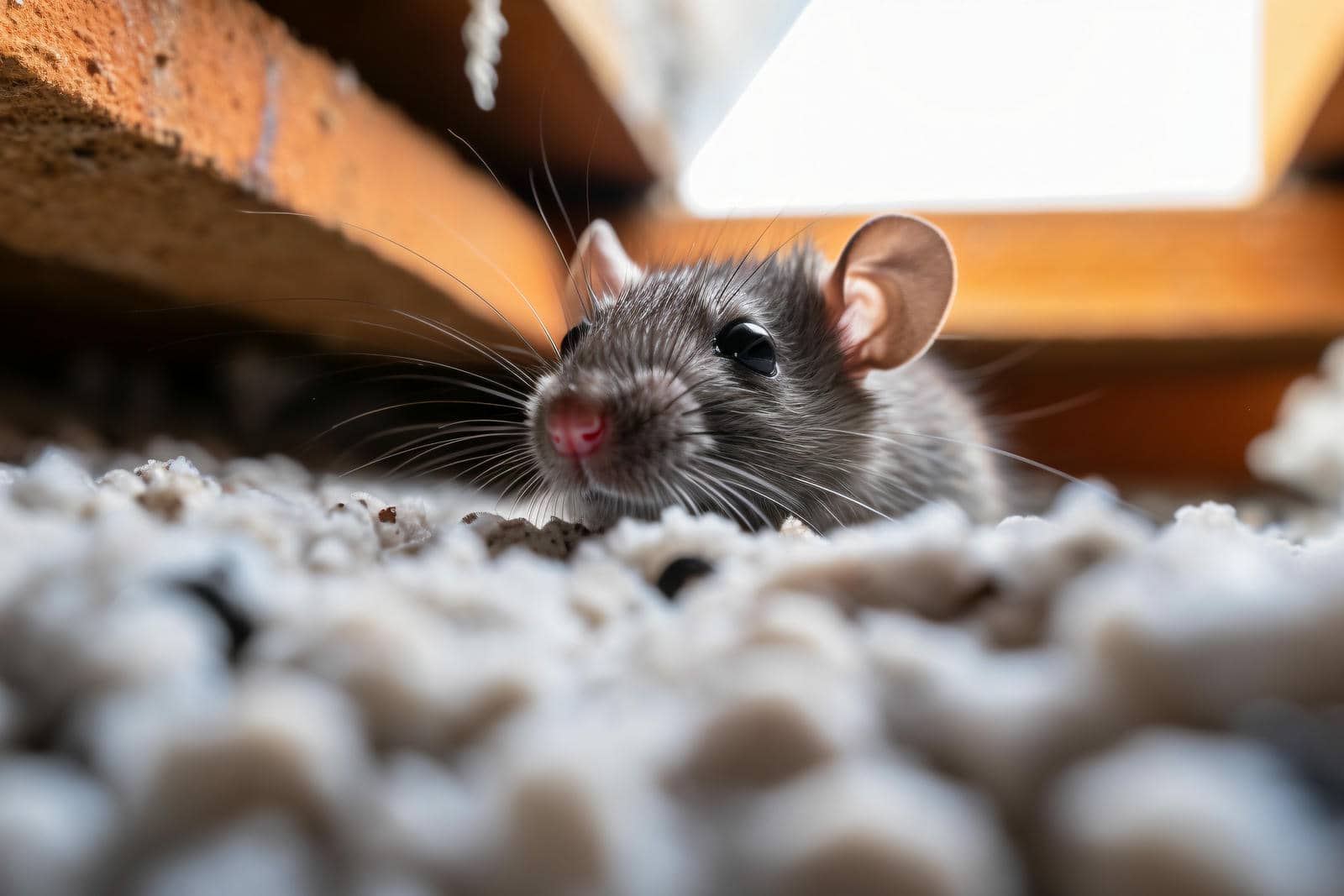
Rats and Mice: They can gnaw through insulation and wiring, causing significant damage.
Termites: These wood-destroying insects can compromise the integrity of your roof and home structure.
Wasps and Bees: Their nests can obstruct ventilation and pose safety risks.
Utilizing pest identification methods, like checking for droppings or damage, helps you recognize these threats before they escalate.
Regular inspections and timely action can safeguard your roof and guarantee a pest-free environment.
Signs of Pest Infestation During Roof Repairs
During roof repairs, several signs can indicate a pest infestation that requires immediate attention. Look for droppings, which can be a clear indicator of rodent or insect activity.
You might also notice gnaw marks on wood or insulation, suggesting that pests are actively damaging your roof structure. Additionally, if you spot nests or webs, it’s vital to act quickly, as these are signs of established colonies.
To effectively identify these issues, utilize pest detection methods like visual inspections and monitoring traps during your roof inspection techniques.
Pay close attention to areas around vents, chimneys, and eaves, as these are common entry points for pests. If you find any of these signs, it’s important to address the infestation before proceeding with repairs to guarantee a secure and pest-free environment.
Taking proactive steps now can save you from more significant problems down the line.
Benefits of Integrating Pest Control With Roof Repairs
Addressing pest issues alongside roof repairs offers several advantages that can enhance both the integrity of your roof and the overall safety of your home. By adopting integrated approaches, you not only tackle current pest problems but also prevent future infestations.
Here are some key benefits:
Improved Structural Integrity: Preventing pests like termites during repairs helps maintain your roof’s structural strength.
Cost Efficiency: Combining pest control with roof repairs saves you from future expenses related to pest damage and separate treatments.
Enhanced Safety: A pest-free environment reduces health risks associated with infestations, ensuring your home remains a safe haven.
Utilizing holistic strategies in your home repair process fosters a sense of belonging, knowing you’re making thorough choices for your living space.
Effective Pest Control Strategies to Implement
When planning roof repairs, implementing effective pest control strategies is crucial to safeguarding your home from infestations. Start by employing pest identification techniques to accurately detect any existing issues. Look for signs like droppings, nests, or damage to wood structures.
Once identified, you can choose appropriate treatment options tailored to the specific pests you’re dealing with. For instance, if you’ve identified termites, baiting systems or insecticidal treatments might be necessary. If rodents are your concern, traps or exclusion methods should be considered.
Additionally, integrating preventative measures—like sealing entry points and maintaining a clean environment—will further deter pests from invading your space. Regular inspections post-repair will also guarantee that your home remains pest-free.
Timing Pest Control Treatments During Roof Repairs
When scheduling roof repairs, timing your pest control treatments is essential to prevent infestations.
Applying treatments before or during repairs can enhance the effectiveness of your work, ensuring pests don’t compromise your newly installed materials.
Preventing Pest Infestation
To effectively prevent pest infestation during roof repairs, it’s crucial to time pest control treatments strategically. Aligning these treatments with roof inspections can greatly reduce the risk of pests taking advantage of the ongoing work.
Consider these key points:
Assess pest life cycles: Treat during vulnerable stages to maximize effectiveness.
Schedule alongside repairs: Implement treatments before and after roof work to guarantee thorough coverage.
Follow-up inspections: Conduct post-repair roof inspections to identify any lingering issues.
Enhancing Repair Effectiveness
Timing pest control treatments during roof repairs can greatly enhance the overall effectiveness of your efforts. By aligning pest management with your chosen repair techniques, you address potential vulnerabilities in real-time.
Understanding pest behavior is vital; certain insects might be more active during specific seasons or after major repairs, making it imperative to treat the area when pests are likely to invade.
For instance, sealing openings without prior pest treatment could inadvertently trap pests inside your newly repaired roof. Implementing pest control concurrently with repairs not only prevents future infestations but also guarantees that your labor and materials aren’t compromised.
Preventative Measures for Future Pest Infestations
Although roof repairs can temporarily alleviate pest issues, implementing preventative measures is essential to guard against future infestations.
By taking proactive steps, you can create a less hospitable environment for pests while enhancing your roof’s longevity.
Install pest barriers: Use materials like mesh or metal flashing to block entry points where pests could invade.
Upgrade roof insulation: Proper insulation not only regulates temperature but also minimizes gaps that pests can exploit.
Maintain landscaping: Keep trees and shrubs trimmed away from your roof, as they can serve as a bridge for pests.
Collaborating With Pest Control Professionals
When tackling roof repairs, collaborating with pest control professionals can greatly enhance your efforts to manage infestations. These experts provide valuable insights that support your roofing project and help guarantee a pest-free environment.
By engaging in pest control collaboration, you’ll benefit from their specialized knowledge regarding the specific pests that may be targeting your home.
Working closely with pest control professionals allows you to implement their professional recommendations during the repair process. They can identify potential entry points and suggest effective measures to deter pests before they become a problem.
Additionally, they’ll advise on how to maintain a pest-resistant structure post-repair, guaranteeing your investment remains protected.
This partnership not only optimizes your roof repairs but also fosters a sense of community, as you join forces with experts committed to preserving your home’s integrity.
Cost Considerations for Pest Control During Roofing Projects
When budgeting for roofing projects, consider the cost of pest control as an essential component.
Investing in pest management now can lead to long-term financial savings by preventing future infestations that could damage your roof and home.
A thorough project budget should account for these preventative measures to guarantee your investment is protected.
Long-term Financial Savings
Investing in pest control during roofing projects can lead to significant long-term financial savings. By ensuring a pest-free environment, you enhance your roof’s longevity and achieve better cost efficiency.
Here’s how:
Prevent Structural Damage: Pests can weaken structural components, leading to costly repairs.
Reduce Future Expenditures: Addressing pest issues upfront avoids repeated treatments and unexpected expenses later.
Increase Property Value: A well-maintained, pest-free roof boosts your home’s overall value.
Incorporating pest control into your roofing project is a smart investment that protects your property and finances.
Preventing Future Infestations
Addressing pest control during your roofing project not only safeguards your investment but also plays an important role in preventing future infestations.
By understanding pest behavior and infestation patterns, you can effectively eliminate potential threats before they escalate. Pests often seek shelter in vulnerable areas, especially during repairs. Implementing pest control measures at this stage minimizes the risk of unwanted tenants in your home.
You’ll not only create a barrier against pests but also disrupt their reproductive cycles, reducing the likelihood of re-infestation. Investing in pest control during roofing projects is a proactive approach that fosters a secure living environment for you and your family.
Don’t overlook this vital step—it’s an investment in the longevity of your home.
Comprehensive Project Budgeting
A well-planned budget for your roofing project should account for pest control costs, as these can greatly impact your overall expenses.
When you consider budget allocation, it’s crucial to include pest control in your cost estimation. Ignoring this aspect can lead to unforeseen expenses down the line.
Here are three key factors to include in your budget:
- Inspection Costs: Initial assessments to identify pest presence.
- Treatment Expenses: Costs for pest control products or services required.
- Follow-Up Services: Ongoing treatments to prevent future infestations.
Long-Term Impacts of Neglecting Pest Control During Repairs
Neglecting pest control during roof repairs can lead to significant long-term consequences that undermine the integrity of your home.
When you overlook this essential step, you’re inadvertently creating an environment that fosters pest resilience. Unprotected areas can become breeding grounds for termites, rodents, and other invasive species, which may cause extensive structural damage over time.
As pests infiltrate, they compromise key elements like rafters and insulation, leading to costly repairs and potential safety hazards.
You risk not only your home’s stability but also its value; future buyers may hesitate if they suspect pest issues.
Frequently Asked Questions
Can Pests Damage the Roofing Materials During Repairs?
Yes, pests can damage roofing materials during repairs. Their behavior often exploits roofing vulnerabilities, leading to structural issues. By addressing pest control proactively, you protect your investment and guarantee the longevity of your roof.
How Do Weather Conditions Affect Pest Control Measures?
Did you know that 75% of pest activity correlates with seasonal variations? Humidity impacts pest behavior, making control measures less effective during wet seasons. You’ll need strategic planning to guarantee your pest management remains robust.
What Types of Roof Designs Are More Susceptible to Pests?
Flat roofs tend to accumulate debris and water, creating ideal habitats for pests. In contrast, pitched roofs can also harbor pests if not properly maintained. Regular inspections help mitigate these vulnerabilities and keep your roof pest-free.
Are There DIY Pest Control Methods During Roof Repairs?
Yes, you can use DIY pest control methods during roof repairs. Consider natural remedies like diatomaceous earth or vinegar, and create homemade traps using simple materials. These techniques effectively deter pests without harsh chemicals, keeping your space safe.
How Can Homeowners Identify Pest Entry Points in Roofs?
To identify pest entry points in roofs, use pest identification techniques like checking for droppings or nests. Combine roof inspection tips, such as examining vents and eaves, to guarantee a thorough assessment of potential vulnerabilities.
To Sum Up
If you think ignoring pest control during roof repairs is a good idea, you might just enjoy a surprise party from termites and rodents down the line. After all, who wouldn’t want to share their home with unwanted guests? Implementing pest control isn’t just smart; it’s essential for protecting your investment and maintaining a safe living environment. So, why not save yourself the headache and tackle those pests head-on while fixing your roof?