Contents
After water damage, pests can appear quickly, so acting early matters. Pest control starts with inspecting entry points, drying wet areas, clearing standing water and damaged materials, and sealing cracks before infestations spread. If the damage is widespread or insects keep returning, a certified pest control pro can identify the source and recommend targeted treatment. Addressing moisture and access points early helps break the cycle before the problem becomes harder to manage.
Key Takeaways
- Inspect for cracks, loose vents, and damaged weatherstripping, and seal openings larger than 1/8 inch.
- Dry wet areas quickly with fans, dehumidifiers, and open windows to reduce pest-attracting moisture.
- Remove standing water and discard soaked drywall, insulation, carpet, and other damaged materials.
- Seal cracks, gaps, and utility openings with caulk, foam, or metal mesh to block re-entry.
- Call a certified pest control professional if pests, frass, gnaw marks, or nesting signs persist.
Inspect Your Home for Pest Entry Points
After water damage, you should inspect your home for pest entry points right away, since moisture can weaken seals and create new gaps around the structure.
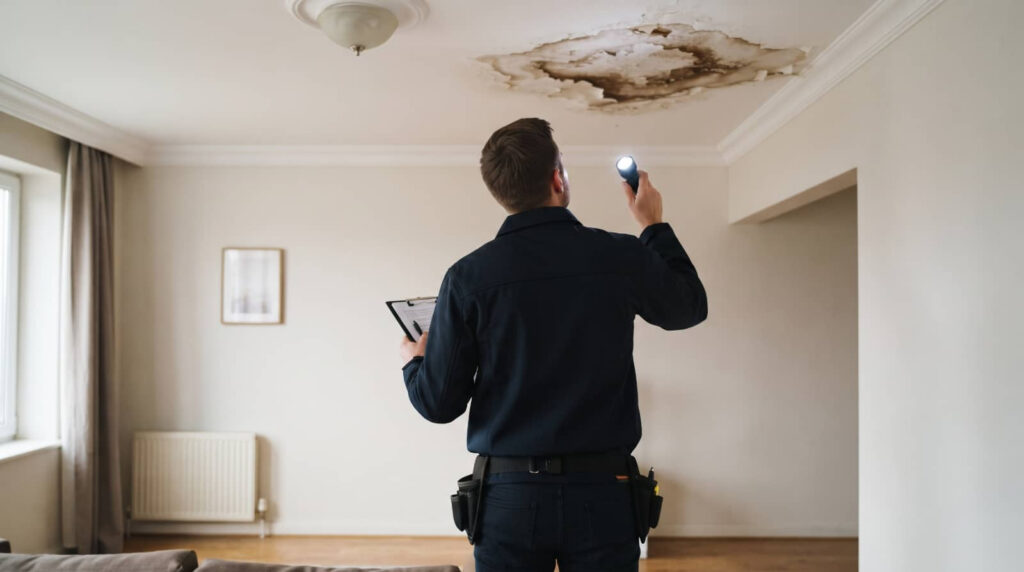
Check foundation cracks, warped siding, loose vents, pipe penetrations, and damaged weatherstripping. Use a flashlight and note any openings larger than 1/8 inch, because rodents and insects exploit even small breaches.
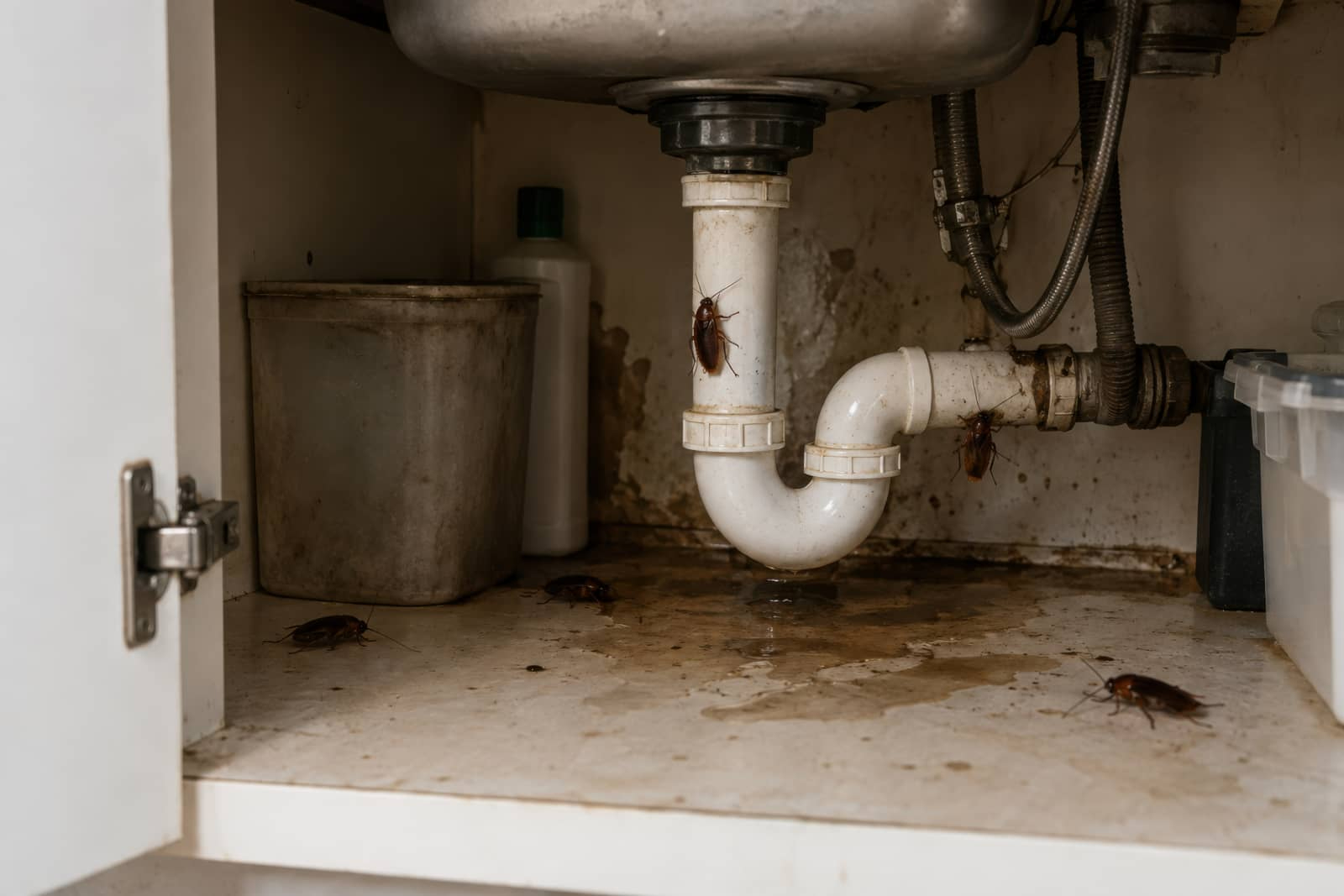
Watch for pest behavior such as trail lines, frass, grease marks, or nesting material near damp areas. Moisture attraction often draws ants, cockroaches, and termites toward hidden voids, so focus on kitchens, bathrooms, basements, and crawl spaces.
Seal gaps with caulk, mesh, or foam rated for exterior use. If you belong to a neighborhood watch or homeowners group, compare findings and share proven repair methods.
Dry Wet Areas as Fast as Possible
Dry wet areas as quickly as you can, because standing moisture gives pests the conditions they need to breed, feed, and hide.
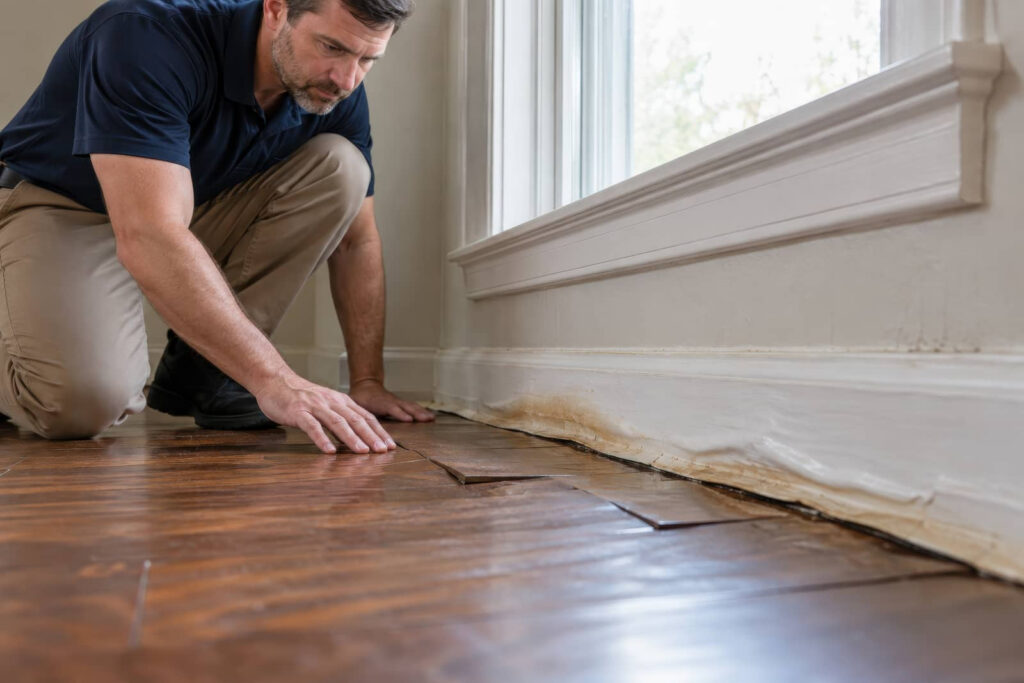
You should open windows, run fans, and use dehumidifiers to speed evaporation in affected rooms. Focus on carpets, baseboards, wall edges, cabinets, and hidden corners where humidity lingers.
Keep indoor air moving so surfaces dry evenly, and monitor relative humidity with a meter if you have one. Fast drying supports mold prevention and tight moisture control, which helps you protect your space and stay part of a healthier home environment.
Check damp spots at least twice a day until materials feel dry to the touch. If you act promptly, you’ll reduce pest attraction and make your recovery plan more effective.
Remove Standing Water and Damaged Materials
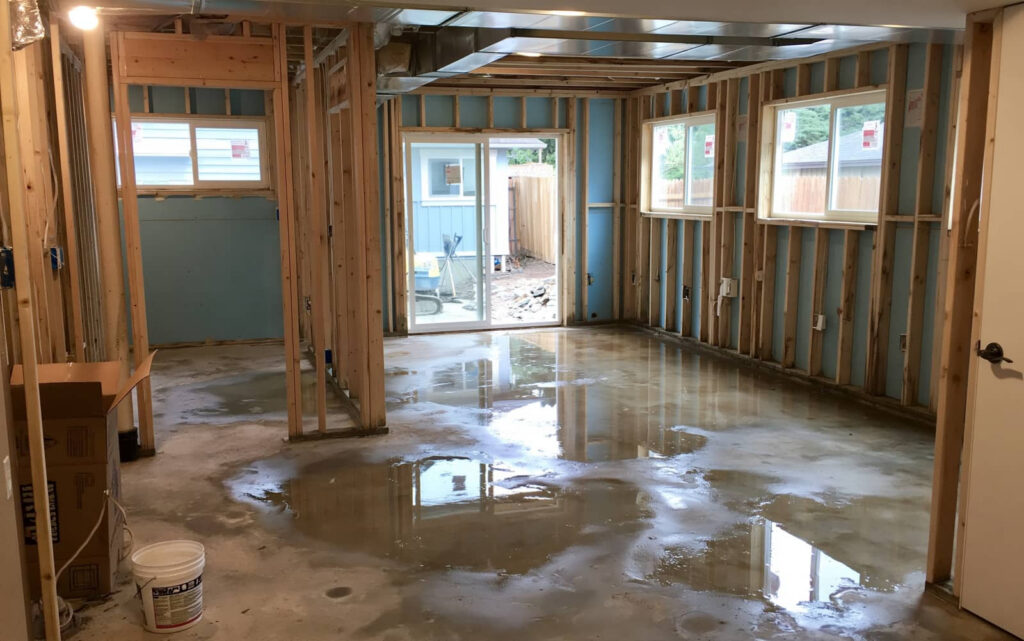
Start by removing all standing water with pumps, wet vacuums, mops, and towels, since pooled water gives pests immediate access to moisture and shelter.
Then inspect soaked drywall, insulation, carpet, cardboard, and swollen baseboards. If these materials stay damp, they support mold growth and increase insect attraction, so bag and discard them quickly.
Work room by room so you can track what’s salvageable and what isn’t. Wear gloves and a respirator when handling debris, and move waste out of the home promptly.
Clean hard surfaces after removal, then keep monitoring for hidden moisture in cavities, under furniture, and behind appliances.
When you act fast, you reduce pest pressure and make your space safer, drier, and easier for everyone in your household to reclaim.
Seal Cracks and Other Entry Gaps
Once the space is dry, seal every crack, gap, and opening that pests can use to re-enter. Inspect baseboards, sill plates, utility penetrations, door sweeps, window frames, and the slab edge.
Use caulk for hairline gaps, expanding foam for larger voids, and metal mesh where rodents can chew. Replace damaged weatherstripping and tighten thresholds so you don’t leave a hidden route inside.
Focus on exterior maintenance around vents, pipes, hose bibs, and the foundation, because moisture can weaken these points fast.
These pest proofing techniques work best when you check them after each cleanup and storm. You’re not just blocking pests; you’re protecting the space your household shares.
Keep your repairs neat, continuous, and dry so the barrier stays effective and dependable.
Call a Certified Pest Control Pro
If pests keep showing up after cleanup and sealing, bring in a certified pest control pro to inspect the structure and set a targeted treatment plan.
You’ll get a technician who can read pest behavior, trace moisture-driven activity, and verify whether hidden colonies remain in wall voids, crawl spaces, or subfloors.
They’ll document infestation signs, such as frass, shed skins, gnaw marks, nesting material, and live movement, then match treatment to the species and damage level.
This matters because water-damaged buildings often support multiple pest types at once.
A pro can also advise you on sanitation, dehumidification, and monitoring so you’re not guessing.
When you work with someone trained, you protect your home and join a crew of owners who handle the problem early.
Frequently Asked Questions
How Soon Should I Check for Pests After Water Damage?
Check for pests within 24 hours of water damage; you’ll catch early pest behavior before colonies spread. Monitor moisture levels daily, then inspect baseboards, insulation, and drains so you can act fast and protect your space.
Which Pests Are Most Attracted to Water-Damaged Homes?
Water-soaked walls and damp flooring attract termites, cockroaches, ants, silverfish, and rodents; they feed on mold growth and hidden decay, triggering insect infestations. You’ll protect your home best by drying, sealing, and monitoring quickly.
Can Mold Increase Pest Problems After Flooding?
Yes, mold can increase pest problems after flooding. Different mold types create moisture, odor, and decay that attract insects and rodents. You can cut risk through pest prevention: dry materials fast, remove debris, and seal entry points.
Are Homeowners Insurance Policies Likely to Cover Pest Treatments?
Usually, you won’t get insurance coverage for pest treatments, because most homeowners policies include pest exclusions. You should review your policy, document water damage, and ask your adjuster whether related remediation qualifies.
How Often Should I Monitor My Home After Repairs?
You should monitor your home weekly for the first month, then monthly for six months. Schedule post repair inspections, check moisture management, and watch for new leaks, odors, or pest activity so you catch issues early.
Final Thoughts
After water damage, you need to act fast to stop pests before they spread. Inspect your home, dry wet areas, remove standing water, and seal every crack and gap you find. If you’re thinking professional help is too much, remember a certified pest control pro can identify hidden infestation risks and target the right treatment quickly. That saves time, limits damage, and gives you a safer, drier, pest-free home.