Contents
Like a hidden fuse under the floor, water damage can ignite a pest problem before you notice it. You need to inspect damp zones for common pests, dry concealed moisture fast, seal cracks and gaps, and apply targeted treatments that match the species involved. If moisture keeps coming back, you’ll want a water damage expert to trace the source—because the real trouble often starts where you can’t see it. These pest control after water damage tips will help you protect your home before small problems turn into infestations.
Key Takeaways on Pest Control After Water Damage Tips
- Inspect damp areas for roaches, ants, termites, silverfish, and rodents, especially in baseboards, cabinets, and wall voids.
- Dry hidden moisture with moisture meters, dehumidifiers, and air movers to remove the conditions pests need.
- Seal cracks, pipe gaps, vents, and torn screens with caulk, foam, mesh, and tight-fitting door sweeps.
- Apply targeted treatments for the pest species present, using baits, dusts, sprays, or natural repellents in damp zones.
- Call a water damage expert if drywall, insulation, or framing is soaked, or if moisture and odors persist after drying.
Identify Common Pests After Water Damage
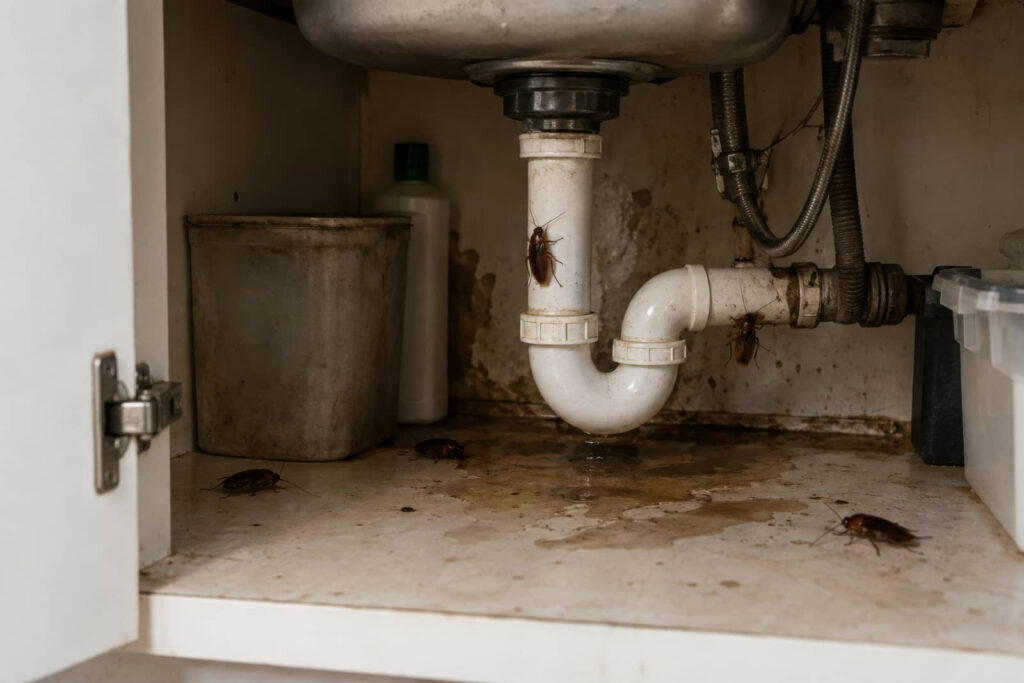
After water damage, you’ll often see pests that thrive in damp, hidden spaces, including cockroaches, ants, termites, silverfish, and rodents. Moisture control is the foundation of all pest control after water damage tips.
You can spot each by its clues: droppings, shed wings, chew marks, or slimy trails. Inspect baseboards, cabinets, insulation, and wall voids for signs of insect attraction and nesting.
Roaches and silverfish favor humid areas, while ants and termites may track moisture into wood and drywall. Rodents often follow gaps near plumbing and vents.
Watch for mold growth too, since it signals conditions that support pest activity.
If you notice clustered activity, don’t wait; document the damage and contact a licensed pest professional so you can protect your home and feel confident with others facing the same cleanup challenge.
Dry Out Hidden Moisture Fast
Once you’ve identified pest activity, move fast to remove the moisture that keeps them coming back.
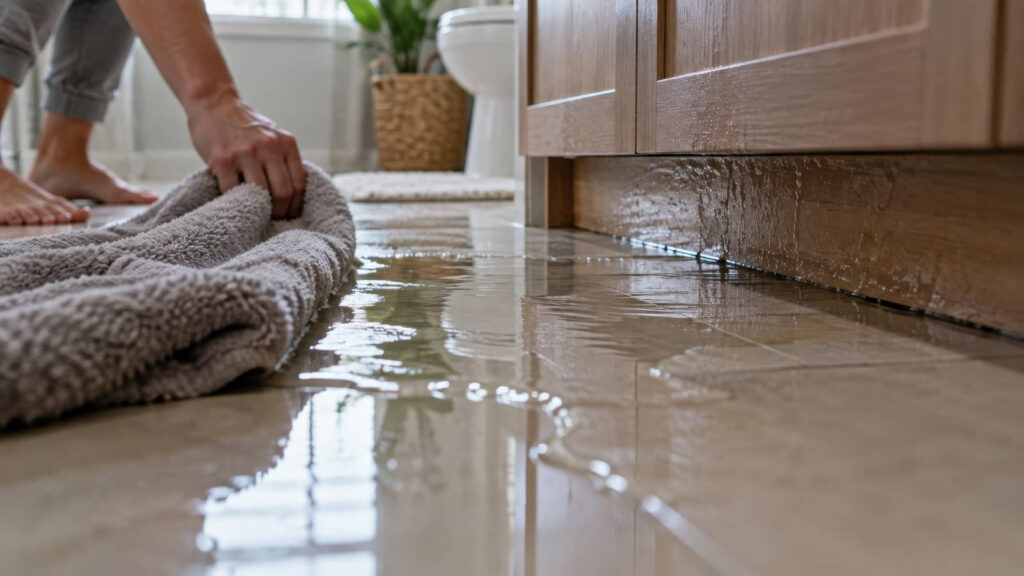
Start with moisture detection: check behind baseboards, under sinks, in wall cavities, and around insulation where water can hide. Use a meter or thermal camera if you’ve got one, and mark damp zones so you can track progress.
Then bring in drying equipment such as air movers, dehumidifiers, and, if needed, containment barriers to speed evaporation. Keep doors open between affected rooms, clear wet materials, and monitor humidity until readings stay stable.
You’re not just drying a room; you’re restoring a dry, healthy space your household can trust. Act quickly, verify each zone, and don’t stop until hidden moisture is gone.
Seal Entry Points Before Infestations
Now that the structure is dry, you should seal the gaps pests use to get back in. Inspect foundation cracks, warped trim, loose siding, and pipe penetrations, then close them with caulk, foam, or metal mesh as appropriate. Among the most useful pest control after water damage tips is acting quickly.
Focus on entry prevention at utility lines, vents, crawlspace openings, and damaged roof edges, because even small openings let insects and rodents move in fast. Replace torn screens and fit door sweeps tightly so you keep a clean perimeter your household can trust.
Where water once soaked framing, add durable moisture barriers to reduce future attraction and limit new access routes. Recheck after settling or repairs, since movement can reopen seams.
When you seal with care, you protect your space and help everyone feel secure again.
Use Targeted Pest Control Treatments
With entry points sealed, you can treat the remaining pest activity directly using targeted methods that match the species and the affected area.
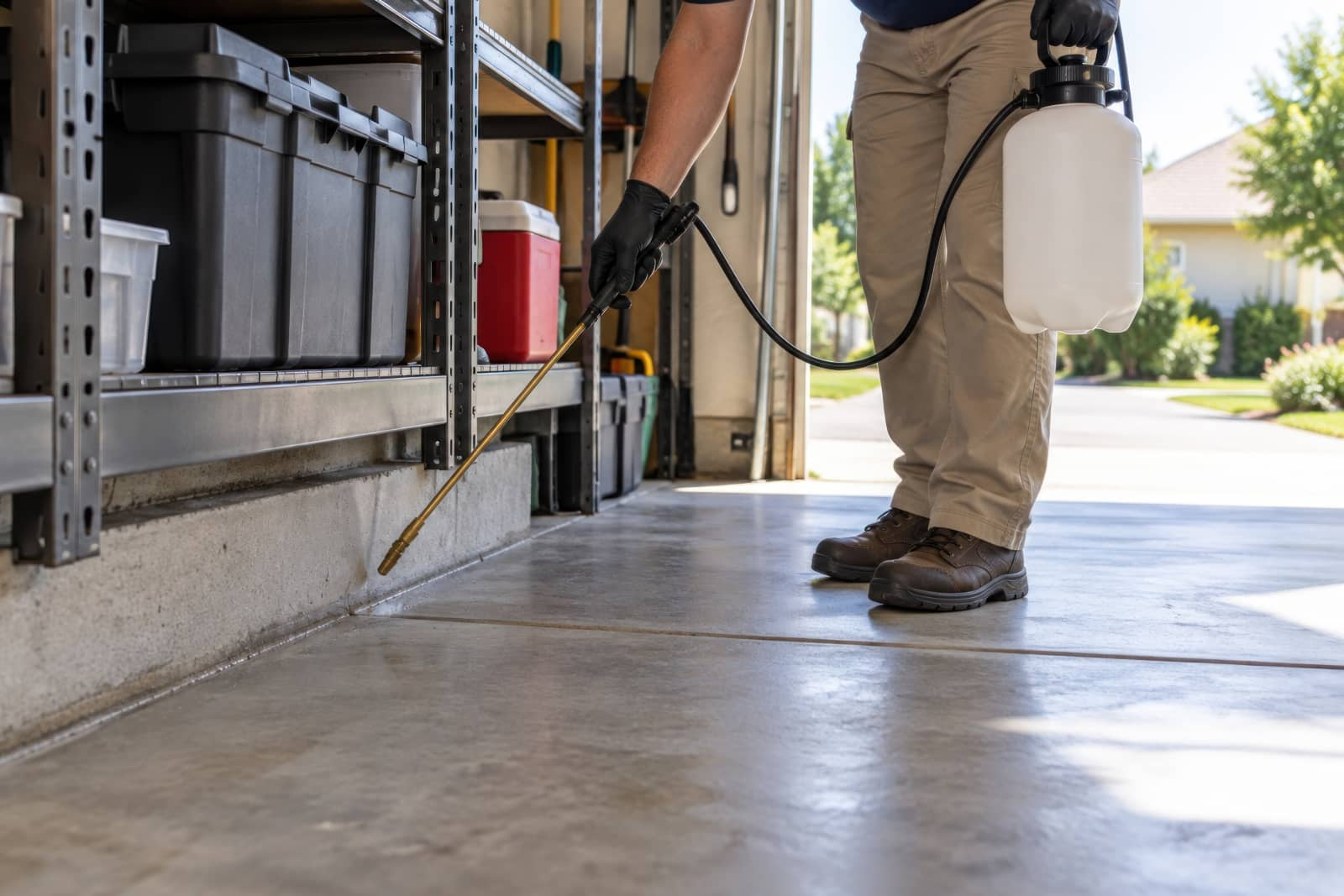
Identify whether you’re dealing with ants, roaches, flies, or rodents, then apply bait, dust, or residual spray where they travel and hide.
In damp spaces, use natural repellents like cedar oil, peppermint, or diatomaceous earth for low-toxicity control.
For heavier infestations, choose chemical treatments labeled for indoor use and follow the dosage exactly.
Focus on baseboards, voids, drains, and behind appliances, where moisture pests cluster.
Rotate products only when the label allows it, and keep treated zones dry to improve results.
When you act this way, you protect your home and stay in control together.
When to Call a Water Damage Expert
If the leak soaked drywall, insulation, subflooring, or structural framing, you should call a water damage expert right away. Homeowners who follow pest control after water damage tips early avoid bigger repairs.
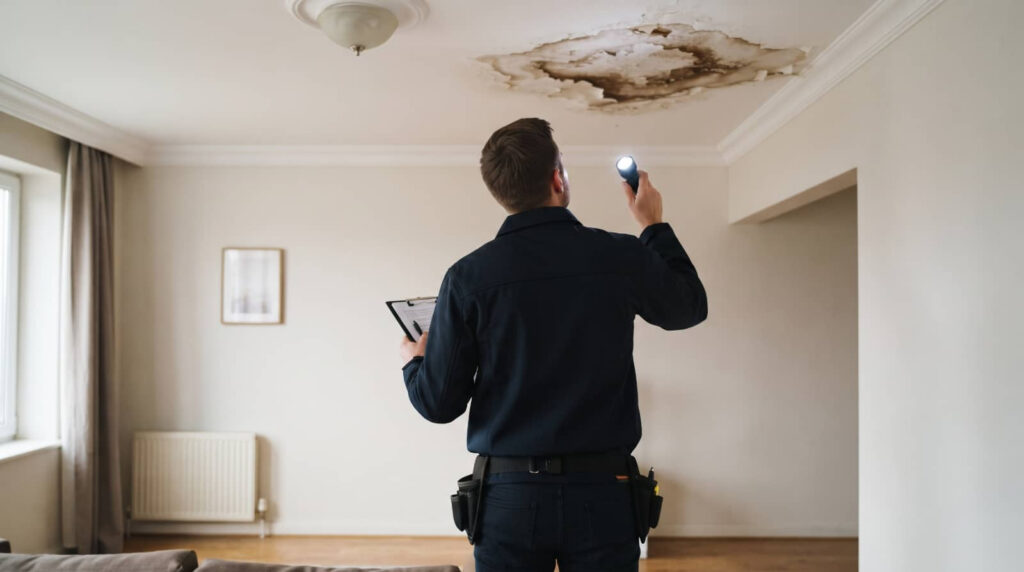
You need help when moisture keeps rising after drying, odors linger, or pests keep returning despite treatment. A pro can measure hidden moisture, map affected materials, and decide whether demolition, structural drying, or sanitation is needed.
That expert inspection also helps you confirm where water damage created entry points for insects and rodents.
If you see warped baseboards, staining, bubbling paint, or soft floors, don’t wait. You’ll protect your home faster when you coordinate repairs and pest control together.
Acting early gives you a cleaner, safer space and helps your household get back to normal with confidence.
Frequently Asked Questions
How Soon Do Pests Appear After Water Damage?
Pests can appear within days after water damage, especially if you don’t manage moisture. You’ll reduce pest resurgence by drying fast, sealing entry points, and improving moisture management, so your space stays protected and comfortable.
Can Mold Attract Pests in Wet Areas?
Yes, mold can attract pests in wet areas, and it’s no secret why. Different mold types signal moisture, shifting pest behavior. You should dry surfaces fast, seal entry points, and inspect hidden leaks together.
Are DIY Traps Effective After Flooding?
Yes, you can use DIY traps after flooding, but your DIY effectiveness depends on trap types and moisture levels. You’ll catch some pests, yet you should dry the area, seal entry points, and monitor results closely.
Should Food Be Thrown Away After Water Exposure?
Yes, you should throw away exposed food after water exposure because contamination risks rise fast. You’ll protect food safety by discarding perishable items, damaged packaging, and anything touched by floodwater, then sanitizing storage areas thoroughly.
How Often Should Pest Inspections Follow Water Damage?
Inspect weekly for the first month, then monthly for three months. Standing water can spark hidden pest lifecycle bursts, so your inspection frequency should stay tight. You’ll protect your home and feel confident together.
Conclusion
After water damage, you need to act fast to keep pests from settling in. Inspect damp baseboards, cabinets, and wall voids for early activity, then dry hidden moisture completely. Seal cracks and gaps before insects or rodents move in, and use targeted treatments based on the pest you find. Since infestations can start in moisture-damaged areas, staying proactive matters. If you can’t control the humidity or leaks, call a water damage expert right away.
Following these pest control after water damage tips helps you keep your home dry, clean, and pest-free. For more helpful guidance, read our post on 5 tips from water damage repair pros.