Contents
When water damage strikes due to a leaky roof, you need to act quickly and methodically. Start by evaluating the damage to understand its extent. It’s essential to safeguard your belongings and identify the leak’s source. Temporary patch solutions can buy you time, but knowing what to do next is imperative. If you’re looking for practical roof repair tips, ask yourself: are you prepared to tackle the aftermath effectively?
Key Takeaways
- Inspect the roof for visible damage and use binoculars for hard-to-reach areas to locate leaks accurately.
- Move vulnerable belongings to a safe location and cover remaining items with tarps to prevent water damage.
- Use roofing tape or rubber membranes for temporary patching of small leaks to mitigate immediate water intrusion.
- Document all damage with clear photographs and detailed lists for insurance claims and future reference.
- Schedule professional repairs promptly to address underlying issues and ensure long-term roof integrity.
Assess the Damage Immediately
When you notice a leak or significant damage to your roof, it’s vital to assess the situation immediately to prevent further issues. Start your damage assessment by locating the source of the leak. Inspect the roof for missing shingles, cracks, or punctures. Use binoculars for a safer, distant view if necessary.
Once you’ve identified the problem areas, document the damage with photos for insurance purposes. An immediate response is essential; the longer you wait, the more extensive the damage can become, leading to costly repairs.
If the damage is severe, consider calling a professional roofing contractor for a thorough evaluation. Make sure you prioritize safety by using a sturdy ladder and wearing appropriate gear.
Safeguard Your Belongings
To protect your belongings during an emergency roof repair, start by moving items to a safe location away from potential water damage.
If relocation isn’t feasible, cover vulnerable items with tarps to shield them from leaks and debris.
Taking these steps can minimize damage and safeguard your possessions while you address the roof issue.
Move Items to Safety
One of the first steps in emergency roof repair is moving items to safety, as protecting your belongings from potential water damage or falling debris is essential.
Start by evaluating your space and identifying vulnerable items, such as electronics, artworks, and important documents.
Prioritize furniture relocation by moving these items to a dry area away from the roof’s potential leaks or hazards. If necessary, consider temporary storage solutions, such as renting a storage unit or utilizing a friend’s garage.
Make sure that you carefully wrap fragile items to prevent breakage during the move.
Protect With Tarps
A tarp can be an effective solution for safeguarding your belongings during emergency roof repairs. Proper tarp installation is essential to guarantee maximum protection. Choose the right tarp types based on the conditions you face. For example, a heavy-duty polyethylene tarp works well in rainy weather, while a canvas tarp offers durability for long-term use.
Here’s a quick comparison of tarp types:
| Tarp Type | Best Use |
|---|---|
| Polyethylene | Rainy conditions |
| Canvas | Long-term protection |
| Vinyl | Extreme weather |
| Mesh | Ventilation needs |
| Reflective | Sun protection |
Remember to securely fasten the tarp to prevent water infiltration and additional damage. This simple step can save your valuables from further water damage.
Identify the Source of the Leak
Where could that pesky leak be coming from? Identifying the source of a roof leak is essential for effective repairs. Start with a thorough roof inspection. Look for visible signs like damaged shingles, cracked flashing, or missing tiles. These areas often harbor leaks, so pay close attention.
Next, consider conducting leak detection methods. If water stains appear on your ceiling, trace them back to their origin. You might need a helper to spray water on sections of the roof while you monitor for leaks inside. This targeted approach helps pinpoint the exact location of the issue.
Don’t forget to inspect areas around vents, chimneys, and skylights, as these spots frequently develop leaks due to improper sealing.
Temporary Patch Solutions
When a roof leak emerges, quick action is crucial, and temporary patch solutions can provide immediate relief. You can employ several temporary patching techniques to minimize water damage until a permanent fix is made.
One effective method is using roofing tape, which adheres well and seals small leaks efficiently. If the damage is larger, consider quick repair materials like a rubber membrane or plastic sheeting to cover the affected area, guaranteeing it’s firmly secured.
For asphalt roofs, roofing cement can fill gaps and cracks effectively. Always clean the area before applying any patch to guarantee ideal adhesion.
While these solutions aren’t permanent, they can greatly reduce water intrusion and protect your home. Remember, these patches are stopgaps, so plan for a thorough inspection and permanent repairs as soon as possible to avoid further damage.
Your home deserves the best care, and taking these steps shows your commitment to its well-being.
Use Tarps for Protection
Using tarps can be an effective way to protect your home from further water damage during an emergency roof repair. When you opt for tarps installation, choose durable tarp materials like polyethylene or vinyl, which offer excellent waterproofing capabilities.
Confirm the tarp is large enough to cover the damaged area and extends beyond it to catch any rain or water runoff. Secure the tarp tightly using ropes, bungee cords, or weighted objects to prevent it from blowing away in strong winds.
If possible, angle the tarp to allow water to drain off instead of pooling on top. Check the installation regularly, especially after storms, to verify it remains intact.
Clear Debris From Gutters and Drains
Cleaning gutters and drains is vital to prevent water damage during emergencies.
You’ll need specific tools like a ladder, gloves, and a scoop for effective cleaning.
Establishing a regular maintenance schedule guarantees your gutters stay clear and your roof remains protected.
Importance of Clean Gutters
Though often overlooked, maintaining clean gutters is essential for ensuring your roof’s longevity and preventing costly repairs. Clogged gutters can impede water flow, leading to overflow that damages your roof and siding.
By neglecting gutter maintenance, you risk creating an environment for mold and mildew, which can compromise the structural integrity of your home. Regularly clearing debris from your gutters and drains allows water to flow freely, directing it away from your foundation.
This simple yet important task can save you from severe water damage and expensive repairs down the line. Take pride in protecting your home; clean gutters are a critical part of responsible homeownership and safeguard your investment.
Regular attention to this detail fosters a safe living environment for you and your family.
Tools for Effective Cleaning
Maintaining clean gutters requires the right tools to guarantee efficiency and safety during the process. Having the appropriate cleaning supplies and repair tools not only makes the task easier but also assures you effectively remove debris and prevent water damage.
Here are three essential tools you’ll need:
- Gutter Scoop: This handy tool helps you quickly and efficiently remove leaves and muck from your gutters without much hassle.
- Garden Hose: A garden hose allows you to flush out remaining debris and check for proper drainage.
- Safety Gear: Don’t forget gloves, goggles, and a sturdy ladder to guarantee your safety while cleaning.
With the right tools in hand, you’re well-equipped to keep your gutters clear and functional.
Regular Maintenance Schedule
Establishing a regular maintenance schedule for clearing debris from gutters and drains is essential to prevent water damage and guarantee proper drainage. By incorporating this into your roof inspections, you can ascertain your home stays protected. Follow a maintenance checklist to keep track of your tasks and avoid potential issues.
| Task | Frequency |
|---|---|
| Clear gutters | Bi-monthly |
| Inspect drains | Quarterly |
| Roof inspections | Annually |
Make certain you’re checking for leaves, twigs, and other debris that can obstruct water flow. Regular maintenance not only prolongs the life of your roof but also fosters a sense of community as you share tips and experiences with neighbors facing similar challenges.
Check for Mold Growth
How can you determine if mold is lurking beneath your roof’s surface?
Mold growth can pose significant health risks, so it’s vital to check for signs of it promptly. Here are three steps to help you assess the situation:
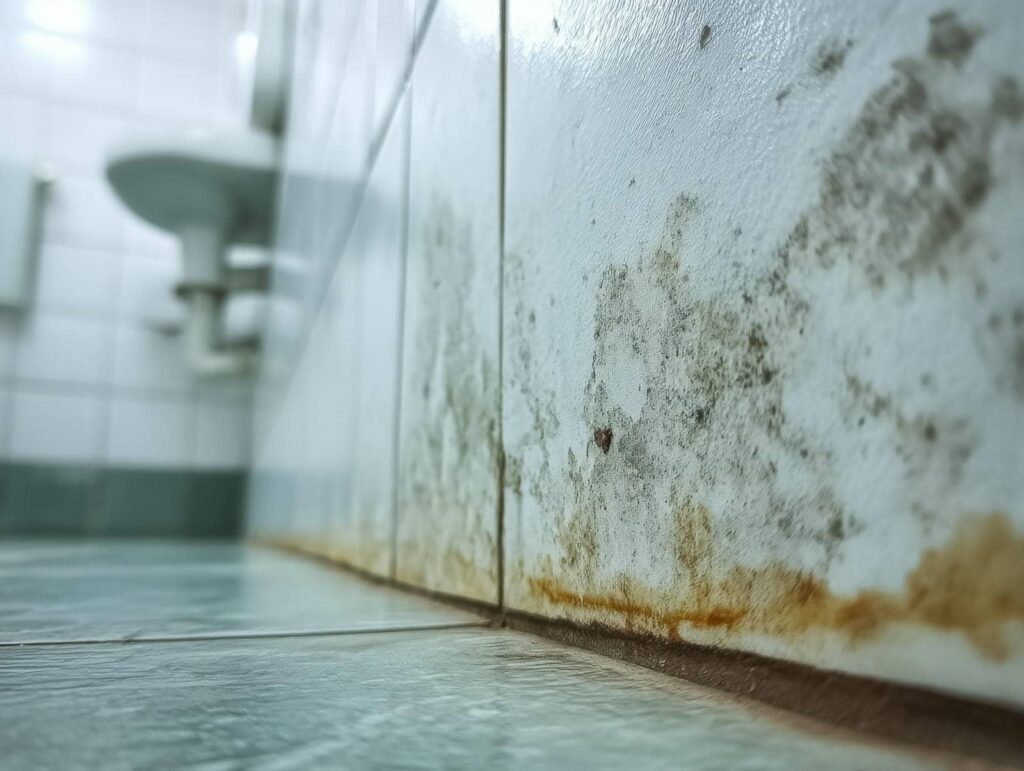
- Inspect for Stains: Look for dark spots or discoloration on your ceilings or walls. These can indicate moisture and potential mold growth.
- Smell for Mustiness: A damp, musty odor often signals mold presence. Trust your senses; if you detect an unusual smell, investigate further.
- Monitor Humidity Levels: Keep an eye on indoor humidity. High levels can foster mold growth, so aim for humidity between 30-50% for effective mold prevention.
If you discover mold, act quickly.
Mold remediation is essential for restoring a safe environment. Regular inspections can save you from larger issues down the line.
Document the Damage for Insurance
As you assess the damage to your roof, documenting it thoroughly is vital for your insurance claim. Start by taking clear photographs from multiple angles, capturing both the overall damage and close-ups of affected areas. Be certain to include images of the interior, showing any water stains or structural issues.
Next, create a detailed list of all visible damage, noting the specific locations and types of damage. This damage documentation will serve as essential evidence for your insurance claims process.
If you have any receipts for repairs or emergency services, include those as well. Keep a record of any communications with your insurance provider, as this can help clarify your claim.
Seek Professional Help
While you might be tempted to tackle roof repairs on your own, seeking professional help is often the wisest choice. Roof damage can be complex, and a professional evaluation guarantees that you address all issues effectively.
Here are three reasons to weigh emergency services:
- Safety: Climbing onto a damaged roof poses risks. Professionals are trained to handle hazardous conditions safely.
- Expertise: Experienced roofers can quickly identify underlying problems that may not be visible, preventing further damage.
- Insurance: Many insurance companies require a professional assessment for claims. Having a certified evaluation streamlines the process and increases your chances of full coverage.
Ultimately, investing in professional help can save you time, money, and stress.
You’re not alone in this; reaching out for assistance connects you to a community of experts ready to support you through your emergency repairs.
Plan for Permanent Repairs
Once you’ve secured emergency repairs, it’s crucial to plan for permanent solutions to prevent future issues. Start by evaluating the extent of the damage and the specific areas needing attention. Consult with a professional to determine the best repair materials that match your roof type and climate conditions. This guarantees durability and effectiveness.
Consider long-term solutions such as upgrading to more resilient roofing systems or reinforcing existing structures. For example, using improved underlayment can enhance water resistance, while high-quality shingles can extend the lifespan of your roof.
Additionally, you might want to explore options for improved drainage or ventilation to minimize future water damage.
Once you have a thorough plan, schedule the repairs promptly to mitigate any ongoing risks. Remember, investing in permanent solutions now can save you time, money, and stress down the line, keeping your home safe and secure for years to come.
Frequently Asked Questions
How Can I Tell if My Roof Is Structurally Compromised?
To determine if your roof’s structurally compromised, conduct a thorough roof inspection. Look for sagging, cracked beams, or missing shingles, which may indicate a loss of structural integrity. Regular checks are essential for maintaining safety.
What Materials Are Best for a Temporary Roof Patch?
For effective temporary roof patching, consider using materials like tarps, roofing tape, or rubber sheeting. These options provide quick solutions, ensuring you protect your home while awaiting a permanent repair. Choose what suits your needs best.
How Long Can a Temporary Patch Last Before Permanent Repairs?
A temporary patch lifespan typically ranges from a few weeks to several months, depending on weather conditions and material quality. You should explore permanent repair options as soon as possible to guarantee long-term roof integrity.
Can I Claim Water Damage on My Homeowner’s Insurance?
You can claim water damage on your homeowner’s insurance if it’s covered. Review your policy for insurance coverage details and follow the claim process to guarantee you get the compensation you deserve. Don’t hesitate!
What Should I Do if I Find Mold in My Attic?
If you find mold in your attic, prioritize mold removal immediately. Improve attic ventilation to prevent future growth, and consider consulting a professional for thorough cleaning and assessment to guarantee your home remains safe and healthy.
To Sum Up
In the aftermath of water damage, don’t let the weight of despair cloud your judgment. Picture a sturdy roof, shielding you from the storm, as you take decisive action. By addressing the leak swiftly and protecting your belongings, you’re not just patching a problem; you’re reclaiming your space. Engage professionals for lasting repairs, ensuring your home stands resilient against future downpours. With each step, you’re restoring not just your roof, but your peace of mind.