Contents
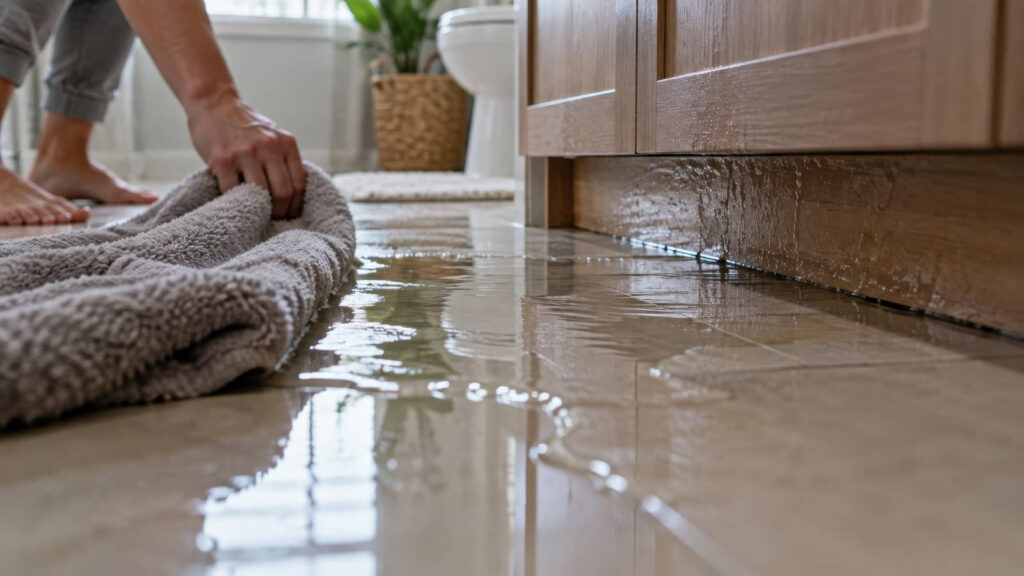
If your property took on a little extra moisture after a flood, you know that’s often when pest issues start to surface. You need flood cleanup pest experts to inspect crawlspaces, insulation, and debris, then repair damage, seal entry points, and remove conditions that support infestations. They can also identify signs that pests have already moved in and set up prevention steps that may save you from a bigger problem next. Working with pest experts for damage repair helps you fix moisture problems and stop pests before they settle in.
Key Takeaways on Pest Experts for Damage Repair
- Flood cleanup pest experts identify rodents and insects hidden in damp walls, crawlspaces, and debris after flooding.
- They inspect for droppings, gnaw marks, nesting materials, odors, and entry holes to confirm infestation.
- They remove contaminated insulation and damaged materials to prevent pests from returning.
- They treat affected areas and repair structural damage with drying, sealing, and sanitation measures.
- They help prevent future infestations by sealing gaps, controlling moisture, and removing food sources.
How Do Flood Pest Experts Help?
Flood pest experts help by quickly identifying and eliminating the insects and rodents that often move in after flood damage. You get targeted pest identification, so you’re not guessing which species are active or where they’re entering. Pest experts for damage repair look for entry points that flooding creates.
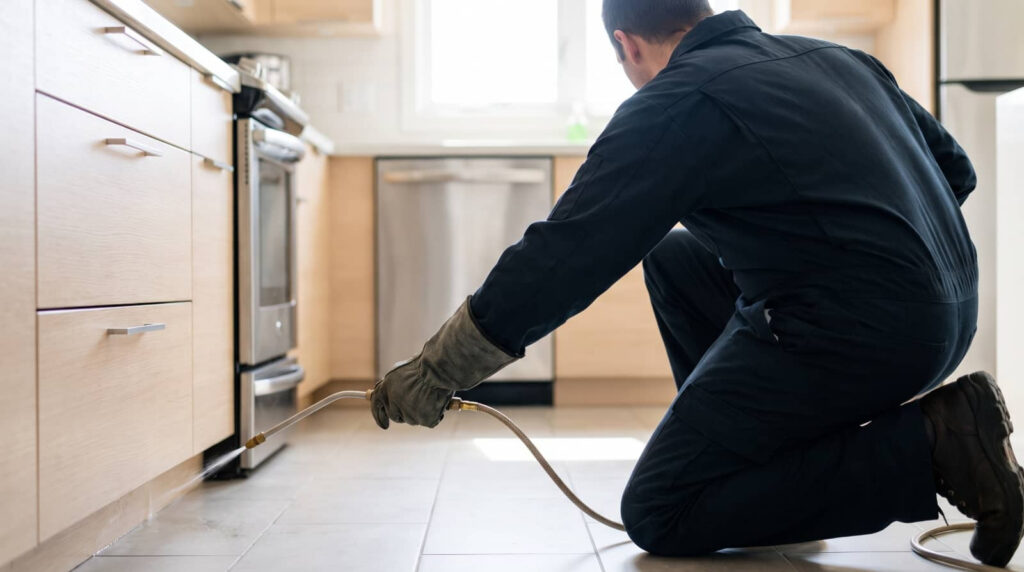
In the flood aftermath, they inspect damp insulation, wall voids, crawlspaces, and debris piles, then apply control methods that fit your structure and safety needs. They also reduce breeding sites by removing moisture-linked attractants and sealing access points.
That means you’re not just treating pests; you’re restoring a healthier, more secure space for your household or team. With a coordinated plan, you stay informed, supported, and ready to move forward with confidence after the cleanup.
What Signs Show Pests Moved In?
You can usually spot a pest problem by looking for fresh droppings, gnaw marks, shed skins, grease trails, nesting material, or small entry holes around baseboards, vents, and damaged walls. Hiring pest experts for damage repair keeps small infestations from spreading.
Check for pest droppings in corners, behind appliances, and along travel paths; their size and shape help you identify the invader.
Watch for nesting signs like shredded paper, insulation, or fabric tucked into quiet gaps. You may also notice rub marks, foul odors, or repeated sightings at dusk.
- Inspect cabinets and utility rooms
- Seal cracks with durable caulk
- Remove food residue promptly
- Dry wet materials fast
- Call a flood cleanup pest expert
When you catch these clues early, you protect your home and join neighbors who act fast together.
Why Are Crawlspaces a Pest Risk?
Crawlspaces create ideal conditions for pests because they’re dark, humid, protected, and often full of gaps that let insects and rodents enter easily. Experienced pest experts for damage repair work alongside restoration crews.
When you add crawlspace moisture after flooding, you create a stable environment where pests can feed, hide, and multiply with little disturbance.
Damp insulation, wet soil, and wood decay all support pest breeding, especially for ants, roaches, termites, and mice.
You may not see the activity right away, but these hidden spaces let colonies expand quickly.
If you want to protect your home and feel secure with your neighbors, inspect vents, seal entry points, and reduce humidity fast.
Fast action limits infestation pressure and keeps your crawlspace from becoming a long-term pest reservoir after flood damage.
How Is Flood Pest Damage Repaired?
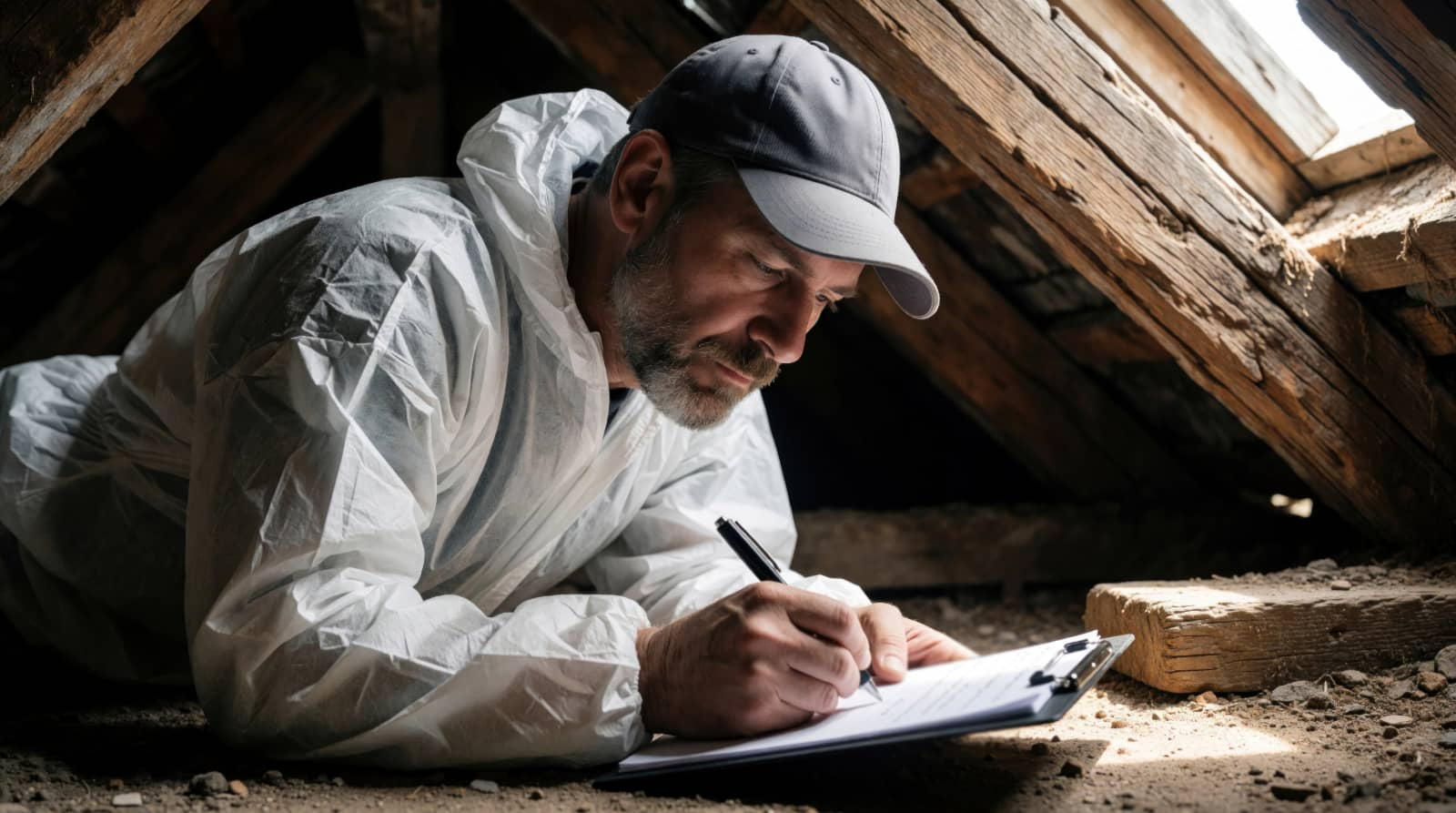
You start by evaluating structural pest damage, checking framing, insulation, subfloors, and hidden voids for gnawing, nesting, or moisture-related decay. Pest experts for damage repair also help you seal gaps once drying is complete.
Then you remove contaminated materials, treat affected surfaces, and repair or replace damaged components to stop pests from returning.
Finally, you restore the flood-hit area with drying, sealing, and sanitation measures that reduce infestation risk and support long-term recovery.
Assessing Structural Pest Damage
After floodwaters recede, pest damage often hides inside walls, under flooring, and around framing where moisture has softened wood and invited termites, carpenter ants, rodents, and other pests to expand existing deterioration.
You’ll need a thorough pest assessment to confirm structural integrity before any repairs begin.
- Check sill plates, joists, and studs for tunneling
- Probe damp wood for voids, crumbling edges, or swelling
- Look for droppings, nests, and mud tubes
- Inspect insulation for gnawing and contamination
- Map affected zones so your team can plan targeted action
When you document findings, you help your crew work faster and keep your home’s system safe.
A careful inspection gives you clear next steps and lets you stay connected to a reliable cleanup plan.
Restoring Infested Flood Areas
Once pest activity and moisture intrusion are documented, restoration can begin with controlled demolition, targeted pest treatment, and selective material replacement.
You’ll remove water-damaged drywall, insulation, and flooring that can hide nests, spores, and structural decay. Then you’ll dry framing, disinfect surfaces, and seal gaps that let pests reenter.
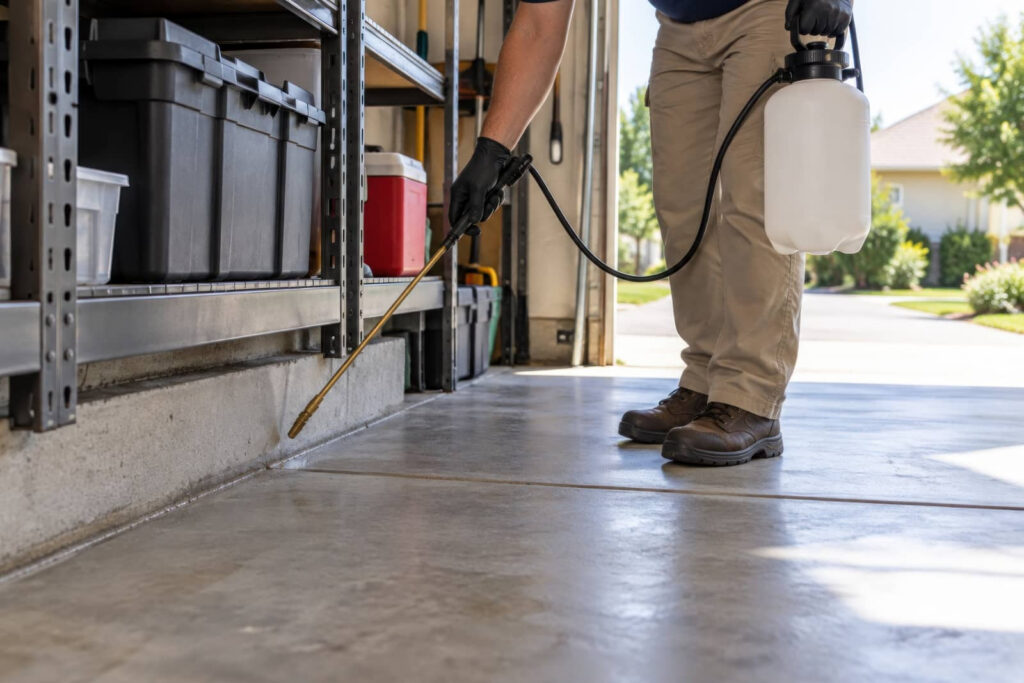
In flood aftermath conditions, you need pest control that fits the damage pattern, not a generic spray. Technicians can treat voids, subfloors, and wall cavities, then verify that termites, rodents, and insects no longer have access.
You’ll also replace compromised wood, restore vapor barriers, and test humidity levels before closing walls. This process helps you rejoin a safer, cleaner space with confidence, because effective repair protects both the structure and the people who live there.
How Do You Choose a Local Pest Expert?
Choosing the right local pest expert starts with verifying that they understand flood-related infestations, not just routine pest control. You’ll want a specialist who can assess moisture-linked entry points, identify hidden nesting zones, and explain their process clearly. Choosing licensed pest experts for damage repair protects your home and family.
Use local reviews to see whether neighbors trust their response times and follow-through. Add certification checks to confirm training, licensing, and insurance coverage. Ask for proof of post-flood experience, not vague promises.
- Inspect communication speed
- Compare inspection methods
- Confirm written estimates
- Review equipment and safety practices
- Check cleanup coordination with repair teams
When you choose someone who speaks your language and understands your community’s recovery needs, you’re more likely to feel confident, supported, and ready to move forward with the repair work.
How Do You Prevent Pests After Cleanup?
After cleanup, you should seal entry points by caulking cracks, repairing screens, and closing gaps around pipes, vents, and foundations. Ask pest experts for damage repair about follow-up visits and prevention plans.
You should also remove food sources by storing dry goods in sealed containers, cleaning spills immediately, and disposing of debris and standing water.
These controls reduce attractants and block pest access, which helps prevent reinfestation.
Seal Entry Points
Seal even the smallest gaps around doors, windows, utility lines, vents, and foundation cracks to keep pests from re-entering after flood cleanup. You can protect your space with a thorough entry point inspection and targeted sealing methods that close off hidden routes fast.
Use durable caulk, mesh, weatherstripping, and foam rated for exterior use.
- Check frames and thresholds
- Seal pipe penetrations tightly
- Repair torn vent screens
- Fill masonry cracks promptly
- Reinspect after rain or settling
When you act early, you’re helping your home feel secure and pest-resistant again. This step supports your cleanup efforts and gives your household a stronger barrier against unwanted intrusion.
Remove Food Sources
To prevent pests from returning after cleanup, remove every accessible food source so your space doesn’t attract rodents, ants, roaches, or flies. You should discard water-damaged pantry items, spoiled produce, and any open pet food.
Move all food storage into sealed, hard-sided containers, and wipe shelves after each use to eliminate residue. Clean crumbs, grease, and sticky spills from floors, counters, and appliance bases, since even trace sugars can support pest activity.
Pair this with moisture control by drying sinks, leaking pipes, and damp materials quickly, because standing water often fuels infestations. Keep trash in lidded bins and empty them regularly.
When you and your household follow these steps together, you create a cleaner, safer environment that pests can’t easily claim.
Frequently Asked Questions
How Soon Should Pest Control Start After Flooding?
You should start pest control within 24–48 hours after flooding. In the flood aftermath, you’ll need fast pest identification, since moisture attracts insects and rodents. Act quickly, seal entry points, and inspect hidden areas.
Can Floodwater Damage Attract Termites?
Absolutely—floodwater can attract termites. In the flood aftermath, moist wood and hidden leaks trigger termite behavior. You should dry materials fast, inspect foundations, and seal entry points so you’re not fighting an uphill battle.
Are Pest Treatments Safe for Children and Pets?
Yes, you can choose pest treatments that protect child health and pets. You’ll improve pest treatment safety by asking for low-toxicity products, targeted application, and clear reentry times, so your home stays protected and welcoming.
Does Insurance Cover Flood-Related Pest Damage?
Usually, you’ll need flood insurance to cover damage from floods, but it often excludes pest infestations. You should review your policy, document losses, and ask your insurer whether hidden water damage triggered eligible repairs.
Should Contaminated Items Be Removed Before Pest Treatment?
Yes, you should remove contaminated items before pest treatment because contaminated item removal improves pest treatment timing, limits re-infestation, and lets you restore your space faster. You’ll protect your home, team, and community together.
Review
When floodwater recedes, you’re left tending a house like a ship after a storm: damp timbers, hidden tunnels, and stowaway pests in the hold. A flood cleanup pest expert helps you chart the damage, remove invaders, repair entry points, and dry out crawlspaces before colonies settle in. You’ll restore the structure, reduce health risks, and strengthen defenses with sealing, sanitation, and monitoring so the next wave doesn’t bring another infestation.
The right pest experts for damage repair help you restore your property and keep it pest-free. For more helpful guidance, read our post on 3 tips from flood cleanup specialists.