Contents
Many people think mold growth is inevitable, but with the right strategies, you can effectively prevent it. Keeping your home mold-free requires a proactive approach to humidity, ventilation, and moisture management. Ignoring these factors can lead to health risks and costly repairs. So, what are the essential steps you should take to create an inhospitable environment for mold? Let’s explore the top 10 tips to safeguard your home.
Key Takeaways
- Maintain indoor humidity levels between 30% and 60% using a hygrometer and dehumidifiers where necessary.
- Ensure proper ventilation by using exhaust fans and keeping air vents unobstructed.
- Quickly address any leaks or water sources to prevent moisture buildup and mold growth.
- Regularly clean and dry areas prone to moisture, using towels to absorb spills promptly.
- Use mold-resistant products and airtight storage solutions to protect items from humidity.
Maintain Low Humidity Levels
To effectively prevent mold growth, it’s crucial to maintain low humidity levels in your home. High humidity can create an ideal environment for mold spores to thrive, so implementing effective humidity control measures is important. You should aim to keep indoor humidity levels between 30% and 60%.
Using a hygrometer can help you monitor these levels accurately.
Regularly check for moisture detection in areas prone to dampness, like bathrooms and basements. If you notice any signs of excess moisture, such as condensation on windows or water stains, address them immediately.
Dehumidifiers can be a valuable tool in your humidity control strategy, especially in humid climates. Additionally, consider using exhaust fans during activities that generate moisture, like cooking or showering.
Ensure Proper Ventilation
Low humidity levels play a considerable role in mold prevention, but proper ventilation is equally important in creating a healthy indoor environment.
To ensure effective airflow, implement efficient airflow strategies throughout your space. Start by utilizing natural ventilation methods, like opening windows and doors, to promote air circulation. If that’s not feasible, consider investing in ventilation systems designed to improve indoor air quality.
Make certain to place exhaust fans in areas prone to moisture, such as kitchens and bathrooms, to remove excess humidity. Regularly clean and maintain these systems to keep them functioning effectively.
Additionally, check that air vents aren’t obstructed by furniture or debris, as this can hinder airflow. By prioritizing proper ventilation, you’ll greatly reduce moisture buildup and create a space that feels fresh and welcoming, which ultimately fosters a sense of belonging for you and your loved ones.
Fix Leaks Promptly
To prevent mold growth, you must identify and address water sources quickly.
Regular maintenance checks help you spot leaks before they become a bigger issue.
Identify Water Sources
While it may seem minor, even small leaks can lead to significant mold issues if left unaddressed. The key to preventing mold growth is identifying water sources early. Utilize water leak detection methods to pinpoint problem areas, and consider using a moisture meter to measure humidity levels in your home.
| Source | Detection Method | Action Required |
|---|---|---|
| Pipes | Visual inspection | Repair immediately |
| Roof | Moisture meter usage | Schedule repairs |
| Windows | Check for condensation | Reseal or replace |
| Basement | Regular inspections | Waterproofing needed |
Regular Maintenance Checks
Detecting water sources is only the first step; regular maintenance checks play an essential role in preventing mold growth.
By establishing consistent inspection schedules, you can identify potential leaks and moisture issues before they escalate.
Make it a habit to examine plumbing, roofs, and windows regularly, as these areas are common mold culprits.
Implementing preventive measures, such as sealing cracks and ensuring proper drainage, further reduces your risk.
Don’t wait for visible signs of mold; proactive maintenance secures a healthy environment for you and your family.
Remember, a little effort goes a long way in protecting your home.
Stay vigilant, and you’ll foster a space that feels safe, welcoming, and mold-free.
Clean and Dry Wet Areas
One of the most effective strategies for preventing mold growth is to clean and dry wet areas promptly. When moisture accumulates in places like bathrooms, kitchens, or basements, it creates an ideal environment for mold spores to thrive.
To combat this, you should regularly inspect these areas and address any leaks or spills immediately. Use a towel or mop to absorb excess water, and consider utilizing a dehumidifier to assist with moisture control.
Ensuring proper ventilation, such as using exhaust fans, can further reduce humidity levels. If you notice mold already forming, it’s essential to act quickly.
Engage in mold removal practices, whether through DIY solutions or professional help, to eliminate the problem effectively. By taking these steps, you protect your home and create a healthier living environment for yourself and your loved ones.
Use Mold-Resistant Products
To effectively combat mold growth, you should consider using mold-resistant products in your home.
Mold-resistant paints and materials can considerably reduce moisture retention and inhibit mold development.
Mold-Resistant Paint Options
Mold-resistant paint options play an important role in preventing mold growth in your home. By using mold-resistant coatings during your paint application, you create a barrier that inhibits moisture retention, making it harder for mold to thrive.
These paints contain antimicrobial properties that protect surfaces, especially in high-humidity areas like bathrooms and kitchens. When selecting a mold-resistant paint, look for products specifically labeled accordingly, ensuring they meet durability and performance standards.
Proper application is vital; follow the manufacturer’s instructions for the best results. These choices will enhance your home’s aesthetic, and also foster a healthier environment, giving you peace of mind knowing you’ve taken proactive steps against mold.
Choosing Mold-Resistant Materials
Selecting the right materials for your home can greatly reduce the risk of mold growth. Opting for mold-resistant fabrics in your upholstery and curtains is essential, as these materials are designed to inhibit mold proliferation.
When it comes to flooring, consider mold-resistant options like vinyl or treated laminate, which are less porous and more resistant to moisture. These choices enhance your home’s aesthetic and contribute to a healthier living environment.
Insulate Pipes and Walls
Since insulating pipes and walls can greatly reduce the risk of mold growth, it’s crucial to prioritize this step in your home maintenance routine.
Proper insulation keeps temperatures consistent, preventing condensation that fosters mold. Here are three key areas to focus on:
Pipe Insulation: Use foam sleeves or fiberglass wraps on exposed pipes, especially in unheated areas. This minimizes heat loss and reduces moisture accumulation.
Wall Insulation: Confirm your walls are adequately insulated with materials designed to combat moisture. This helps with temperature regulation and blocks mold-friendly environments.
Ventilation: Don’t overlook the importance of proper ventilation in insulated areas. Even insulated spaces need airflow to reduce humidity levels.
Regularly Inspect Roof and Gutters
Maintaining a mold-free home requires attention to various structural elements, including your roof and gutters.
Regular roof inspections are essential to identify any potential leaks or damage that could allow moisture to seep in and foster mold growth. Check for missing shingles, cracks, or sagging areas, and address any issues promptly.
Gutter maintenance is equally critical.
Clogged gutters can overflow, directing water toward your home’s foundation and roof, creating an environment ripe for mold. Clean your gutters at least twice a year to ensure proper drainage and prevent water buildup.
Store Items in Dry Environments
To effectively prevent mold growth, you must store items in dry environments, as excess moisture can lead to serious problems.
Choosing the right storage solutions is essential to maintaining a mold-free space. Here are three tips to help you store your belongings securely:
Use Dry Containers: Invest in airtight, dry containers to protect your items from humidity and moisture.
Keep Items Off the Ground: Elevate your storage to prevent contact with damp surfaces, such as concrete floors, which can harbor moisture.
Monitor Temperature: Maintain a consistent temperature in your storage area, as fluctuating temperatures can increase humidity levels.
Use Dehumidifiers in Damp Areas
Using dehumidifiers in damp areas is essential for maintaining ideal humidity levels and preventing mold growth.
To maximize their effectiveness, consider the best placement and follow maintenance guidelines regularly.
Ideal Humidity Levels
While it might be tempting to overlook humidity levels in your home, keeping them in check is essential for preventing mold growth. Effective humidity control can make all the difference. Aim to maintain indoor humidity levels between 30% and 60%.
To manage this, consider the following:
Use a hygrometer: Regularly check the humidity measurement to ensure levels stay balanced.
Optimize ventilation: Open windows and use exhaust fans to reduce moisture accumulation.
Deploy dehumidifiers: In damp areas, these devices work wonders in keeping humidity at bay.
Placement Tips
Dehumidifiers are essential tools for managing moisture in specific areas prone to dampness. To maximize their effectiveness, strategically place dehumidifiers in rooms like basements, laundry areas, and bathrooms.
Consider your furniture arrangement; ensure that the dehumidifier has unobstructed airflow to effectively reduce humidity levels. It’s also wise to utilize storage solutions that promote airflow, such as shelving instead of closed cabinets, which can trap moisture.
Avoid overcrowding these areas with bulky furniture that can hinder air circulation. By thoughtfully positioning dehumidifiers and optimizing your space, you create an environment less conducive to mold growth, fostering a healthier home for you and your family.
Embracing these strategies enhances both comfort and safety.
Maintenance Guidelines
Maintaining ideal humidity levels is essential for preventing mold growth, and placing dehumidifiers in damp areas is a key strategy.
By incorporating this preventive strategy into your maintenance habits, you can considerably reduce moisture levels in your home.
Here are three effective ways to use dehumidifiers:
Target High-Risk Areas: Set up dehumidifiers in basements, bathrooms, and kitchens where moisture tends to accumulate.
Monitor Humidity Levels: Use a hygrometer to keep track of humidity, aiming for levels between 30-60%. Adjust your dehumidifier settings as needed.
Regular Maintenance: Clean and empty your dehumidifier regularly to ensure it operates efficiently, preventing it from becoming a breeding ground for mold.
Monitor Indoor Plants and Soil Moisture
To effectively prevent mold growth, it’s crucial to monitor your indoor plants and the moisture levels in their soil. Overwatering can lead to excessive moisture, creating a perfect breeding ground for mold.
Make sure you practice good plant care by checking the soil’s moisture regularly. Stick your finger about an inch into the soil; if it feels damp, wait before watering again.
Additionally, prioritize proper soil drainage. Use pots with drainage holes to allow excess water to escape, reducing the risk of standing water.
If you notice mold on the soil surface, gently remove the top layer and allow the soil to dry out.
Frequently Asked Questions
How Can I Tell if Mold Is Already Present in My Home?
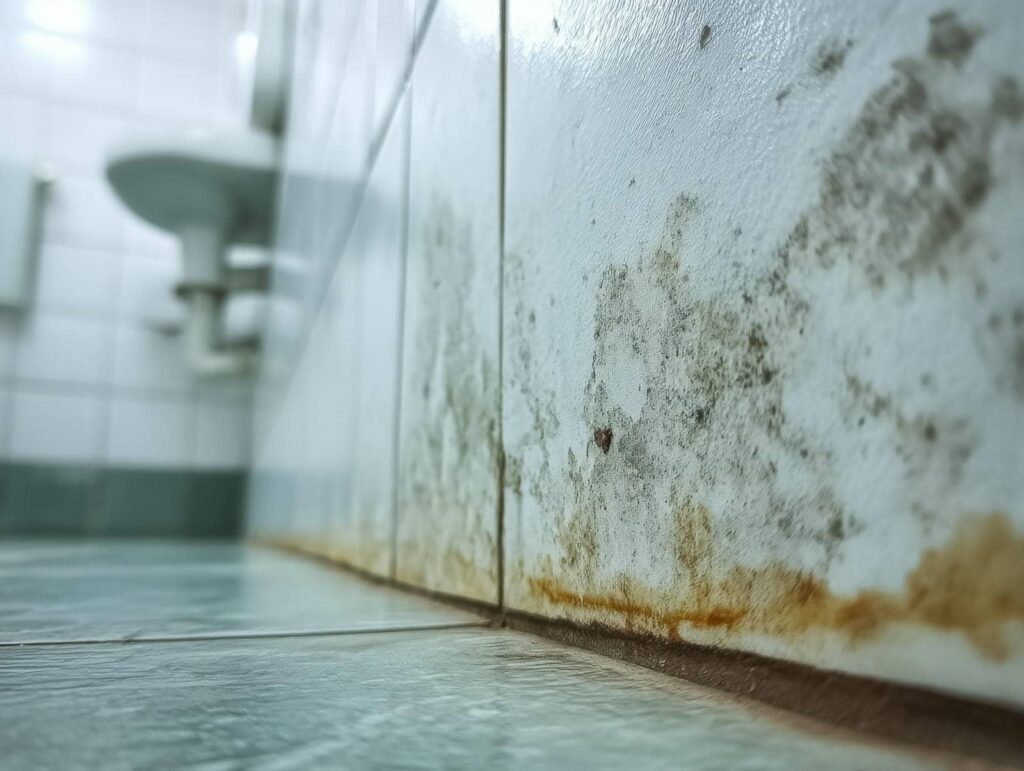
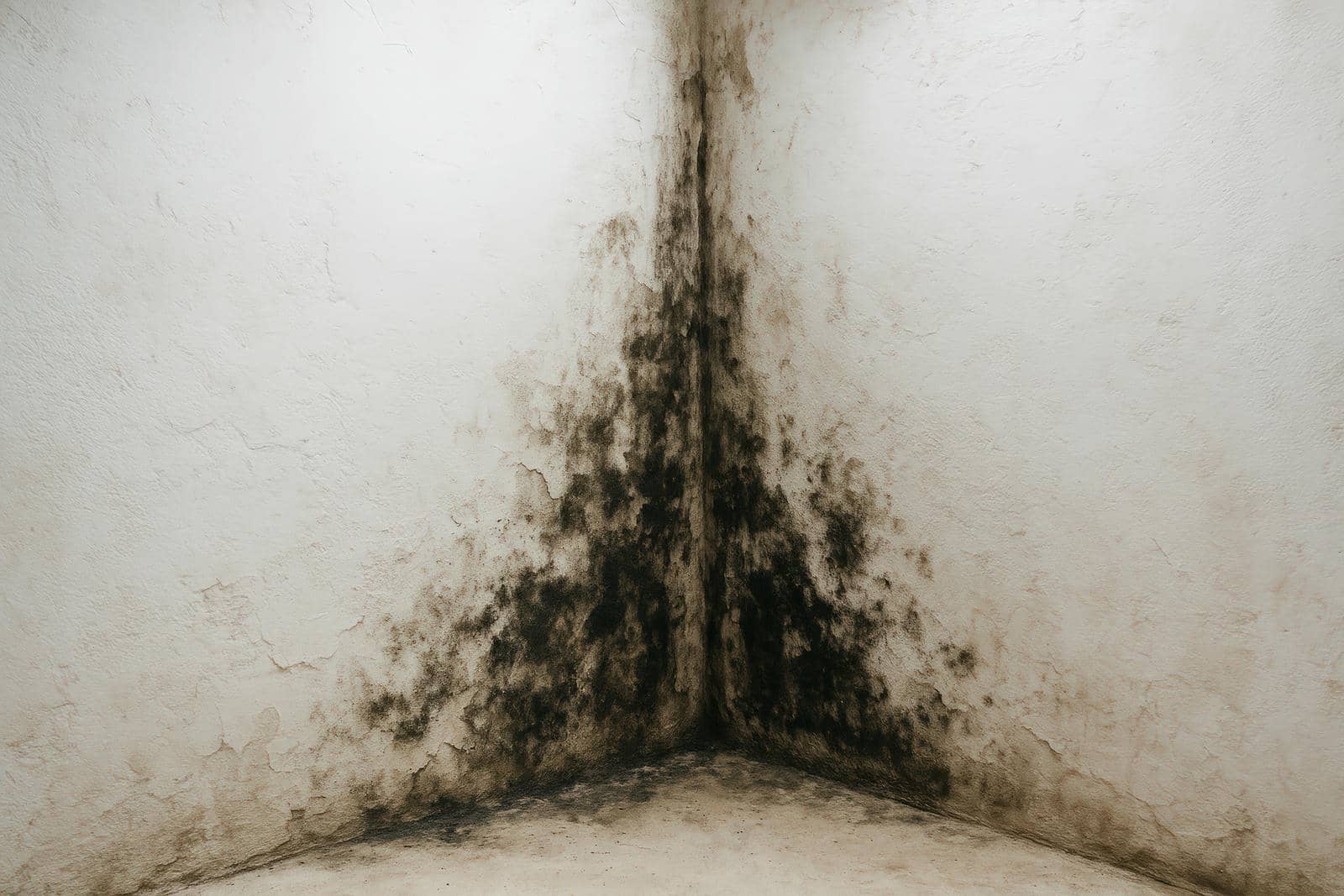
To determine if mold is present in your home, use mold detection methods like visual inspection and odor checks. Look for signs of mold, such as discoloration on walls, musty smells, or water damage.
What Are the Health Risks Associated With Mold Exposure?
Mold’s like a silent intruder, creeping into your home. You may experience mold symptoms such as respiratory issues, allergies, and fatigue. Recognizing these risks helps you protect your health and create a safer living environment.
Can I Remove Mold Myself, or Should I Hire a Professional?
You can remove mold yourself using DIY methods for small areas, but hiring a professional is advisable for extensive infestations. They’ll ensure thorough mold removal and help prevent future growth, protecting your home and health.
How Often Should I Inspect My Home for Mold?
You should conduct mold inspections at least twice a year, coinciding with seasonal changes. Regular seasonal mold checks help you identify potential issues early, maintain a safe environment in your home, and foster a sense of belonging.
Are There Specific Indoor Plants That Promote Mold Growth?
Certain indoor plants, like ferns and peace lilies, thrive in high humidity levels, which can inadvertently promote mold growth. You should monitor moisture levels and choose plants that suit your home’s environmental conditions to avoid issues.
Review
By following these ten tips, you can greatly reduce the risk of mold growth in your home. Keeping humidity levels low, ensuring proper ventilation, and promptly addressing leaks are essential steps. Regular inspections and using mold-resistant products can further protect your space. Stay proactive, and you’ll create an inhospitable environment for mold, safeguarding your health and home.