Contents
Imagine coming home to find water pooling in your basement from a burst pipe. 24/7 emergency water damage services are essential in these situations, providing immediate assistance to mitigate damage and restore your property. These professionals utilize advanced techniques for extraction and drying, ensuring a safe environment. But what exactly do these services entail, and how can they help you recover more effectively? Let’s explore the critical elements of emergency water damage response.
Key Takeaways
- 24/7 emergency water damage services provide immediate response to prevent further structural damage and reduce repair costs.
- These services utilize advanced water extraction techniques to remove standing water quickly and efficiently.
- Professionals conduct thorough mold remediation to ensure a safe and healthy living environment following water damage.
- Emergency teams assess damage, identify the source, and implement tailored solutions for various types of water incidents.
- Quick action by 24/7 services helps restore normalcy and comfort, minimizing stress for affected homeowners.
Understanding Water Damage
When you experience water damage, it’s crucial to understand its implications to address the issue effectively.
Water damage types can vary greatly, ranging from clean water leaks to more hazardous situations involving sewage or floodwaters. Each type poses different risks and requires tailored responses.
Conducting a damage assessment is a critical first step. This assessment helps you identify the source, extent, and potential hazards of the damage, ensuring you’re informed about what needs to be done next.
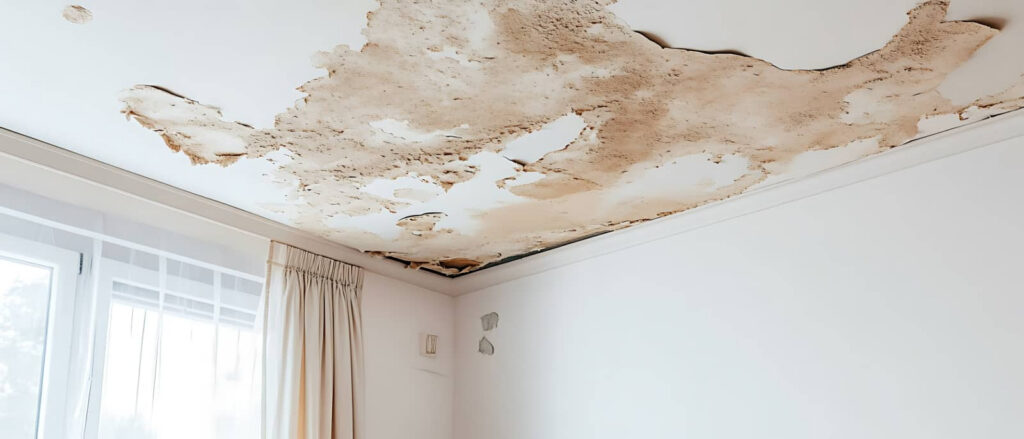
Look for signs such as discoloration, mold growth, or structural weakening, which can indicate severe issues.
Importance of Immediate Response
Taking swift action in response to water damage is essential, as delays can lead to more extensive problems. Quick response time can greatly impact the level of damage and your overall recovery process.
Here’s why immediate action matters for effective damage mitigation:
Prevents Structural Damage: The longer water sits, the more it can weaken your property’s structure.
Reduces Mold Growth: Mold can develop within 24-48 hours; rapid response helps minimize this risk.
Saves Money: Addressing the issue early can reduce repair costs and prevent more extensive damage.
Restores Comfort: A fast response helps you return to your normal routine sooner, reducing stress and disruption.
Services Offered by 24/7 Emergency Teams
When facing water damage, you can rely on 24/7 emergency teams to provide essential services.
They utilize advanced water extraction techniques, effective structural drying methods, and thorough mold remediation processes to restore your property.
These services ensure that your space is safe and dry, minimizing further damage and health risks.
Water Extraction Techniques
Although water damage can be devastating, effective water extraction techniques employed by 24/7 emergency teams can minimize its impact.
These professionals use various water removal methods to ensure your space is restored quickly and safely. Here are some key techniques you can expect during their emergency response:
Submersible Pumps: Ideal for removing large volumes of standing water.
Wet/Dry Vacuums: Used for smaller areas and residual moisture.
Portable Extractors: Effective for carpet and upholstery cleanup.
Thermal Imaging: Identifies hidden water pockets behind walls and floors.
Structural Drying Methods
After effective water extraction, the next step is structural drying, a crucial service offered by 24/7 emergency teams. This process helps prevent further damage to your property.
Teams typically use two methods: industrial drying and natural drying.
Industrial drying involves utilizing powerful equipment like dehumidifiers and air movers to quickly remove moisture from affected areas. This method is particularly effective for large spaces or when quick action is critical.
On the other hand, natural drying relies on the airflow and ambient conditions to evaporate moisture. While it’s less aggressive, it can be suitable for smaller areas or when the weather permits.
Choosing the right method ensures your home is safe and dry, providing peace of mind during a stressful time.
Mold Remediation Processes
Mold remediation is essential if you’ve experienced water damage, as it helps restore your property to a safe and healthy environment.
24/7 emergency teams employ a systematic approach to identify, contain, and eliminate mold growth. They use effective remediation techniques tailored to your specific situation, ensuring thoroughness and safety.
Here’s what you can expect from the mold remediation process:
Assessment: Inspecting the property to identify mold sources and affected areas.
Containment: Isolating the affected areas to prevent mold spores from spreading.
Removal: Safely removing contaminated materials and cleaning surfaces.
Prevention: Implementing measures to prevent future mold growth, ensuring a healthier environment.
With these steps, you’re on the path to a mold-free home.
The Water Extraction Process
When water damage strikes, the first critical step is the water extraction process, which swiftly removes standing water from your property.
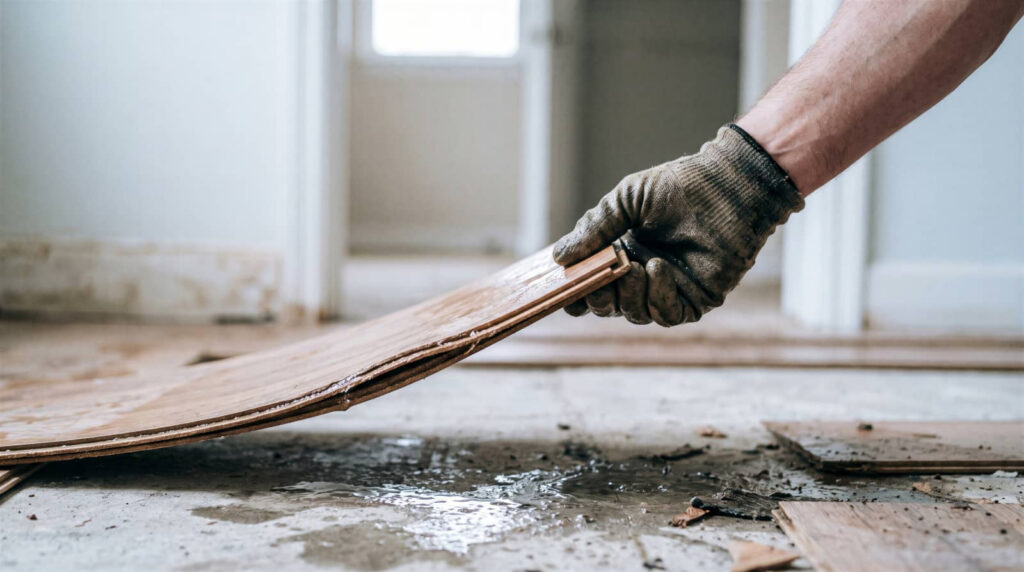
In this phase, emergency response teams employ effective water removal techniques to minimize further damage. They’ll assess the situation, using powerful pumps and vacuums to extract water from floors, carpets, and other affected areas.
Understanding the urgency of the situation, the professionals work quickly, ensuring that no residual moisture remains.
They’ll also inspect hidden spaces, like crawl spaces and walls, where water might linger. This thorough approach helps prevent mold growth and structural issues.
Drying and Dehumidification Techniques
Effective drying and dehumidification techniques are essential in the aftermath of water damage to restore your property.
By implementing the right methods, you can effectively manage moisture control and prevent further issues.
Here are key techniques to take into account:
Air Movers: Use high-velocity fans to enhance airflow and expedite the drying process.
Dehumidifier Types: Choose from refrigerant or desiccant dehumidifiers based on your environment and specific needs.
Heat Source: Applying gentle heat can accelerate evaporation, helping to dry out the affected areas faster.
Moisture Meters: Utilize these tools to monitor humidity levels and verify that moisture is effectively removed.
Mold Remediation and Prevention
When water damage occurs, taking immediate action is essential to prevent mold growth.
You’ll need effective mold removal techniques to address any existing issues, as well as long-term prevention strategies to protect your space.
Understanding these steps can help you maintain a healthy environment and avoid future complications.
Importance of Immediate Action
Although water damage may seem manageable at first, taking immediate action is essential for preventing mold growth and its associated health risks. Quick response time can considerably aid in damage mitigation, ensuring your home remains safe and healthy.
Here’s why acting fast matters:
Prevents Mold Growth: Mold can develop within 24-48 hours after water exposure.
Reduces Health Risks: Prolonged exposure can lead to respiratory issues and allergies.
Minimizes Damage: Quick action helps limit structural damage and costly repairs.
Saves Time and Money: Early intervention can prevent extensive remediation efforts.
Effective Mold Removal Techniques
Mold remediation requires a proactive approach to ensure your home stays safe and healthy. To tackle mold growth effectively, you should follow these essential techniques:
| Step | Action | Importance |
|---|---|---|
| Identify | Locate mold sources | Prevents further spread |
| Contain | Seal affected areas | Protects unaffected spaces |
| Remove | Use appropriate cleaners | Ensures thorough removal |
| Dry and ventilate | Reduce moisture levels | Stops mold from returning |
Adopting these prevention strategies is essential in maintaining a mold-free environment. Regular inspections and immediate action upon noticing moisture can help you protect your home and loved ones. Remember, a proactive stance is critical for a healthy living space.
Long-term Prevention Strategies
To maintain a mold-free environment, implementing long-term prevention strategies is crucial.
Here are some effective measures you can take:
Use waterproofing methods: Verify your home’s exterior is treated with waterproofing solutions to prevent moisture intrusion.
Install drainage solutions: Proper drainage systems, such as gutters and downspouts, help redirect water away from your foundation.
Maintain humidity levels: Keep indoor humidity below 60% using dehumidifiers and proper ventilation in high-moisture areas like bathrooms and kitchens.
Regular inspections: Check for leaks and water damage regularly, addressing any issues promptly to prevent mold growth.
Assessing Structural Damage
When dealing with water damage, evaluating structural damage is vital to ensuring the safety and integrity of your property. Start your damage assessment by inspecting visible signs, like cracks in walls, sagging ceilings, or warped floors. These indicators can reveal underlying issues that might compromise your property’s structural integrity.
Next, don’t forget to check areas like the foundation and basement, where water often collects. Look for mold growth, which can signal prolonged moisture exposure and further structural concerns.
It’s important to act quickly; the longer you wait, the more severe the damage can become. If you’re unsure about your findings, consider hiring a professional to perform a thorough evaluation. They can provide expert insights and help you determine the best course of action to restore your property.
Prioritizing these assessments protects your investment and ensures a safe environment for you and your loved ones.
Insurance Claims Assistance
After addressing structural damage, the next step often involves maneuvering through the complexities of insurance claims.
Steering through this process can seem overwhelming, but with the right guidance, you can simplify it. Here’s how to effectively handle your insurance policy and claim process:
Review Your Policy: Understand the coverage details and exclusions related to water damage.
Document the Damage: Take photos and notes of all affected areas, which will support your claim.
Contact Your Insurer: Notify them as soon as possible to initiate the claim process.
Keep Records: Maintain a detailed log of all communications and expenses related to the water damage.
Choosing the Right Service Provider
How do you choose the right service provider for water damage restoration? Start by evaluating their service provider qualifications. Look for certifications, experience, and specialized training in water damage mitigation. Next, assess their customer service. A provider that prioritizes communication and responsiveness can make a stressful situation much easier.
Here’s a quick comparison to guide your decision:
| Criteria | Importance |
|---|---|
| Certifications | Ensures expertise |
| Response Time | Affects restoration efficiency |
| Customer Reviews | Reflects reliability |
| Insurance Compatibility | Streamlines claims process |
Preparing for Future Water Damage Risks
To effectively prepare for future water damage risks, you should first assess your property’s vulnerability.
Conducting a thorough risk assessment will help you identify weak points that may lead to water damage. By taking proactive steps, you can enhance your water damage preparedness and protect your home.
Here are four key actions to reflect on:
Inspect your plumbing: Regularly check for leaks, corrosion, or wear in pipes and fixtures.
Maintain gutters and downspouts: Verify they’re clear of debris to direct water away from your foundation.
Seal windows and doors: Use weather stripping and caulk to prevent water intrusion during storms.
Install a sump pump: This can help manage excess water, especially in basements.
Frequently Asked Questions
How Quickly Can I Expect a Response From Emergency Services?
You can typically expect response times from emergency services within an hour, depending on their service availability. Quick action is essential, so don’t hesitate to reach out when you need help with water damage.
What Should I Do Before Help Arrives?
Before help arrives, prioritize safety precautions. Turn off electrical sources, avoid standing water, and move valuables to higher ground. Taking these initial steps can prevent further damage and ensure you’re ready for the professionals.
Are These Services Available on Holidays?
Yes, emergency response services are available on holidays. When water damage strikes, you can count on prompt assistance, ensuring your home’s safety and restoring peace of mind, no matter the day or time.
How Much Do Emergency Water Damage Services Typically Cost?
When disaster strikes, you want to know the cost factors of emergency water damage services. Typically, prices vary based on severity and insurance coverage; understanding these can help alleviate your worries during such stressful times.
Do I Need to Be Present During the Service?
You don’t always need to be present during the service, but it’s helpful. Understanding the presence requirements can ensure you’re informed about the service protocol and any necessary access for effective water damage resolution.
Summary
In the face of unexpected water damage, think of 24/7 emergency water damage services as your modern-day lifeline, much like the heroic figures that rush in during a storm. Acting quickly can save your home and health from further harm. By understanding their offerings and being prepared, you can take proactive steps to safeguard your property. Don’t wait for the floodwaters to rise; reach out for help and ensure your peace of mind today.