Contents
Roof Repair Techniques begin with a careful inspection after a storm to help prevent further damage. Start by using binoculars to look for missing shingles, damaged flashing, sagging areas, or signs of leaks from the ground. Once you’ve identified potential problem areas, make temporary repairs, such as covering exposed sections with a tarp, to protect your home until permanent repairs can be completed. Choosing the right materials and repair methods is important, but knowing when to call a professional roofing contractor can make all the difference in preserving your roof’s long-term integrity.
Key Takeaways
Conduct a thorough inspection with binoculars to identify missing shingles, cracked tiles, and visible leaks after the storm.
Use tarps or plastic sheeting to cover exposed areas and prevent further water intrusion until permanent repairs can be made.
Reinforce damaged sections with plywood boards to protect against wind and additional storm damage.
Apply roofing cement or sealants to temporarily seal leaks and protect against moisture while waiting for professional repairs.
Document all damage with photos and detailed notes to support any insurance claims related to the storm damage.
How to Assess Roof Damage Quickly
How can you quickly assess roof damage after a storm? Start with a thorough roof inspection.
Grab binoculars to look for missing shingles, cracked tiles, or evident leaks. Pay attention to any sagging areas, which could indicate structural issues.
Next, check your gutters and downspouts for debris and shingle granules; these can signal significant roof damage. Document your findings for a detailed damage assessment.
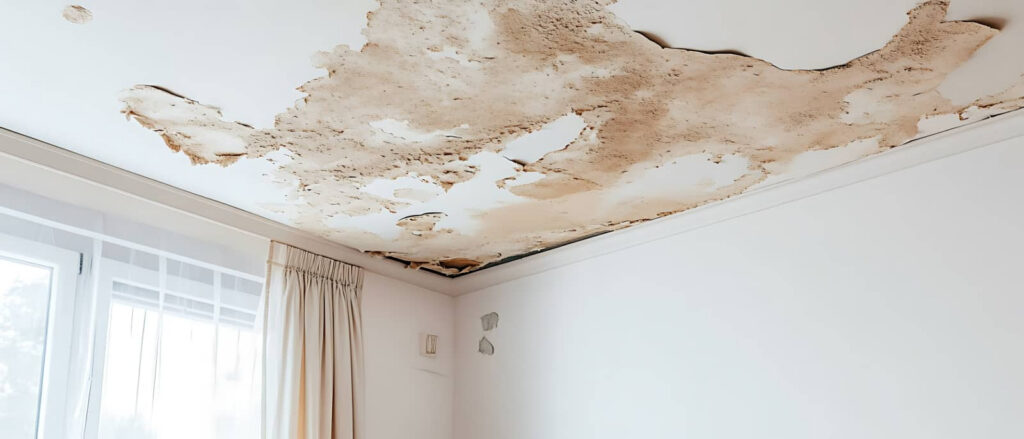
If it’s safe, climb a ladder to inspect the roof’s edges and valleys closely. Remember to check for water stains on your ceilings indoors, as they can reveal hidden leaks.
Temporary Repairs to Prevent Further Damage
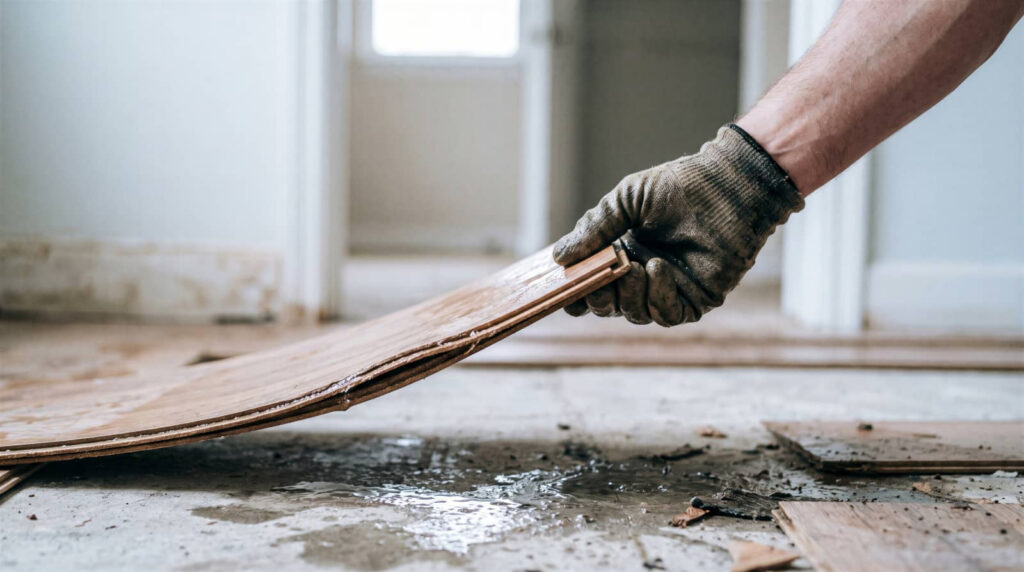
After evaluating your roof for damage, it’s essential to implement temporary repairs to prevent further issues. Quick actions can minimize risks, especially concerning leak prevention and wind resistance. Start by covering exposed areas with tarps or plastic sheeting, securing them firmly to withstand gusty winds. Use plywood to reinforce damaged sections if needed.
Here’s a table summarizing effective temporary repair methods:
| Repair Method | Purpose |
|---|---|
| Tarps/Plastic Sheets | Leak prevention |
| Plywood Boards | Wind resistance |
| Duct Tape | Securing loose materials |
These steps guarantee your home remains protected until professional repairs can be made. Taking these precautions fosters a sense of community as you safeguard your living space.
Best Materials for Emergency Roof Repairs
When you face emergency roof repairs, choosing the right materials is essential.
Tarps and plastic sheeting offer immediate protection against the elements, while roofing cement and sealants provide a durable solution for sealing leaks.
Understanding how to effectively use these materials can help you minimize damage until permanent repairs are possible.
Tarps and Plastic Sheeting
In emergency roof repairs, using effective materials can make all the difference, and tarps and plastic sheeting are among the best options available.
Tarps are durable and water-resistant, making them ideal for covering damaged areas. For proper tarp installation, make sure you secure the edges tightly with nails or weights to prevent wind from displacing the material.
Plastic sheeting, while less robust, can still provide a temporary barrier against moisture. When using plastic sheeting, overlap the edges and seal them with tape to enhance waterproofing.
Both materials are lightweight and easy to handle, allowing you to act quickly. Remember, these solutions are temporary; you’ll want to follow up with permanent repairs once the storm has passed.
Roofing Cement and Sealants
While tarps and plastic sheeting can provide immediate relief, roofing cement and sealants are essential for more durable emergency repairs. These materials offer lasting protection against leaks and further damage.
When choosing your products, consider these key sealant types:
Asphalt-based sealants: Ideal for roofing applications, they adhere well to various surfaces.
Silicone sealants: Excellent for areas exposed to moisture, they provide flexibility and durability.
Polyurethane sealants: Strong and versatile, these are great for high-stress areas.
Rubberized roofing cement: Perfect for patching and sealing, it expands and contracts with temperature changes.
When to Hire a Professional Roofer for Roof Damage?
How can you determine if it’s time to call in a professional roofer for storm damage? If you notice significant leaks, curling shingles, or missing tiles, it’s wise to seek expert help. A thorough roof inspection can reveal underlying issues you might miss.
Consider these factors when deciding:
| Situation | Action | Contractor Qualifications |
|---|---|---|
| Visible leaks indoors | Hire a professional | Licensed and insured |
| Extensive shingle damage | Get an expert assessment | Experience with storm damage repairs |
| Structural concerns | Immediate consultation needed | References and positive reviews |
| Roof age over 15 years | Schedule an inspection | Manufacturer certifications |
| DIY repairs unsuccessful | Seek professional help | Warranty on repairs |
Trusting qualified contractors guarantees your roof’s integrity and safety.
How to Navigate Insurance Claims for Roof Damage
When managing insurance claims for roof damage, it’s essential to first understand your policy coverage.
Make sure you thoroughly document all damage with clear photos and detailed notes, as this will support your claim.
Knowing these steps can greatly streamline the process and help you secure the funds needed for repairs.
Understand Your Policy Coverage
What do you need to know about your insurance policy before filing a claim for roof damage? Understanding your coverage is essential to ensuring you’re adequately protected. Here are four key points to keep in mind:
Policy Limitations: Check the maximum amount your insurer will pay for roof repairs or replacements.
Claim Exclusions: Familiarize yourself with what’s not covered, such as wear and tear or specific types of damage.
Deductibles: Know your deductible amount; this will affect your out-of-pocket costs when making a claim.
Time Limits: Be aware of how long you have to file a claim after the damage occurs.
Document Damage Thoroughly
While evaluating storm damage, it’s essential to document everything meticulously to support your insurance claim. Start by creating a damage checklist that includes all affected areas, noting specifics like missing shingles or leaks.
For each item, take clear photographic evidence, capturing various angles and close-ups. This visual documentation not only strengthens your claim but also helps your insurance adjuster understand the extent of the damage.
Don’t forget to include images of any water intrusion or interior damage, as these may be vital for your case. Organize your photos and checklist logically, making it easy to present to your insurer.
Taking these steps can greatly improve your chances of a smooth and successful claims process.
Regular Roof Maintenance Tips to Prevent Storm Damage
To effectively prevent storm damage, regular roof maintenance is essential for homeowners.
By incorporating preventive inspections and seasonal maintenance into your routine, you can safeguard your roof’s integrity.
Here are four key tips to follow:
Conduct Regular Inspections: Check for missing or damaged shingles and verify flashing is intact.
Clean Gutters and Downspouts: Remove debris to prevent water buildup that can lead to leaks.
Trim Overhanging Branches: Keep trees pruned to reduce the risk of fallen limbs during storms.
Seal Vulnerable Areas: Apply roofing sealant around chimneys, vents, and other openings to enhance waterproofing.
Frequently Asked Questions
How Can I Tell if My Roof Needs Complete Replacement?
You can tell if your roof needs complete replacement by checking for extensive leaks, missing shingles, or visible sagging. If it’s nearing its roof lifespan, consider the replacement cost against potential repairs and ongoing maintenance.
What Tools Do I Need for DIY Roof Repairs?
What tools do you need for DIY roof repairs? You’ll want roofing materials, a sturdy ladder, safety equipment like harnesses, a utility knife, and a hammer. These essentials guarantee you stay safe while working effectively.
How Long Do Temporary Repairs Typically Last?
Temporary repairs typically last a few weeks to several months, depending on the weather impact. Factors like wind, rain, and temperature fluctuations can shorten the temporary repair lifespan, so keep monitoring your roof’s condition closely.
Are There Specific Signs of Hidden Roof Damage?
You should look for signs like shingle damage, water stains on ceilings, or mold growth. Employ leak detection methods to uncover hidden issues, ensuring your roof remains safe and your home stays protected from further damage.
Can I Repair My Roof During Bad Weather?
You shouldn’t repair your roof during bad weather. Focus on safety precautions first. Instead, wait for conditions to improve, then assess damage and perform emergency repairs to guarantee your safety and the integrity of your home.
Wrap-Up
In the aftermath of a storm, think of your roof as a steadfast ship weathering turbulent seas. You’ve assessed the damage, secured temporary repairs, and chosen your materials wisely. Just as a captain knows when to call for reinforcements, don’t hesitate to hire a professional if the damage is extensive. Keep your vessel maintained to navigate future storms smoothly. By being proactive, you guarantee that your roof remains a reliable shelter, steadfast against the elements.