Contents
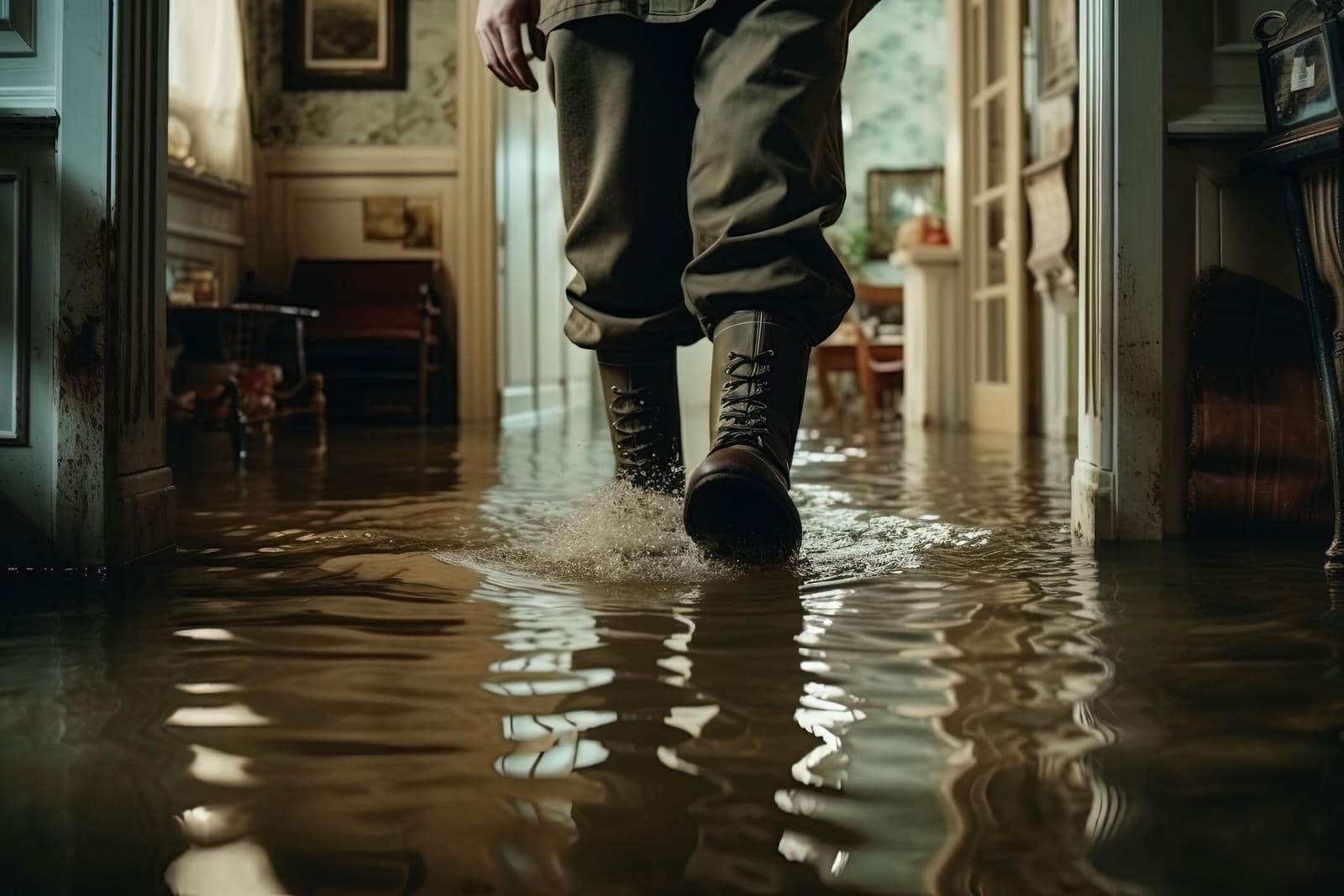
Imagine standing in a waterlogged room, the remnants of your belongings scattered like fallen leaves. When flood damage strikes, knowing how to respond is vital. You need a structured approach to cleanup and repair. From evaluating the damage to employing the right professionals, every step matters. Understanding the importance of certified flood cleanup can set the foundation for effective recovery and future prevention. Let’s explore essential strategies to navigate this challenging situation.
Key Takeaways
- Ensure professionals have verified certifications to guarantee expertise in flood cleanup and repair methods.
- Utilize advanced tools like water extraction pumps and dehumidifiers for efficient restoration.
- Document all damage thoroughly to support insurance claims and facilitate recovery efforts.
- Prioritize safety by using personal protective equipment (PPE) during the cleanup process.
- Implement preventive measures, such as maintaining drainage systems, to reduce future flood risks.
Why Certified Flood Cleanup Matters
When a flood strikes, you might think you can handle the cleanup yourself, but opting for certified flood cleanup services is essential for several reasons.
First, professionals understand the technicalities of water damage and mold prevention, ensuring your property is restored safely and effectively. They’re often equipped with advanced tools that expedite the process and minimize further damage.
Additionally, certified services often coordinate with your flood insurance provider, ensuring you receive the coverage you deserve. This partnership can also connect you with community resources, such as grants or support programs, enhancing your recovery experience.
Essential Steps for Effective Flood Damage Assessment
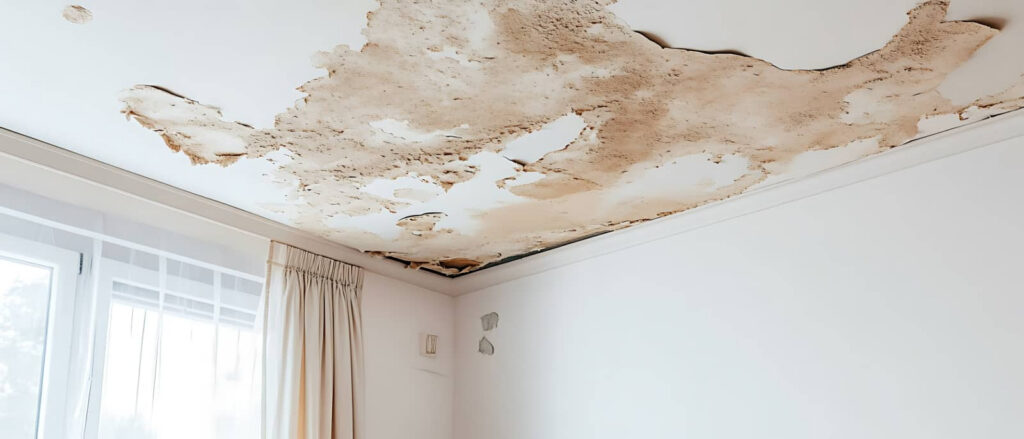
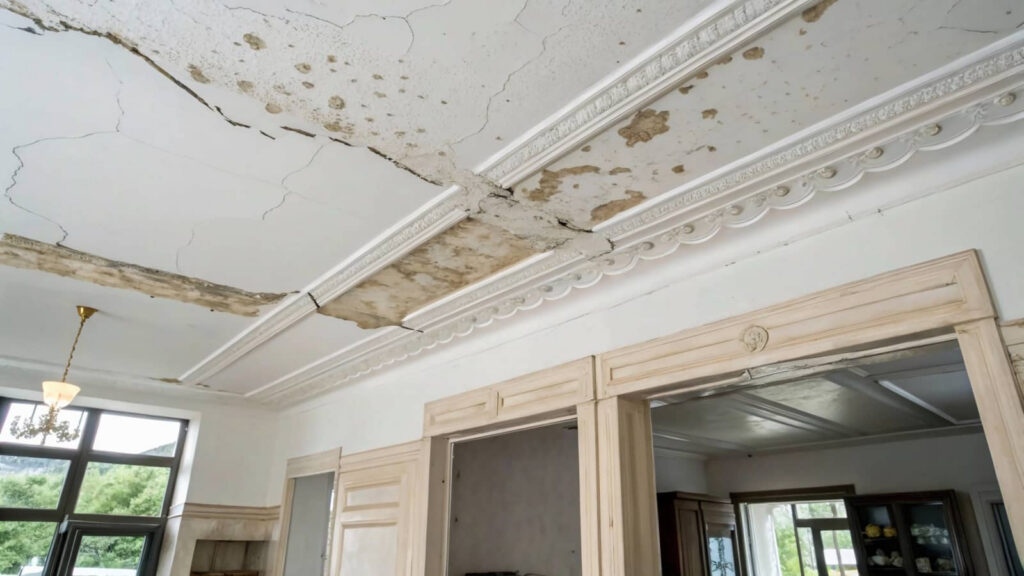
Effective flood damage assessment involves a systematic approach to guarantee all affected areas are identified and evaluated. Start by documenting the flood impact, noting water levels and visible damage. Next, prioritize areas based on severity and potential risks, such as structural integrity and electrical hazards. Conduct a thorough damage evaluation, using the table below to assist in your assessment.
| Area Affected | Type of Damage | Immediate Action Needed |
|---|---|---|
| Basement | Water intrusion | Pump out water |
| Walls | Structural damage | Inspect for stability |
| Electrical Systems | Short-circuit risk | Shut off power |
| Furniture | Waterlogged | Remove and dry |
Following these steps guarantees a detailed understanding of the damage, facilitating effective recovery efforts.
Choosing Certified Flood Cleanup Professionals
A reliable professional should have completed the certification process, demonstrating their knowledge of industry standards and best practices. Look for certifications from recognized organizations, which can provide peace of mind that you’re working with trained experts.
Don’t hesitate to ask for references and case studies that showcase their successful projects. This due diligence not only helps you select a competent team but also fosters a sense of belonging within a community that values quality service.
Ultimately, the right professionals will prioritize your safety and satisfaction throughout the recovery journey.
Essential Tools for Flood Restoration
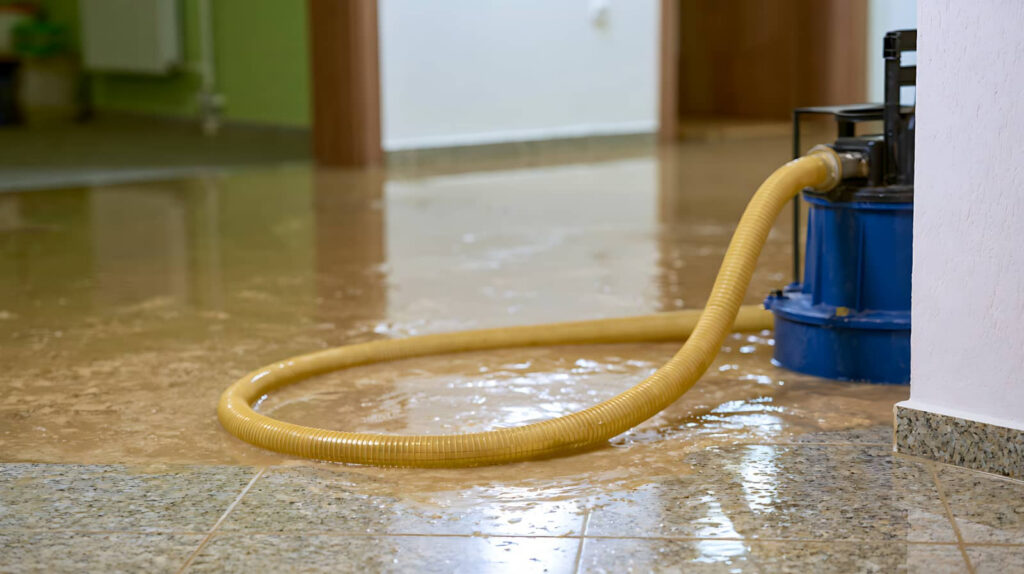
Having the right tools for flood restoration is crucial for a successful recovery. Start with high-capacity water extraction pumps to remove standing water swiftly and efficiently.
You’ll also need industrial-grade dehumidifiers to prevent moisture buildup, which can lead to mold growth. For mold remediation, invest in personal protective equipment (PPE) like masks and gloves to guarantee your safety while handling contaminated materials.
Additionally, use moisture meters to accurately assess damp areas, guiding your restoration efforts. Cleaning and sanitizing tools, including pressure washers and disinfectants, are essential for ensuring surfaces are safe and mold-free.
Finally, thermal imaging cameras can help identify hidden moisture pockets, leading to a thorough and effective restoration process. Equip yourself wisely to foster community resilience.
How to Prevent Future Flood Damage
While you can’t control the weather, you can take proactive steps to minimize future flood damage to your property. Start by evaluating your drainage systems; make sure they’re clear of debris and functioning properly. Regular maintenance can greatly reduce water accumulation around your foundation.
Consider installing water barriers or flood gates, especially if you live in a flood-prone area. These structures can effectively redirect water away from your home, safeguarding your investment.
Additionally, think about grading your landscape to promote drainage away from the building. Elevating electrical systems and appliances can also offer protection.
Frequently Asked Questions
What Is the Average Cost of Certified Flood Cleanup Services?
Certified flood cleanup services typically range from $3,000 to $7,000, depending on the extent of damage. Understanding flood cleanup pricing helps you prepare for certified restoration costs, ensuring you’re ready for effective recovery.
How Long Does the Flood Restoration Process Typically Take?
The flood restoration timeline varies but typically takes several days to weeks. Factors affecting duration include water damage extent, material types, and drying conditions. Each situation’s unique, much like a fingerprint in a flood’s aftermath.
Are There Insurance Options for Flood Damage Coverage?
Yes, you’ve got flood insurance options, including standard policies and endorsements. However, be aware of coverage limitations, as certain damages might not be included. Always review your policy to guarantee adequate protection against potential losses.
Can I Perform Flood Cleanup Myself if Certified Professionals Are Unavailable?
Yes, you can perform DIY cleanup if certified professionals are unavailable, but prioritize safety precautions. Wear protective gear, guarantee proper ventilation, and be cautious of electrical hazards and contaminated water to protect yourself effectively.
What Health Risks Are Associated With Floodwaters?
Floodwaters can hide lurking health hazards, including bacteria and viruses in contaminated water. You might expose yourself to serious infections, respiratory issues, and gastrointestinal problems. Always prioritize safety; the risks aren’t worth the potential consequences.
Summary
Opting for certified flood cleanup is essential for effective restoration and future safety. By understanding the importance of professional expertise, thorough damage assessment, and utilizing the right tools, you can navigate the recovery process with confidence. Remember, prevention is always better than cure; implementing proactive measures can greatly reduce the risk of future flooding. Embrace these steps not just as a routine, but as a commitment to safeguarding your property and well-being.