Contents
After water damage, you’re dealing with more than structural cleanup; you’re also creating conditions that attract termites, ants, roaches, rodents, and mosquitoes. If you don’t remove moisture, seal access points, and target active hotspots fast, infestations can spread before you notice them. The most effective pest control steps depend on the type of damage, the affected materials, and the hidden areas most people overlook. Here’s what you need to know. Choosing the right pest control after water damage helps you stop infestations before they spread.
Key Takeaways on Pest Control After Water Damage
- Dry affected areas immediately to remove moisture that attracts pests and supports infestations.
- Inspect baseboards, wall cavities, crawl spaces, and pipes for ants, roaches, termites, rodents, and silverfish.
- Seal gaps, softened drywall, roof leaks, and pipe openings with durable materials like metal mesh and caulk.
- Use targeted baits, sprays, or dusts on damp entry points after drying, following label instructions carefully.
- Call a pest control professional if activity persists, odors remain, or nesting is hidden behind damaged materials.
Why Water Damage Attracts Pests
When water damage occurs, it creates conditions that many pests actively seek out: moisture, shelter, and easy access to food sources. Fast action is the core of effective pest control after water damage.
You’re dealing with more than visible stains; hidden dampness changes pest behavior by improving survival, reproduction, and movement through walls, floors, and insulation.
Moisture attraction draws insects and rodents toward saturated wood, softened drywall, and condensation zones, where they can stay protected and close to nesting sites.
You can reduce this risk by drying materials fast, fixing leaks, and sealing entry points before infestations establish.
If you act quickly, you protect your home, preserve structural integrity, and stay ahead of conditions pests rely on.
Fast response helps your household keep control, confidence, and peace of mind after damage.
What Pests Show Up After Water Damage?
After water damage, you’ll often see ants, cockroaches, termites, silverfish, centipedes, and rodents move in first because damp materials, hidden voids, and softened building components make shelter easier to find and exploit. Professional pest control after water damage targets both the pests and the moisture that attracts them.
In flood aftermath conditions, you should inspect baseboards, wall cavities, crawl spaces, and utility chases, since these zones retain moisture and support rapid colonization.
Good pest identification starts with track marks, droppings, shed skins, gnawing, and frass, which point to the species using your structure. You may also notice musty odors, nighttime activity, or damaged insulation before you see the pests themselves.
If you’re part of a shared recovery effort, you’ll help everyone faster by documenting signs early and keeping affected rooms dry, sealed, and accessible for professional assessment and coordinated control.
Spot Termites, Ants, and Roaches
To spot termites, ants, and roaches after water damage, check the areas where moisture lingers and structural materials have softened. Skipping pest control after water damage often leads to repeat infestations.
You can use termite detection by looking for mud tubes, blistered wood, and hollow-sounding trim.
For pest identification, note ant behavior: worker trails, clustered entry points, and nesting near damp seams.
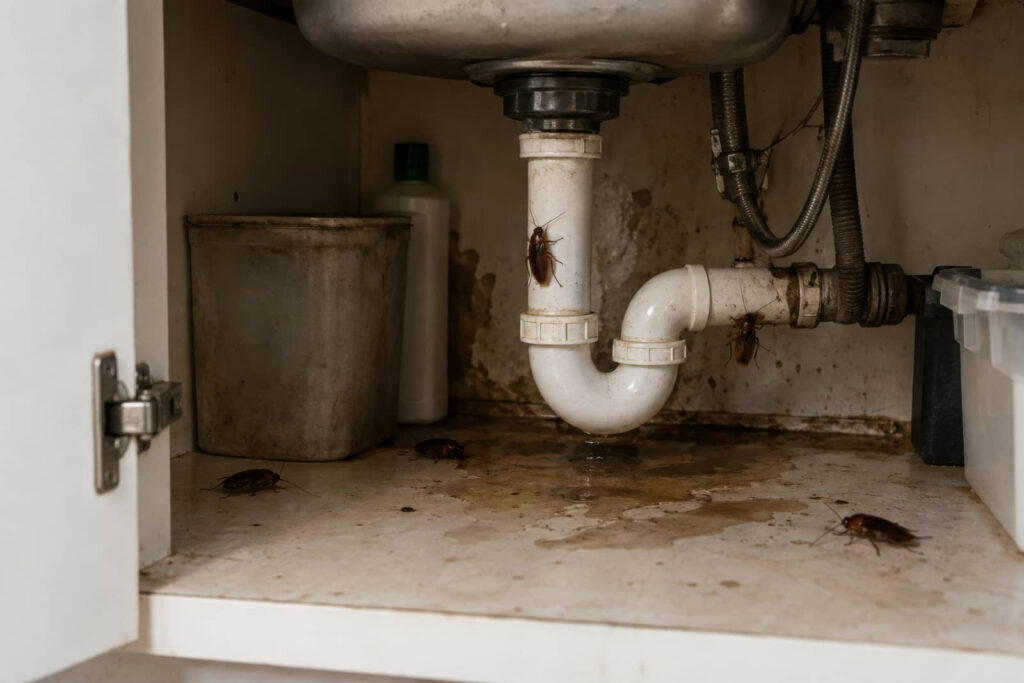
Roach habits often include hiding behind baseboards, under sinks, and in dark crevices, with droppings or egg cases as clear signs.
Inspect any warped surfaces, loose wallpaper, and musty corners where pests thrive.
When you document each clue, you help your team act fast and restore control.
Stay alert, trust the signs, and you’ll fit right in with a proactive, informed response after water damage.
Check Wet Walls for Rodents
Wet walls can quickly become a hidden entry point for rodents after water damage, especially where softened drywall, swollen baseboards, or gaps around pipes create access. Good pest control after water damage starts with a thorough inspection.
You should inspect these areas closely, because rodent behavior often shifts toward concealed travel routes when structures stay damp. Look for gnaw marks, greasy rub marks, droppings, and scratching sounds inside wall cavities.
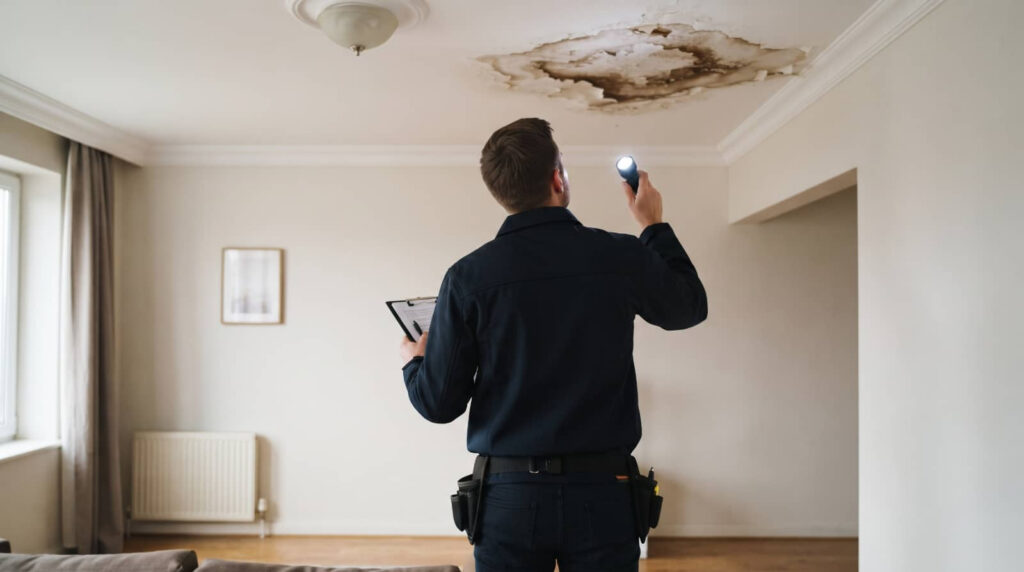
During wall inspections, use a flashlight and check lower edges, utility penetrations, and any warped trim. If you find fresh activity, seal openings with metal mesh and repair moisture damage right away.
You’re not dealing with this alone; careful inspection helps your property stay protected and keeps your home community healthy. Avoid trapping moisture behind finishes, since that can keep attracting rodents and complicate control efforts.
Find Mosquito Breeding Spots
You should inspect hidden standing water first, because even small pooled areas can support mosquito larvae after water damage. Ask any provider how they handle pest control after water damage in hidden areas like crawl spaces.
Check damp debris areas and roof gutter pools next, since trapped moisture and organic buildup create ideal breeding sites.
Remove or drain these locations quickly to interrupt mosquito development and reduce reinfestation risk.
Hidden Standing Water
Where does standing water hide after a flood or leak? You’ll often find it in floor cavities, under appliances, inside wall voids, and beneath raised fixtures.
These hidden hazards create stagnant water that mosquitoes use to breed fast, even when the surface looks dry. You need to inspect with a flashlight, moisture meter, and careful touch along baseboards, drain pans, and crawl spaces.
If water smells musty or you see ripples, treat that area as active. Pump, mop, or vacuum the water, then improve airflow and dehumidification right away.
Seal entry points so fresh water can’t collect again. When you act quickly, you protect your home, support your pest-control plan, and keep your household safer from repeated mosquito problems.
Damp Debris Areas
After water damage, damp debris like leaves, cardboard, insulation scraps, and mulch can trap moisture long enough for mosquitoes to lay eggs. You should inspect these piles closely, because even small pockets of moisture retention can sustain larvae.
During damp debris cleanup, remove material in sealed bags, then dry the underlying surface so hidden eggs don’t survive. You’ll want to check shaded corners, wall edges, and any layered debris where air can’t circulate.
If you leave wet organic matter in place, it keeps feeding mosquito development and invites more pests into your space. Work methodically, wear gloves, and treat every damp cluster as a possible breeding site.
When you clear it completely, you reduce risk and help your household recover faster together.
Roof Gutter Pools
Roof gutter pools can become hidden mosquito nurseries within days, especially when water damage leaves leaf litter, shingle grit, or warped gutter sections that block drainage.
You should inspect every downspout, seam, and elbow for standing water after rain. Use a flashlight and check for slimy biofilm, which can support larvae.
Prioritize gutter maintenance by clearing obstructions, resealing leaks, and correcting slope so water moves off the roof quickly. If you see persistent pooling, flush the line and test flow to confirm full drainage.
Protect pool cleanliness around nearby tubs or rain barrels by keeping lids tight and emptying overflow trays.
When you act early, you reduce breeding sites, lower indoor mosquito pressure, and support a healthier property after water damage.
Stop Mold and Moisture Fast
Once the water is gone, you need to stop mold and excess moisture immediately because both create ideal conditions for pest activity. The right pest control after water damage plan also protects your home’s structure.
Dry walls, subfloors, and insulation with dehumidifiers, fans, and open airflow until readings return to normal. Remove soaked porous materials that can’t dry quickly, then inspect hidden cavities, trim, and underlayment for lingering dampness.
If mold appears, schedule mold remediation right away so spores don’t spread and attract insects that thrive in organic buildup.
Seal gaps, repair leaks, and install moisture barriers in crawl spaces, basements, and utility areas to block future intrusion.
You’re protecting your home and your household, and that quick response helps you stay ahead of infestations while keeping your space safe, stable, and ready for recovery.
How to Treat Pests After Water Damage
After water damage, you need to inspect moisture sources so you can identify where pests are breeding or entering. Many homeowners combine drying work with pest control after water damage for the best results.
Check leaks, standing water, wet insulation, and damp wall cavities, since these conditions support insect and rodent activity.
Then apply targeted treatments to the affected areas and use pest-specific control methods that match the infestation type.
Inspect Moisture Sources
Start by tracing every source of lingering moisture in the affected area, because pests stay active anywhere damp conditions persist.
You’ll need systematic moisture detection to find hidden leaks, soaked insulation, warped subfloors, and condensation around pipes, vents, and window frames. Use inspection techniques that combine visual checks, infrared readings, and a calibrated moisture meter so you can confirm where water remains trapped.
Pay close attention to baseboards, crawl spaces, under cabinets, and behind appliances, since these zones often shelter insects and rodents after flooding. Record each damp point, note the severity, and verify whether airflow is drying the material fully.
When you identify the source, you can coordinate with your pest-control team and your home’s repair plan, keeping your space safer, drier, and more secure.
Apply Targeted Treatments
With moisture sources mapped and drying underway, you can target the pests that the water damage attracted instead of treating the whole area blindly.
Focus on entry points, damp baseboards, wall voids, and any organic debris where insects and rodents shelter. Use targeted applications of baits, residual sprays, or dusts matched to the pest you identified, so you reduce exposure and improve control.
If you choose chemical treatments, follow the label exactly, ventilate the space, and keep children and pets away until surfaces dry.
Recheck treated zones after 48 hours and reapply only where activity continues.
You’re not alone in this process; a precise plan helps your home recover faster and keeps pests from regrouping.
When to Call a Pest Control Pro
If you spot persistent pest activity, hidden nesting, or damage spreading faster than you can manage, it’s time to call a pest control pro. Ongoing monitoring is part of reliable pest control after water damage.
You need expert help when moisture-driven pest behavior shifts from occasional sightings to coordinated nesting, feeding, or breeding. A pro can read infestation signs, identify the species, and measure the scope before the problem spreads into wall voids, insulation, or subfloor areas.
You’ll also benefit when over-the-counter products fail, odors linger, or droppings keep reappearing after cleanup. Technicians use calibrated tools, safe formulations, and monitoring to protect your home and your household.
Calling early helps you stay in control, reduce losses, and rejoin the community of homeowners who solve water-damage pest issues fast.
Seal Roof Leaks and Entry Points
Even small roof defects can keep feeding a post-flood pest problem, so you should seal leaks and close entry points as soon as the structure is dry enough for repairs.
Inspect shingles, flashing, vents, soffits, and chimney joints for gaps, stains, or lifted edges. During roof maintenance, replace damaged materials, then use compatible sealing methods like polyurethane caulk, metal flashing patches, and exterior-grade sealant at seams.
Check attic penetrations, pipe collars, and cable openings, because insects and rodents exploit tiny voids. You should also confirm that drip edges and fascia fit tightly, with no rot or separation.
When you work methodically, you protect your home’s envelope and help your household stay comfortable together, without giving pests a hidden route back inside.
Prevent Future Pests After Flood Cleanup
Once flood cleanup is complete, you should shift from removal to prevention by eliminating conditions that let pests recolonize.
Dry structural materials fast, run dehumidifiers, and monitor humidity below 60% so insects and rodents don’t find refuge. Dispose of soaked insulation, cardboard, and spoiled food promptly, then sanitize affected surfaces to remove attractants.
Store dry goods in sealed containers and keep garbage in tight-lidded bins. Inspect pipes, drains, and sump areas weekly for leaks, because even small moisture sources can support infestations.
Your preventive measures should include trimming vegetation away from walls and keeping mulch shallow. Use pest proofing tips like sealing gaps around utility penetrations and installing door sweeps.
When you stay consistent, you protect your home and keep your household confident.
Frequently Asked Questions
What Should I Do First After Finding Pests in Water-Damaged Areas?
You should identify the pest first, then isolate the area and remove moisture. Use pest identification tips, document damage, and apply remediation strategies quickly. You’ll protect your space and stay connected to a safer, healthier environment.
How Soon Can Pests Appear After a Flood?
Pests can appear within hours after a flood, especially ants, cockroaches, and rodents. Flood impact, humidity, and displaced nesting sites accelerate infestations, so you’ll want to inspect promptly and seal entry points fast.
Are My Belongings Safe From Pest Contamination After Water Damage?
Not always; think of belongings like open doors for pests. You can reduce contamination through prompt water damage cleanup, sealed storage, and pest prevention strategies, but you’ll need inspection, drying, and sanitation to keep items safe.
Can I Use DIY Pest Treatments on Soaked Materials?
No, you shouldn’t use DIY solutions on soaked materials. Moisture can trap residues, spread contamination, and hide pests. Dry, clean, and inspect first; then treat targeted, salvageable items with appropriate products or professional help.
Does Homeowners Insurance Cover Pest Control After Water Damage?
Usually, your homeowners insurance doesn’t cover pest control after water damage—how generous, if you adore surprise bills. You’ll need to check insurance policies for pest exclusions, because coverage usually skips infestations, cleanup, and related treatment costs.
Recap
You should act fast after water damage because pests move in quickly. Dry wet areas, seal gaps, and inspect walls, roofs, and standing water regularly. Use targeted treatments where you spot activity, and call a pro if pests keep returning. Staying proactive helps you protect your home and avoid bigger problems.
The best pest control after water damage keeps your home dry, safe, and pest-free. For more helpful guidance, read our post on why hire water damage repair experts.