Contents
After one storm, you might find ants, roaches, and mosquitoes moving in before the drywall dries, like a maintenance problem that turns into a health risk overnight. You need flood cleanup pest experts because they inspect hidden moisture, identify pest entry points, and apply targeted control before infestations spread. They also help you address roof leaks, wet insulation, and drainage issues. The real question is what they’ll find in your walls next.
Key Takeaways
- Flood cleanup pest experts identify hidden pest entry points, moisture damage, and contamination pathways after flooding.
- They remove conditions that attract pests, like standing water, debris, damp insulation, and decaying materials.
- Experts target common post-flood pests, including ants, cockroaches, silverfish, rodents, and mold-related infestations.
- They coordinate cleanup, sealing, and moisture control to prevent pests from breeding and spreading indoors.
- Hiring trained local professionals supports faster recovery, safer treatment, and long-term protection against reinfestation.
Why Flood Damage Needs Pest Experts
Floodwater creates ideal conditions for pests because it introduces moisture, debris, and hidden entry points that let insects and rodents move in quickly. Flood cleanup pest experts know where pests hide after the water recedes.
In flood aftermath, you need pest experts because they inspect structural voids, sanitation risks, and contamination pathways before problems spread. They identify where water-damaged insulation, soaked drywall, and trapped organic material support infestations.
You’ll get targeted pest prevention that fits your building’s layout, not guesswork. Experts also coordinate with cleanup crews to seal gaps, remove harborage, and apply controls safely around repaired areas.
That coordination protects your home, reduces repeat activity, and helps you feel confident you’re restoring your space with a team that knows what to look for and how to act fast.
How Floodwater Attracts Pests Fast
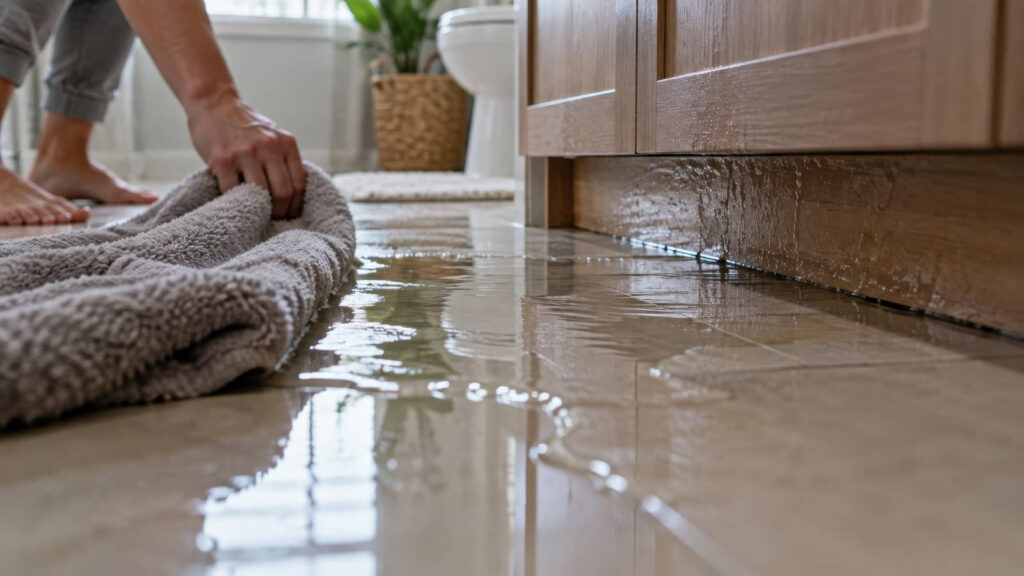
When standing water lingers, it changes your property in ways pests can exploit almost immediately. You create ideal conditions for pest reproduction because moisture, organic debris, and shelter all remain available. Hiring flood cleanup pest experts early saves you money on repeat treatments.
Floodwater sources often carry nutrients and contaminated residue that signal easy feeding zones, while damp walls and soaked insulation let insects move in unnoticed. If you wait, humidity rises, odors spread, and entry points stay open.
- Standing water supports rapid breeding cycles.
- Wet materials offer hidden nesting sites.
- Debris traps food and shelter together.
- Moisture keeps pests active longer indoors.
Common Pests After Flood Damage
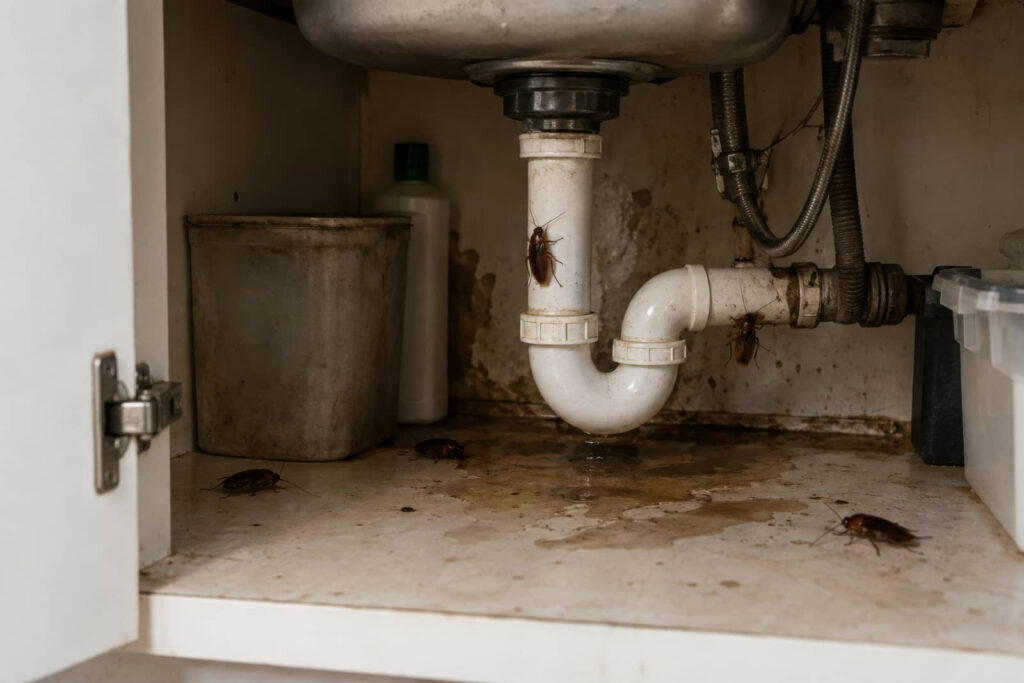
After flood damage, you’ll often see moisture-loving insects such as ants, cockroaches, and silverfish move into wet materials and hidden voids. Trained flood cleanup pest experts combine drying, sanitizing, and pest treatment in one plan.
You may also face rodent infestations, since saturated structures and displaced nesting sites give mice and rats easy access to food and shelter.
Mold growth can further attract pests by creating damp, decaying conditions that support breeding and contamination.
Moisture-Loving Insects
Even once standing water is gone, damp walls, soaked insulation, and hidden debris can attract moisture-loving insects such as silverfish, cockroaches, ants, and termites.
You need to inspect moisture sources fast, because insect behavior shifts toward sheltered, humid zones after flooding. Focus on these checks:
- Seal cracks where humidity lingers.
- Remove wet cardboard, wood, and paper.
- Dry crawlspaces, baseboards, and wall cavities.
- Monitor for droppings, shed skins, and frass.
When you act quickly, you reduce breeding sites and limit colony growth. You also protect your home’s structure and keep your household in control.
Flood cleanup pest experts can identify hidden harborage, target treatment precisely, and help you feel confident that your space is getting back to normal.
Rodent Infestations
Floodwater can also push rodents into your home, where they seek dry shelter, food, and nesting material in wall voids, attics, crawlspaces, and storage areas.
You’ll usually notice rodent behavior through gnaw marks, droppings, greasy rub trails, and scratching at night. Check baseboards, insulation, and stored items for shredded paper or fabric nests.
Because rodents breed quickly, even a few infestation signs can mean a larger problem. Seal gaps around pipes, vents, and damaged siding, and remove easy access to pet food and trash.
If you hear movement in ceilings or see fresh debris near openings, act fast. A flood cleanup pest expert can inspect hidden spaces, trap rodents, and help you protect your home’s safety, sanitation, and comfort.
Mold Attracting Pests
Moisture left behind by flood damage often creates ideal conditions for mold, and that growth can attract insects and other pests that feed on decaying organic matter or use damp areas for shelter.
You need to identify mold types fast, because each one can signal different pest behavior and hidden moisture sources.
- Inspect drywall, insulation, and baseboards for soft spots.
- Watch for ants, silverfish, and drain flies near damp zones.
- Remove soaked materials before colonies spread.
- Dry and disinfect surfaces to cut food and shelter.
When you act quickly, you protect your space and help your crew stay ahead of repeat infestations.
Flood cleanup experts can trace moisture, reduce contamination, and restore conditions that pests don’t like.
How Roof Leaks Invite More Pests
When roof leaks go untreated, they create entry points and attract pests that thrive in damp, sheltered spaces. Flood cleanup pest experts also check for hidden moisture behind walls and floors.
You also weaken roof maintenance when water seeps into decking, insulation, and wall cavities, because softened materials let insects and rodents move in faster.
Moisture from a leak can raise humidity in attics, which supports nesting, feeding, and breeding.
If you keep up with roof maintenance, you cut off these conditions and strengthen pest prevention before infestations spread.
You’ll also protect stored items, wiring, and structural wood from damage that makes your home easier to invade.
For a cleaner, safer space, act quickly after spotting stains, drips, or warped shingles.
Fast repairs help you stay ahead of pests and keep your home’s shared comfort intact.
What Flood Cleanup Pest Experts Inspect
You’ll see flood cleanup pest experts check for moisture buildup and visible mold, since both signal conditions that support pest activity. Working with flood cleanup pest experts keeps your family safer during recovery.
They’ll also inspect entry points such as cracks, gaps, drains, and damaged seals where insects and rodents can get in.
Then they’ll assess pest habitat risks in soaked insulation, debris piles, and hidden voids so you can target the right remediation steps.
Moisture and Mold Checks
After floodwater recedes, experts check for damp materials, hidden leaks, and early mold growth that can keep damaging a property long after the visible water is gone.
You’ll get targeted moisture detection in walls, insulation, baseboards, and subfloors, so trapped water doesn’t stay unnoticed. That helps you and your team make fast, informed drying decisions and supports mold prevention before spores spread.
- Use meters to verify moisture levels.
- Inspect cool, musty areas for hidden dampness.
- Compare readings across affected rooms.
- Flag materials that need removal or drying.
These checks protect your space, reduce health risks, and keep your cleanup plan moving with confidence.
When you know where moisture remains, you can act together, stay organized, and restore a safer environment sooner.
Entry Point Inspection
A thorough entry point inspection helps pest and flood cleanup experts identify where water, debris, and pests can enter a structure, so they can stop secondary damage before it spreads.
You’ll get a focused review of doors, windows, vents, utility penetrations, foundation cracks, crawlspace openings, and damaged seals.
Using inspection techniques like visual tracing, moisture mapping, and exterior-to-interior walkthroughs, they confirm which entry points need sealing, repair, or temporary exclusion.
They also check thresholds, soffits, siding gaps, and loose flashing for overlooked access routes.
This process gives you a clear plan, not guesswork, and helps your property team act together with confidence.
When you know the exact points of intrusion, you can protect your space faster and restore control with less disruption and better results.
Pest Habitat Assessment
Once floodwater and entry points are mapped, pest cleanup experts assess the habitats that support infestation inside and around the structure.
You get a targeted review of moisture pockets, debris piles, wall voids, crawl spaces, and saturated insulation because these conditions shape pest behavior and habitat preferences. They inspect standing water, organic residue, damaged wood, and food or trash access to identify where insects and rodents can nest, feed, and move.
- Check damp zones behind appliances and cabinets
- Evaluate mulch, vegetation, and exterior storage
- Trace droppings, grease marks, and nesting material
- Rank each site by infestation risk and urgency
How Pest Control Stops Flood Pests
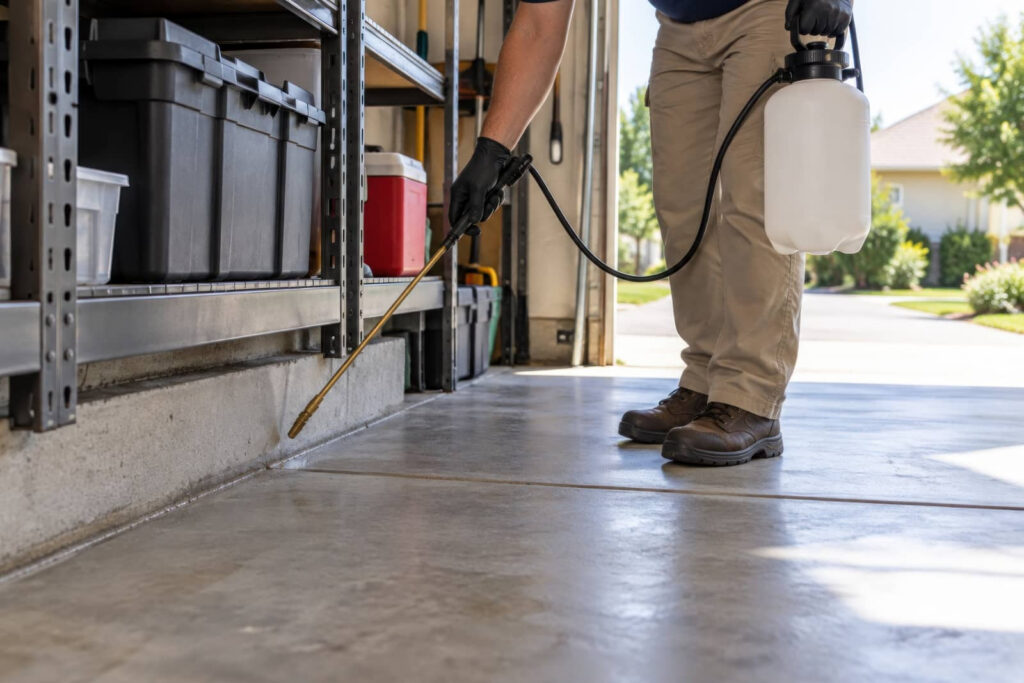
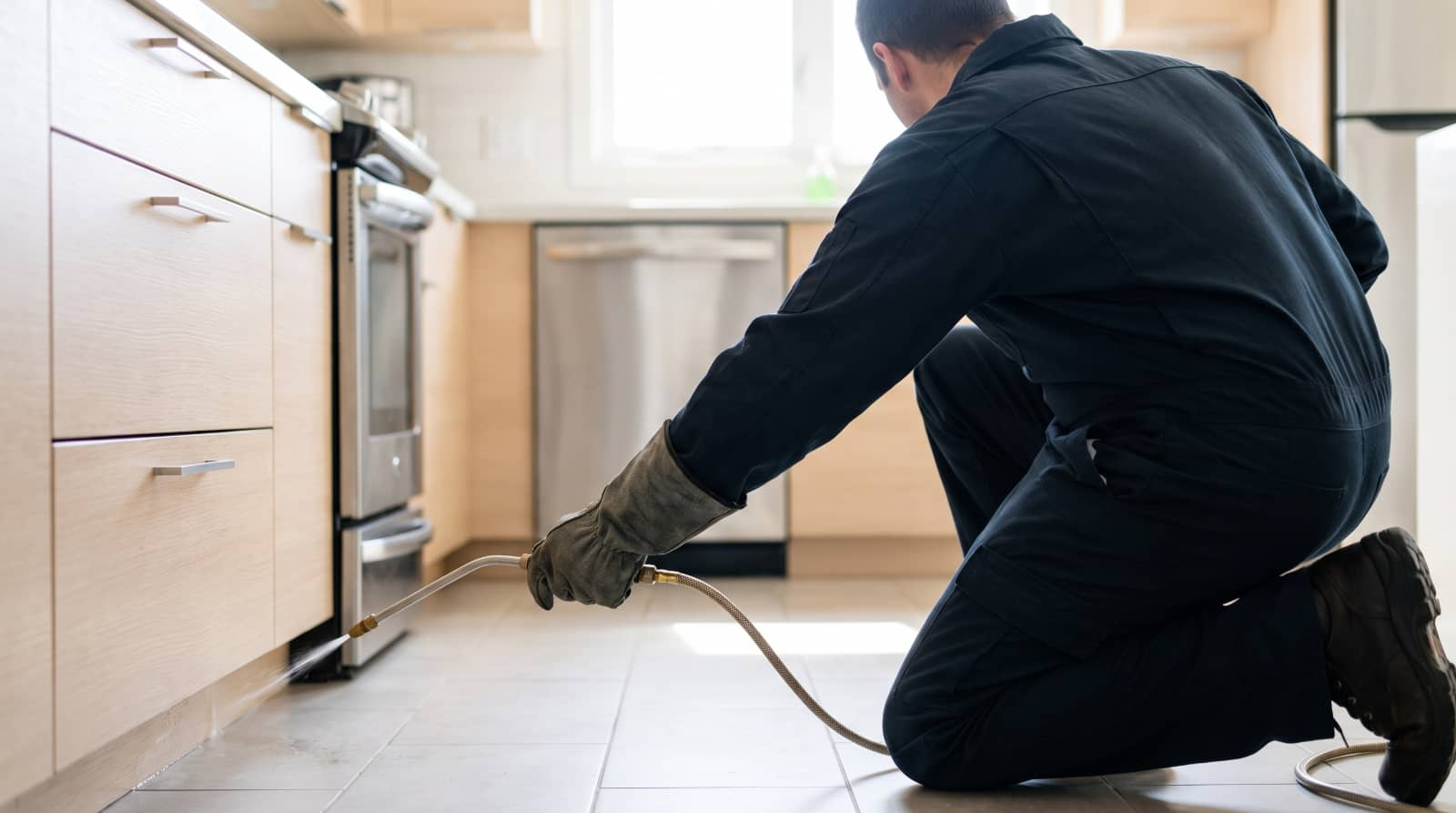
Floodwater often drives pests like rodents, cockroaches, ants, and mosquitoes into homes, and pest control stops them by removing food sources, sealing entry points, and treating affected areas before the infestation spreads. Licensed flood cleanup pest experts follow safety rules for chemicals and contaminated water.
You get targeted inspections that track pest behavior, so technicians can spot nesting paths, feeding sites, and high-risk gaps fast. They apply baits, traps, and residual treatments where pests travel, cutting off movement and reproduction.
This approach supports flood prevention by reducing the conditions that let pests settle after cleanup. You also gain a practical plan that fits your property, protects shared living spaces, and helps your household feel secure again.
With precise control measures, you don’t just react to pests—you interrupt their return and keep recovery on track.
Why Moisture Control Prevents Infestations
Moisture control prevents infestations by removing the damp conditions pests need to breed, feed, and hide. You reduce risk when you treat moisture management as a core part of your routine, not a cleanup afterthought. Flood cleanup pest experts can also recommend steps to prevent future infestations.
Dry surfaces, sealed gaps, and balanced indoor humidity help you protect your space and keep your household in sync with practical prevention strategies.
- Check for hidden leaks under sinks and behind appliances.
- Ventilate bathrooms, kitchens, and laundry areas well.
- Remove standing water from floors, basements, and crawl spaces.
- Repair damaged seals, gutters, and drainage paths quickly.
When you stay consistent, you make your environment less inviting to insects and rodents, and you support a safer, healthier place where everyone can feel at ease.
When to Call Flood Cleanup Pros
Even with solid moisture control, some flood events are too large or too contaminated for a standard cleanup. You should call flood cleanup pros when water has reached wall cavities, insulation, or HVAC ducts, or when sewage, chemicals, or standing water linger more than 24 hours. Local flood cleanup pest experts understand the pests common in your area.
These conditions drive microbial growth and create pest entry points. Pros use flood recovery strategies that remove contaminated materials, dry structural assemblies, and verify safe humidity levels.
They also support pest prevention tips by sealing access routes and treating vulnerable zones before insects and rodents move in. If you smell musty odors, see warped finishes, or notice repeat pest activity after drying, you’re past basic cleanup.
Getting help early protects your home and helps your household recover together, with less guesswork.
How to Choose Local Pest Experts
Start by verifying that the local pest expert understands post-flood conditions, not just routine infestations. You need a provider who can inspect moisture pockets, identify breeding sites, and document structural risks before treatment starts.
Check expert qualifications, including licensing, flood remediation training, and experience with sanitation protocols. Ask how they coordinate with your cleanup crew so you stay protected and informed.
- Confirm they use moisture meters and targeted traps.
- Ask for a written treatment plan with timelines.
- Review their safety controls for chemicals and debris.
- Choose a team that communicates clearly and treats you like a neighbor.
When you compare local pest options this way, you join a community of homeowners who act fast, reduce damage, and restore safe living conditions with confidence.
Frequently Asked Questions
How Soon Should Pests Be Checked After Floodwater Recedes?
Check pests immediately after floodwater recedes, ideally within 24 hours. In the flood aftermath, pest behavior shifts fast, and you’ll protect your home better if you inspect early, document signs, and schedule treatment promptly.
Are Flood-Damaged Belongings Safe From Hidden Pest Eggs?
No, not always; you can’t assume flood-damaged belongings are clean. Hidden infestations often nest in flood debris, so you should inspect, isolate, and treat items promptly. You’ll protect your space and keep your crew secure.
Can Pests Spread Mold After a Flood Cleanup?
Yes, pests can spread mold after cleanup by carrying spores on their bodies and in nests. You’ll need precise pest identification and monitoring of mold types, because moisture, droppings, and damaged materials let contamination keep growing.
Do Insurance Claims Cover Flood-Related Pest Control Services?
Usually, your flood insurance won’t cover pest control, but 1 in 5 claims may include related cleanup if you’ve got pest coverage. You should review exclusions, document damage, and ask your adjuster fast.
Should Outdoor Pest Treatments Be Done Before Repairs Begin?
Yes, you should schedule outdoor pest treatments before repairs start, because proper outdoor treatment timing protects exposed structures. You’ll improve pest prevention strategies, reduce reinfestation risk, and keep your cleanup team aligned on-site.
Summary
When floodwater recedes, you may think the danger is over—but it isn’t. Hidden moisture, damaged materials, and roof leaks can keep attracting pests long after the cleanup ends. If you wait, small problems can become active infestations fast. That’s why you should bring in flood cleanup pest experts early. They inspect, treat, and control moisture before pests spread. Your home can recover safely, but only if you stop what you can’t yet see.
Flood cleanup pest experts give you a faster, safer path back to a clean, pest-free home. For more helpful guidance, read our post on how to handle flood cleanup and repair.