Contents
If a storm leaves water in your basement and soaks the drywall, you need to act fast. You’ll want flood cleanup and repair because it removes moisture, limits mold growth, and helps protect your structure from hidden damage. Professional crews can inspect affected areas, dry materials thoroughly, and spot roof or framing issues you might miss. The right response now can prevent bigger repairs later, but there’s more to take into account.
Key Takeaways
- Flood cleanup and repair quickly removes standing water to reduce structural damage and mold growth.
- It includes thorough drying and disinfecting to restore safe, clean conditions.
- Experts detect hidden moisture in walls, floors, and insulation before serious problems spread.
- Prompt cleanup helps protect your roof, framing, and other vulnerable building materials.
- Professional service speeds recovery and supports insurance claims with proper documentation.
What Flood Cleanup and Repair Includes
Flood cleanup and repair includes removing standing water, drying affected materials, cleaning and disinfecting contaminated surfaces, and evaluating what can be salvaged or must be replaced.
You’ll also get a detailed flood assessment that identifies hidden moisture, structural concerns, and contamination risks before they spread.
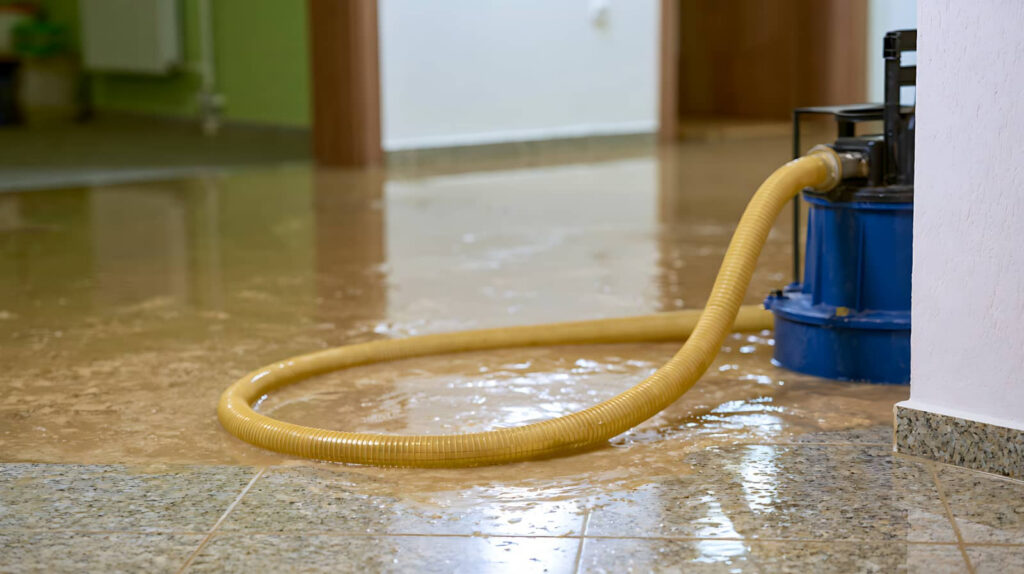
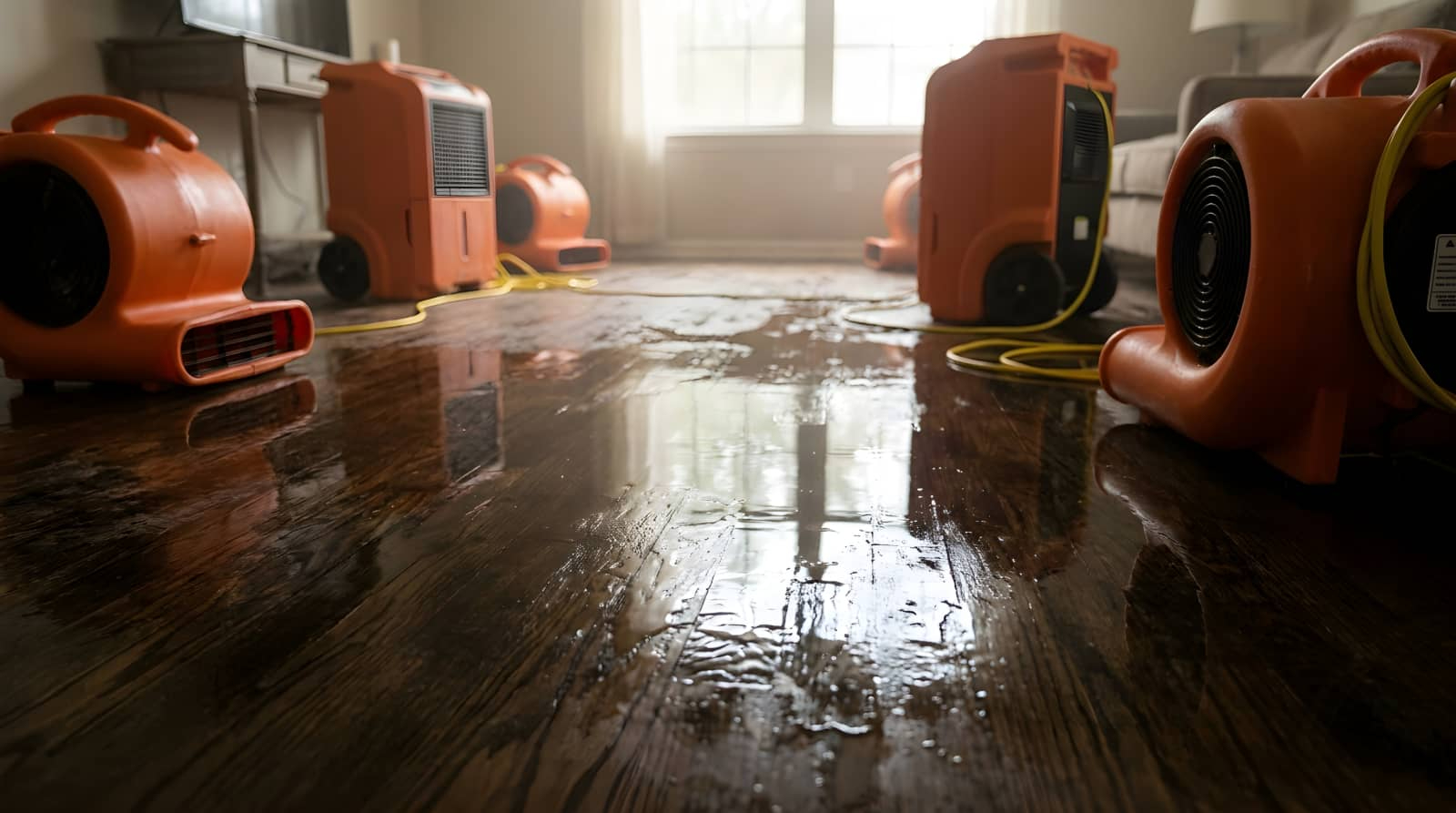
Technicians use water extraction equipment to pull moisture from carpets, subfloors, and cavities, then monitor humidity and material temperatures to confirm safe drying.
You’re not handling this alone; each step follows a clear technical plan that protects your space and supports your recovery.
Proper cleanup reduces mold growth, corrosion, and long-term damage while helping your home or business return to a stable condition.
When you understand the process, you can feel more confident, informed, and included throughout the repair process.
What to Do Right After a Flood
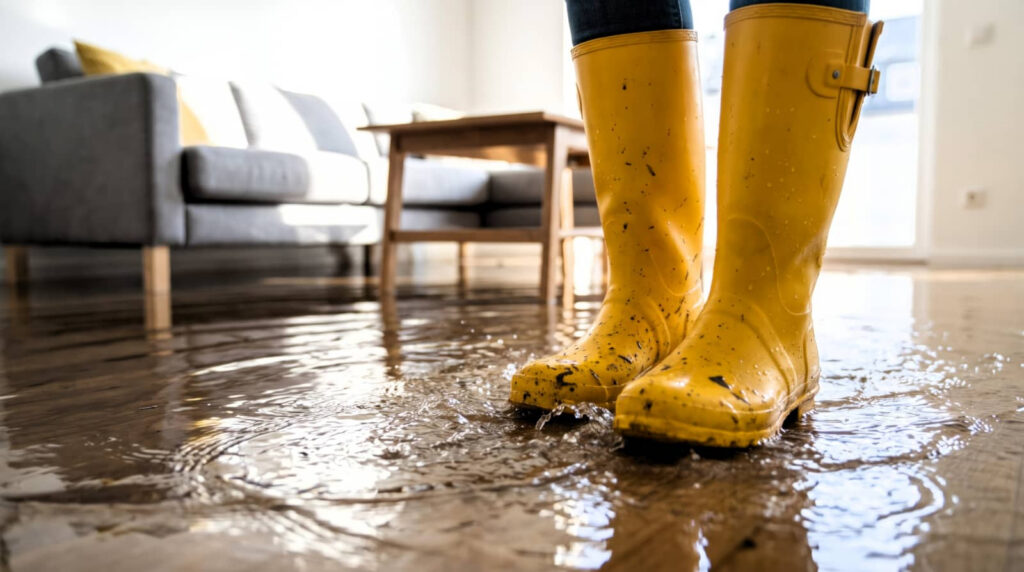
As soon as you can safely return, shut off the water source if it’s still active. Cut power to flooded areas only if you can do so without risk, and avoid walking through standing water until you know it’s electrically safe.
Then document the scene with photos and notes for insurance claims. Collect your emergency supplies, including clean water, flashlights, gloves, and a first aid kit, so you can stay organized and calm.
Ventilate the space if windows can open safely, and remove valuable items from damp areas. Contact your insurer and local restoration team promptly, because quick reporting helps your recovery plan move faster.
You’re not facing this alone; taking these steps protects your household and gives your community support network clear information to help you move forward.
How Flood Cleanup Protects Your Home
Once the immediate danger passes, thorough flood cleanup helps prevent structural damage, mold growth, and long-term contamination in your home. You protect your walls, floors, and framing when you remove standing water fast and dry materials completely. This supports structural integrity by limiting warping, swelling, and weakening in hidden spaces.
Careful cleaning also removes silt, sewage residue, and other contaminants that can linger after water recedes. With proper drying and sanitation, you improve mold prevention and reduce the chance of musty odors and respiratory irritants.
You don’t just restore surfaces; you help your home return to a safe, stable condition. That kind of focused cleanup gives you confidence, because your space can feel secure again and ready for daily life.
When to Call Flood Damage Experts
If water has soaked into drywall, insulation, subfloors, or electrical systems, it’s time to call flood damage experts. You may see surface drying, but hidden moisture can keep spreading, weaken framing, and invite contamination.
Expert teams use meters, thermal imaging, and controlled drying to find what you can’t see and stop further flood damage. When you notice a musty smell, warped materials, staining, or rising humidity, reach out right away.
You’ll get expert advice on safe cleanup, salvageable materials, and the right restoration steps for your home. Acting fast helps you protect your space, your routine, and the people who belong there with you.
You don’t have to manage it alone; skilled help brings order, confidence, and a clear path forward.
Why Roof Repairs Matter After Flood Damage
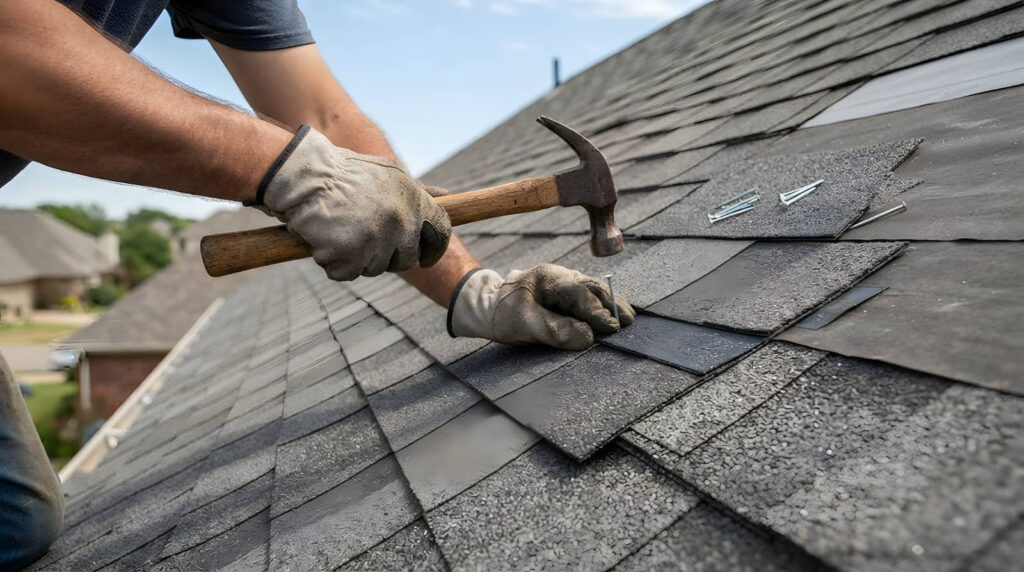
Roof repairs matter after flood damage because water can compromise shingles, flashing, underlayment, and the roof deck, allowing leaks to continue long after the floodwaters recede.
You need prompt inspection to protect roof integrity and stop hidden moisture from spreading into insulation, ceilings, and walls.
When you pair roof repairs with thorough water removal, you reduce mold risk, structural weakening, and costly secondary damage.
A skilled team checks for warped materials, loose fasteners, and saturated decking, then seals every vulnerable area.
You’re not dealing with this alone; reliable restoration professionals help you restore safety, comfort, and confidence.
Acting fast keeps your home’s envelope tight, so your space can dry properly and stay secure through the next storm.
Frequently Asked Questions
How Long Does Flood Cleanup Usually Take?
It usually takes one to seven days, depending on flood duration factors and cleanup process steps. You’ll dry materials, remove debris, sanitize surfaces, and inspect damage. With quick action, you’ll restore comfort and safety faster.
Will My Insurance Cover Flood Cleanup Costs?
Maybe—your flood insurance policies may cover cleanup costs, but coverage limitations often apply. You’ll need to review your policy, document damage quickly, and contact your insurer so you can confirm exactly what’s reimbursable.
Can I Stay in My Home During Repairs?
You can stay home during repairs only if safety measures keep you protected; otherwise, you’ll need temporary housing. Damaged wiring, mold, and structural instability can make staying unsafe, so follow your contractor’s guidance.
How Much Does Professional Flood Repair Cost?
Professional flood repair often runs $3,000–$30,000; most basements will flood eventually. Your cost factors include water depth, materials, and mold risk. You’ll get repair estimates after inspection, so you’re not guessing.
What Hidden Damage Can Floods Cause?
Floods can hide water damage inside walls, weaken structural integrity, spark mold growth, create electrical hazards, and raise health risks. You’ll often face hidden costs later, so you’ll want thorough inspection and cleanup.
Final Thoughts
When floodwater hits, your home can feel like a house of cards, ready to collapse without fast action. You should start cleanup right away, remove moisture, and inspect hidden damage to stop mold and structural decay. If water has reached walls, floors, or the roof, call flood damage experts for thorough repair. With the right response, you protect your home, reduce health risks, and restore a safe, stable living space.