Contents
You might not realize that water can keep damaging your home long after the surface looks dry. When you bring in water damage restoration experts, you get fast extraction, moisture detection, and controlled drying that help limit mold, rot, and hidden structural issues. They also know how to trace the source, whether it’s a flood or a roof leak, and that can make a major difference in your repair costs and next steps.
Key Takeaways
- Experts quickly assess hidden moisture, preventing structural damage, mold growth, and electrical hazards.
- They use advanced extraction, drying, and dehumidification equipment for efficient, thorough restoration.
- Professionals handle water removal, sanitization, mold remediation, and structural repairs in one coordinated service.
- Rapid 24/7 response minimizes damage, reduces costs, and speeds safe reentry.
- Clear communication, insurance guidance, and reliable guarantees provide confidence throughout the restoration process.
When Water Damage Needs Professional Help
When water damage spreads beyond a small, visible area, you’ll likely need professional help to prevent hidden moisture from causing structural damage, mold growth, or electrical hazards.
You can still take homeowner precautions by shutting off nearby water, documenting damage, and moving valuables to a dry space.
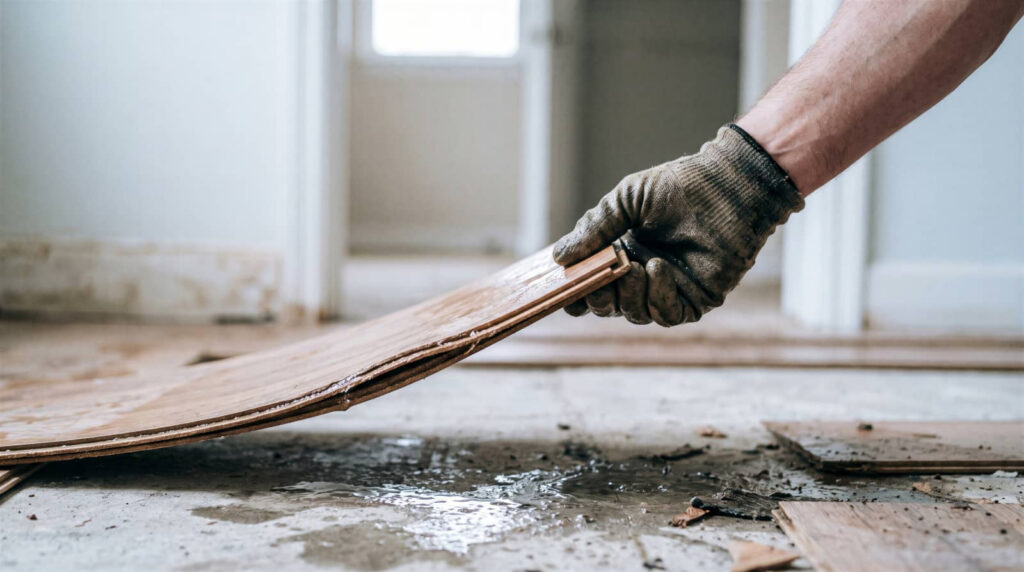
Watch for early signs like musty odors, warped flooring, peeling paint, or damp drywall, since these often mean water’s traveled farther than you can see.
If the area keeps getting soggy, stains return, or walls feel cool and soft, you’re dealing with more than a surface problem.
A restoration team can assess moisture paths, protect your home’s structure, and help you regain control with confidence.
What Flood Cleanup Services Include
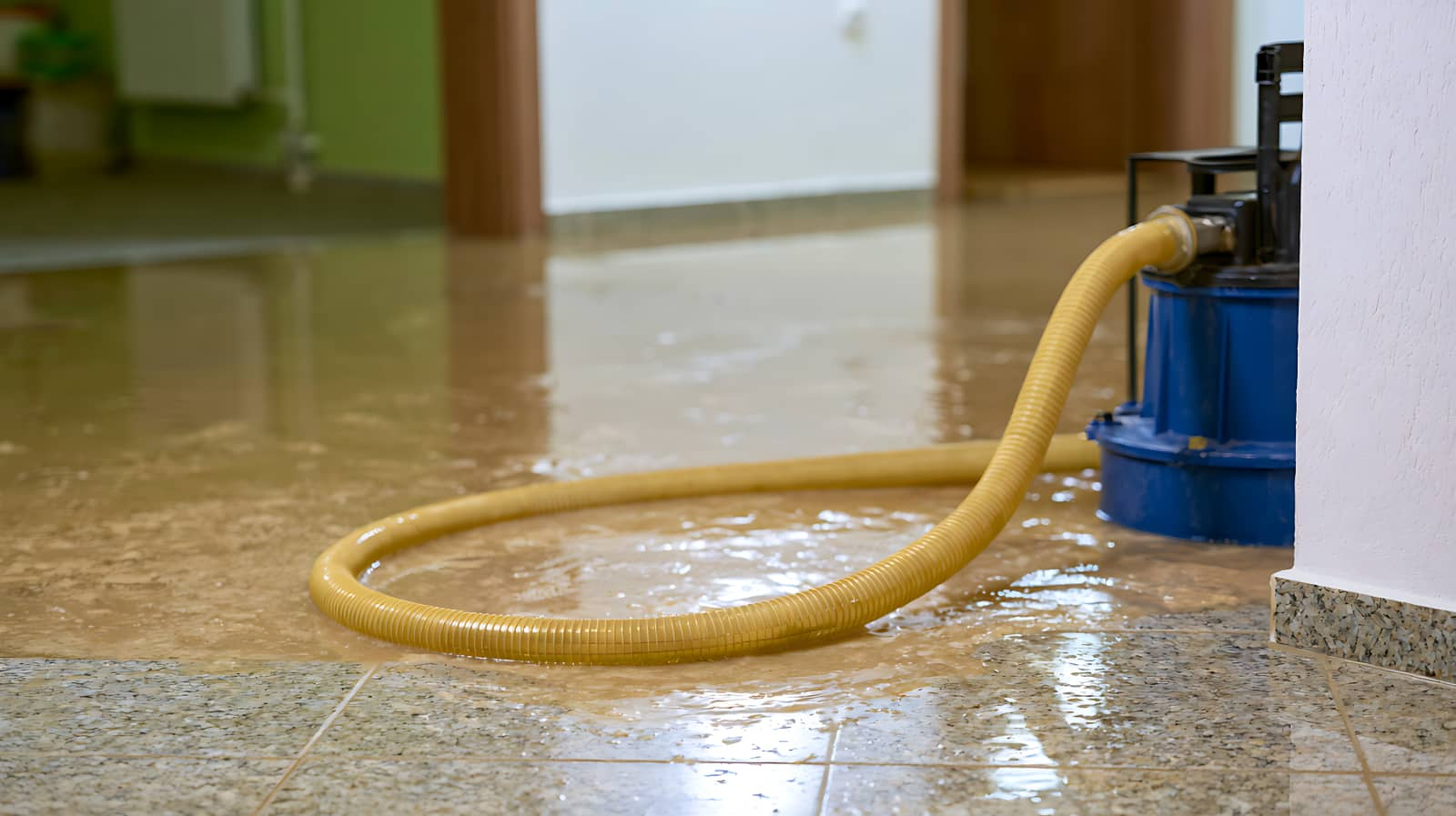
Flood cleanup services start with water extraction methods that remove standing water quickly and reduce further damage.
Next, technicians use structural drying steps, including air movement and dehumidification, to lower hidden moisture in walls, floors, and contents.
They also sanitize affected areas to help control contamination and make your space safe for use again.
Water Extraction Methods
Even after a burst pipe or storm surge, fast water extraction can stop damage from spreading and make the rest of cleanup more effective.
You’ll see trained crews use water extraction techniques matched to your space, surfaces, and contamination level. Their emergency response starts with mapping standing water, then they deploy truck-mounted vacuums, portable extractors, and weighted tools to remove moisture from carpets and padding. They also use squeegees and mops for tight corners.
- Removes pooled water quickly
- Protects flooring and baseboards
- Limits microbial growth
- Prepares your home for drying
Structural Drying Steps
Once standing water is removed, crews shift to structural drying to pull moisture out of framing, subfloors, drywall, and insulation before hidden damage can spread.
You’ll see a methodical process: technicians confirm water extraction is complete, then use moisture detection tools to map what’s still wet.
They open cavities, set air movers for surface evaporation, and place dehumidifiers to remove vapor from the air.
You stay informed because they track readings until materials return to safe levels.
This step matters because wet wood swells, drywall softens, and trapped moisture can weaken your structure.
With the right drying plan, you’re not left guessing; you’re part of a team working to stabilize your space and get it ready for the next phase.
Sanitizing Affected Areas
After the structure is dried, crews can begin sanitizing the affected areas to reduce health risks and stop contamination from spreading.
You’ll see trained technicians apply sanitization techniques that target bacteria, mold spores, and residue left behind by floodwater. They clean surfaces, treat porous materials, and use effective disinfectants matched to the contamination level.
This step helps your home feel safe again and supports a healthier recovery for everyone inside.
- Remove visible debris and sludge
- Wash hard surfaces with approved cleaners
- Disinfect high-touch areas and hidden corners
- Verify safe conditions before reentry
You’re not dealing with this alone; your restoration team works methodically so your space is clean, compliant, and ready for the next phase of repair.
How Experts Prevent Mold and Structural Damage
You’ll limit mold growth and structural harm by removing moisture fast, because standing water soaks into building materials and speeds contamination.
Experts use targeted extraction, dehumidifiers, air movers, and controlled ventilation to dry walls, floors, and framing before damage spreads.
They also monitor moisture levels throughout the process so you can trust the structure’s safe, complete drying.
Rapid Moisture Removal
Rapid moisture removal starts immediately, because standing water and trapped humidity can quickly fuel mold growth and weaken building materials. You get a fast emergency response, and technicians use moisture detection tools to map hidden dampness in walls, floors, and cabinetry. That lets you act before damage spreads and your space feels unsafe.
- Remove pooled water before it seeps deeper
- Track humidity levels to spot lingering risk
- Protect finishes, insulation, and electrical components
- Restore a healthier environment for your household
When you choose experts, you’re not managing this alone; you’re joining a team that understands urgency and precision. They work to stop microbial growth, limit corrosion, and reduce the chance of costly repairs, so your property can recover with confidence.
Structural Drying Techniques
Once the bulk water is gone, experts shift to structural drying techniques that pull moisture out of framing, subfloors, drywall, and other building materials before mold can take hold.
You’ll see air movers, controlled heat, and targeted dehumidification methods working together to speed evaporation and capture vapor.
Teams use moisture mapping to find hidden wet zones behind walls, under floors, and inside cavities, so they can dry the right areas instead of guessing.
This protects your structure from swelling, warping, and rot, while also lowering the chance of lingering odors and microbial growth.
With calibrated equipment and daily readings, you stay informed and your space dries safely, efficiently, and as a team focused on your home’s recovery.
How Roof Leaks Lead to Water Damage
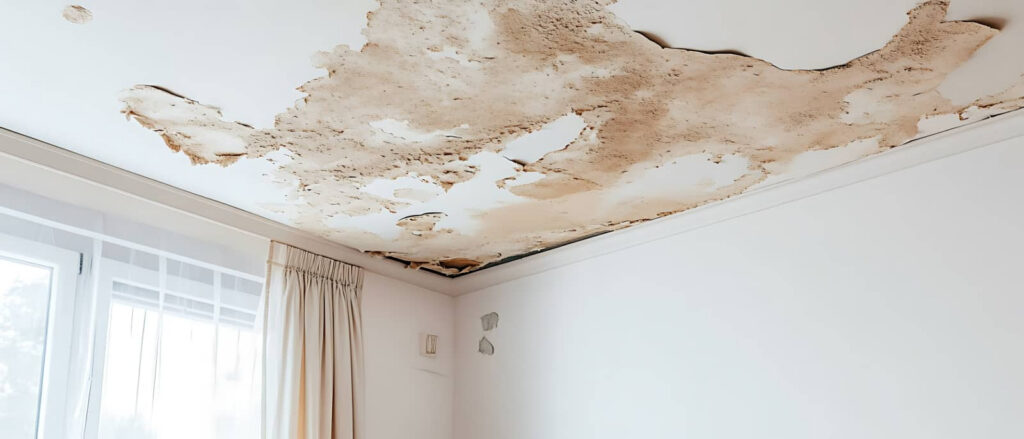
A roof leak can quickly turn a small breach into widespread water damage as moisture travels from the roof deck into insulation, ceiling cavities, and wall framing.
You can protect your home by treating roof maintenance and leak detection as routine care, not emergencies. When water enters, it follows gravity, capillary action, and air pathways, so stains often appear far from the source.
- Check flashing around vents and chimneys.
- Inspect shingles for lifting or missing sections.
- Watch for attic dampness, rust, or odors.
- Schedule repairs after storms.
Why Fast Restoration Lowers Repair Costs
When you address water damage quickly, you limit how far moisture can spread and reduce the number of materials that need removal or replacement.
You also protect framing, insulation, and finishes before they absorb more water and drive up labor time. A fast response keeps drying equipment focused on smaller affected areas, which lowers energy use and shortens the project.
In your cost analysis, that means fewer demolition hours, less material waste, and a lower risk of secondary issues like mold.
You can also use the experience to improve preventative maintenance, so minor leaks get fixed before they become expensive losses.
How to Choose a Water Damage Restoration Company
Choosing the right water damage restoration company starts with verifying that the team can respond quickly, document the damage accurately, and manage drying, cleanup, and repairs from start to finish.
You should confirm licensing, insurance, and IICRC training, then compare customer reviews for patterns in communication, punctuality, and results.
Ask for written scopes, moisture readings, and service guarantees so you know what’s included. Reliable crews use calibrated meters, industrial air movers, dehumidifiers, and containment to control spread and protect your space.
- 24/7 emergency dispatch
- Clear estimates and timelines
- Direct insurance coordination
- Proven sanitation and mold prevention
When you choose a company that respects your home and keeps you informed, you’re not just hiring help—you’re joining a team that’ll restore comfort with confidence.
Frequently Asked Questions
How Long Does Water Damage Restoration Usually Take?
You’re usually looking at 3 to 7 days for drying, but full water damage restoration can take 1 to 3 weeks, depending on damage severity, materials, and your restoration process and water damage timeline.
Can I Stay in My Home During Restoration?
Yes, you can sometimes stay, but only if safety precautions allow it. You’ll need to watch for hidden hazards, moisture, and health concerns. Our team checks risks, guides you, and helps you feel secure throughout restoration.
Does Insurance Cover Professional Water Damage Restoration?
Yes, your insurance policies may cover professional water damage restoration if the loss is sudden and accidental. You should review exclusions, document damage, and contact your insurer fast to reduce restoration costs and speed approval.
What Should I Do Before the Restoration Team Arrives?
Before the restoration team arrives, you should shut off electricity, move valuables, and document damage. Remember, 1 inch of water can damage 2,500 square feet. Follow preparation tips and safety precautions to stay protected and supported.
Are Restoration Companies Available for Emergency Service?
Yes—many restoration companies offer 24/7 emergency response, so you can call anytime. You’ll get fast help, advanced restoration equipment, and practical guidance to protect your property while you wait for the team.
Recap
When water hits your home, you need experts who can move fast and work with precision. They’ll extract the water, dry hidden spaces, and stop mold before it spreads like wildfire. From roof leaks to flood cleanup, they guide you through each step with clear communication and steady support. By acting quickly, you protect your structure, reduce repair costs, and restore peace of mind before the damage sinks in deeper.