Contents
Flood cleanup can feel like a never-ending nightmare, but it doesn’t have to be. You need to act quickly and strategically to minimize damage and ensure safety. From evaluating the situation to choosing the right tools, each step matters. Understanding when to tackle the job yourself and when to call in professionals can make all the difference. Let’s explore some essential tips to guide you through this challenging process.
Key Takeaways
- Ensure safety first by turning off electricity, wearing protective gear, and assessing structural stability before starting cleanup.
- Remove standing water promptly using pumps or buckets, and document damage for insurance claims.
- Dry affected areas thoroughly by opening windows, using fans, and removing soaked materials like carpets and drywall.
- Monitor for mold growth and use dehumidifiers to keep moisture levels low while cleaning surfaces with mold-inhibiting solutions.
- Call professionals if damage is extensive, mold is present, or if you lack the tools and expertise for effective cleanup.
Essential First Steps for Effective Flood Cleanup
When floodwaters recede, the urgency to act quickly can’t be overstated. To minimize water damage, start by prioritizing safety precautions.
Before entering your property, verify the electricity is turned off to avoid electrocution. Wear protective gear, like boots and gloves, to shield yourself from contaminants.
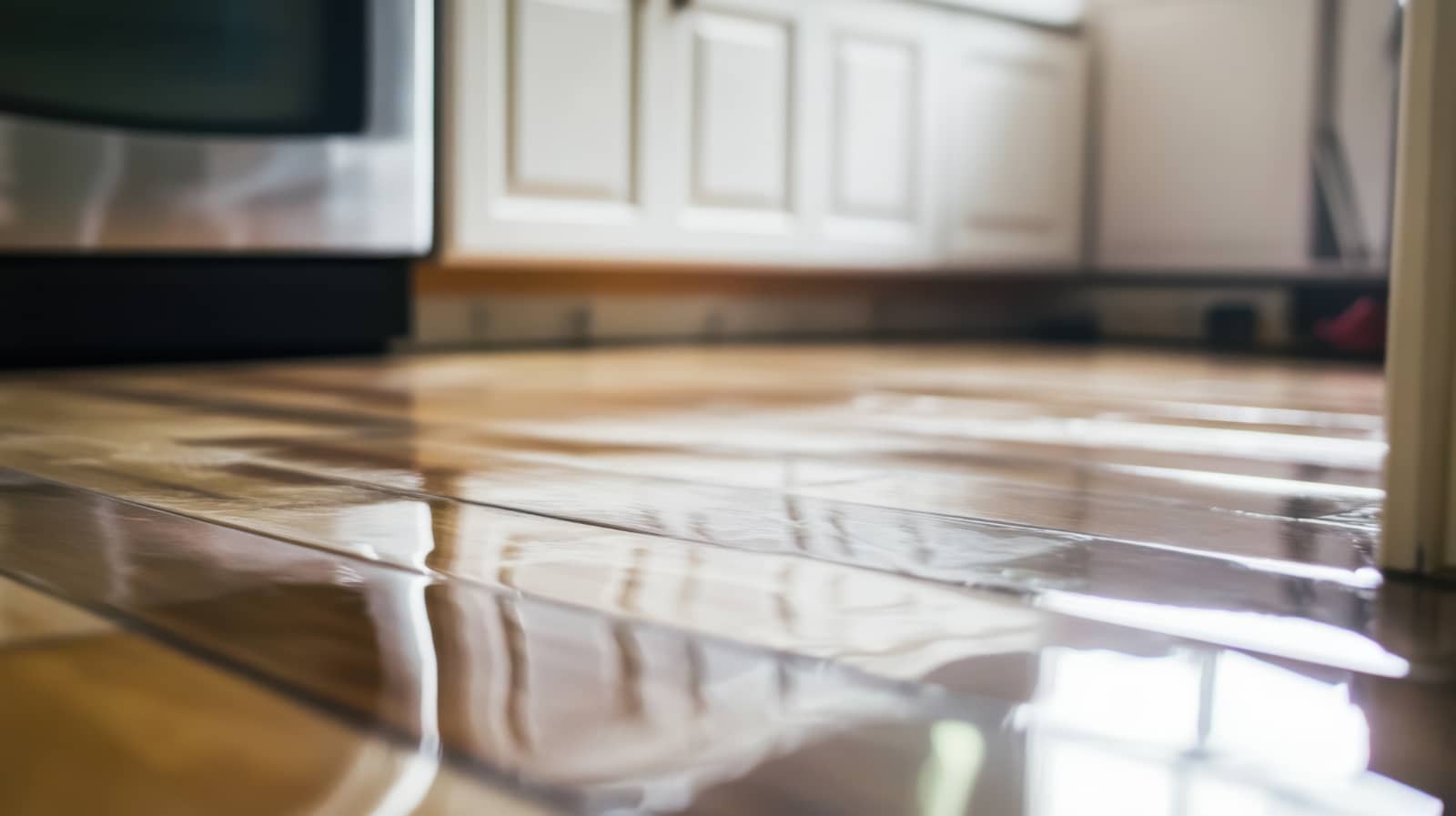
Once it’s safe, begin removing standing water with pumps or buckets. Document the damage for insurance purposes, taking photos as you go.
Next, focus on drying out affected areas; open windows and use fans to promote airflow. Remove any soaked materials, like carpets or drywall, to prevent mold growth.
When to Call in Professionals for Flood Cleanup?
After addressing immediate safety and cleanup needs, you might find that some situations require professional help.
Flood damage can be overwhelming, and knowing when to call in professional services is essential for your well-being and peace of mind.
Consider reaching out if:
- You’re unsure how to assess the extent of the damage.
- Mold or mildew appears within 24-48 hours.
- The affected area is extensive or includes structural elements.
- You lack the necessary tools or expertise to handle the cleanup.
- Emotional stress makes it hard to proceed on your own.
Selecting Tools for Efficient Flood Repairs
Selecting the right tools for flood repairs can greatly streamline your cleanup process and improve outcomes. Start by identifying the essential tool types you’ll need, such as water pumps, wet vacuums, and dehumidifiers.
These repair essentials will help you remove water efficiently and dry out affected areas quickly. Don’t overlook safety gear, like gloves and masks, to protect yourself from contaminants.
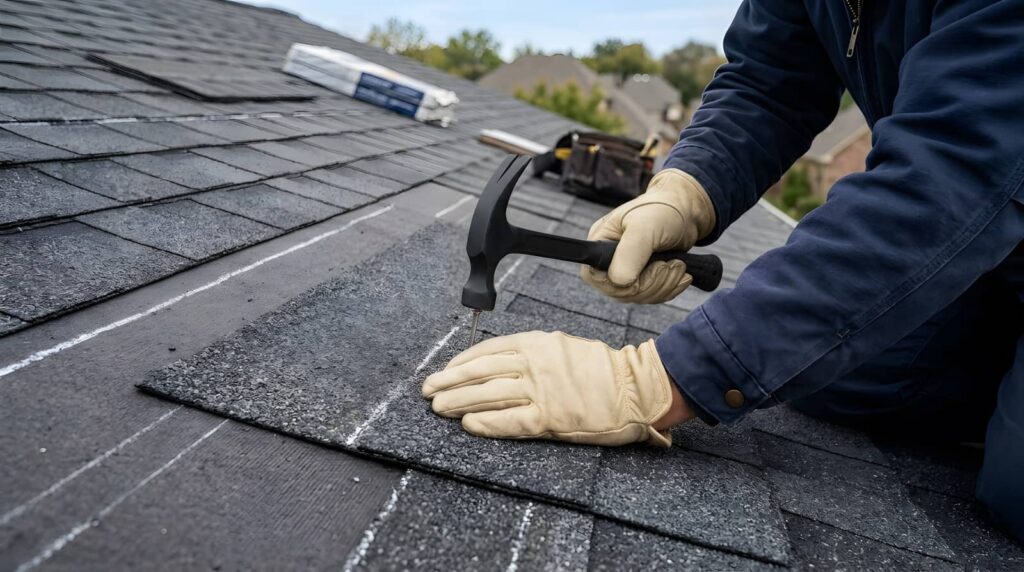
Consider investing in moisture meters to ensure your space is thoroughly dried before repairs begin. A good set of hand tools, including hammers and screwdrivers, will also be invaluable for fixing structural damage.
Frequently Asked Questions
How Can I Prevent Mold Growth After a Flood?
To prevent mold growth after a flood, focus on mold prevention through effective humidity control. Keep indoor humidity below 60%, use dehumidifiers, and ensure proper ventilation to create a healthier, safer environment for everyone.
What Personal Protective Equipment Should I Wear During Cleanup?
How can you ensure your safety during cleanup? Wear safety gear like gloves, masks, and boots—these are cleanup essentials. Protecting yourself keeps you safe and fosters a sense of community responsibility.
How Do I Safely Dispose of Flood-Damaged Items?
To safely dispose of flood debris, use local disposal methods like curbside pickup for large items and designated drop-off sites. Always check regulations to confirm proper handling and keep your community safe and clean.
What Insurance Coverage Is Available for Flood Damage?
Flood insurance offers various coverage options, including structural damage and personal belongings. You should review your policy to ensure it meets your needs, helping you recover and rebuild after a devastating flood event.
How Can I Assess Structural Damage After Flooding?
Think of your home as a fragile ship after a storm. Start your damage assessment by checking for structural cracks, and always prioritize safety precautions—wear protective gear and ensure stability before entering any affected areas.
Review
While you might think you can handle flood cleanup alone, the risks of improper handling—especially with mold—can lead to greater issues down the line. Prioritizing safety and taking swift action is vital. By following the essential steps we discussed and knowing when to call in professionals, you can ensure a thorough and effective recovery. Remember, it’s not just about cleaning up; it’s about safeguarding your home and well-being for the future.